


Archives
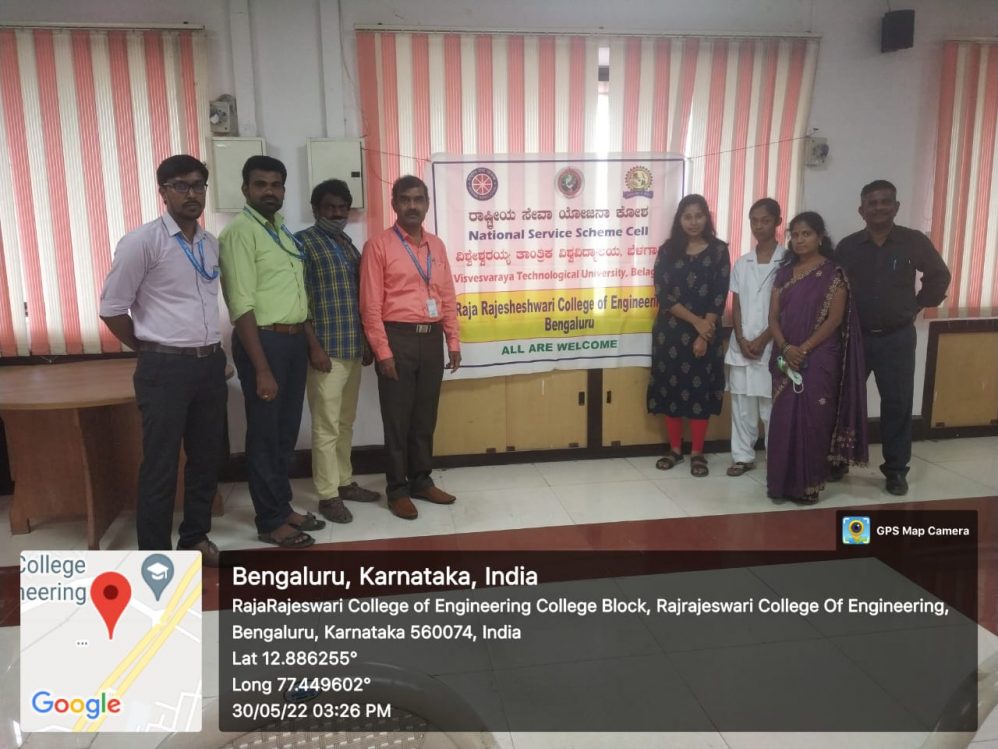
NSS Unit organized COVID-19 Vaccination Drive
RRCE NSS Unit organized COVID-19 Vaccination Drive in the #RRCE Campus on 30.05.2022. #RRCE students and Faculty members eligible for 2nd and 3rd Booster Dose Vaccination utilized the services.


World Milk Day
Industrial Visit: Shivanasamudra Solar Power Plant, Mandya
IV Year Students and Faculty of the Department of Electrical & Electronics Engineering (#EEE) visited Shivanasamudra Solar Power Plant, Mandya on 20-05-2022


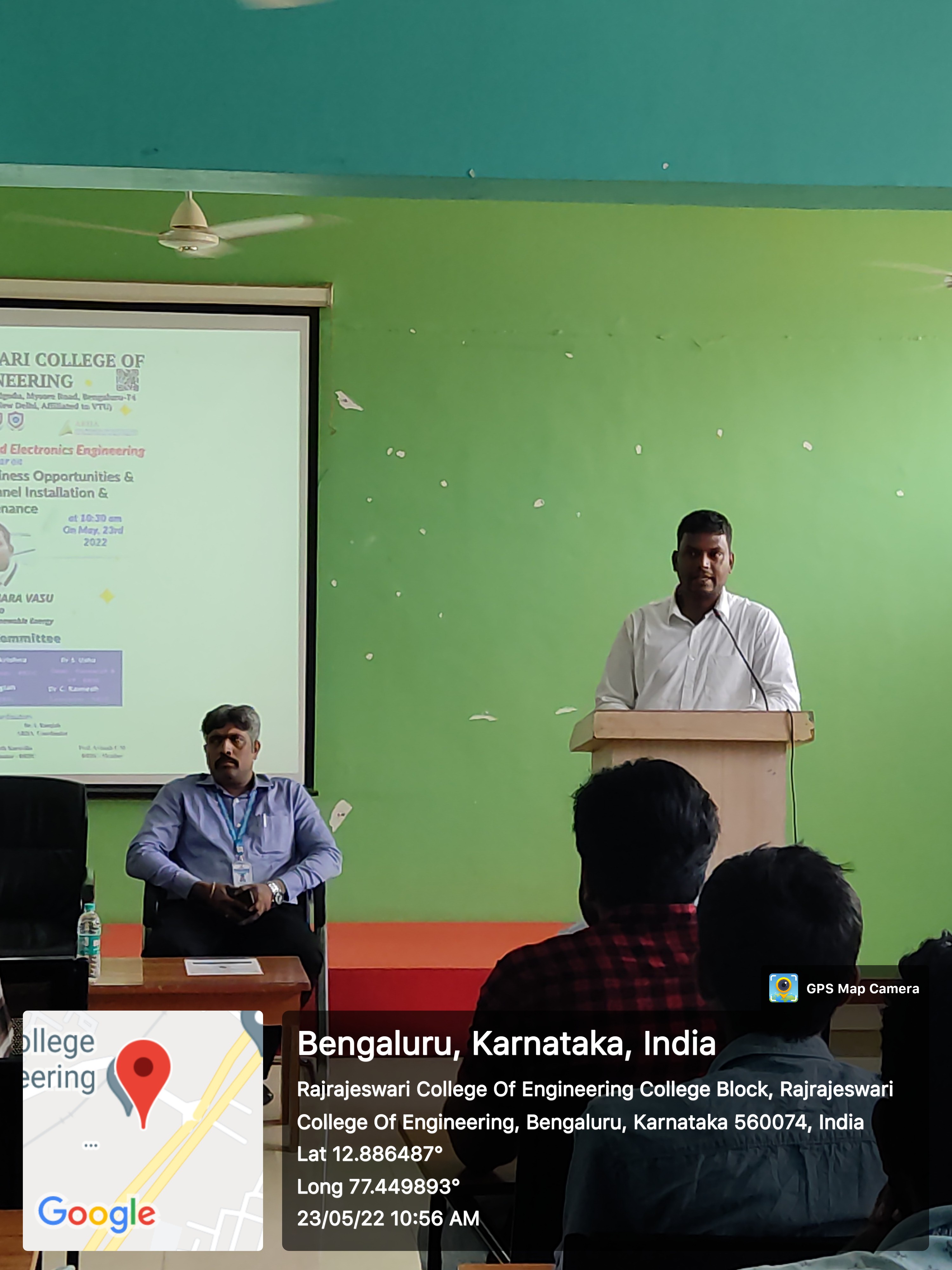
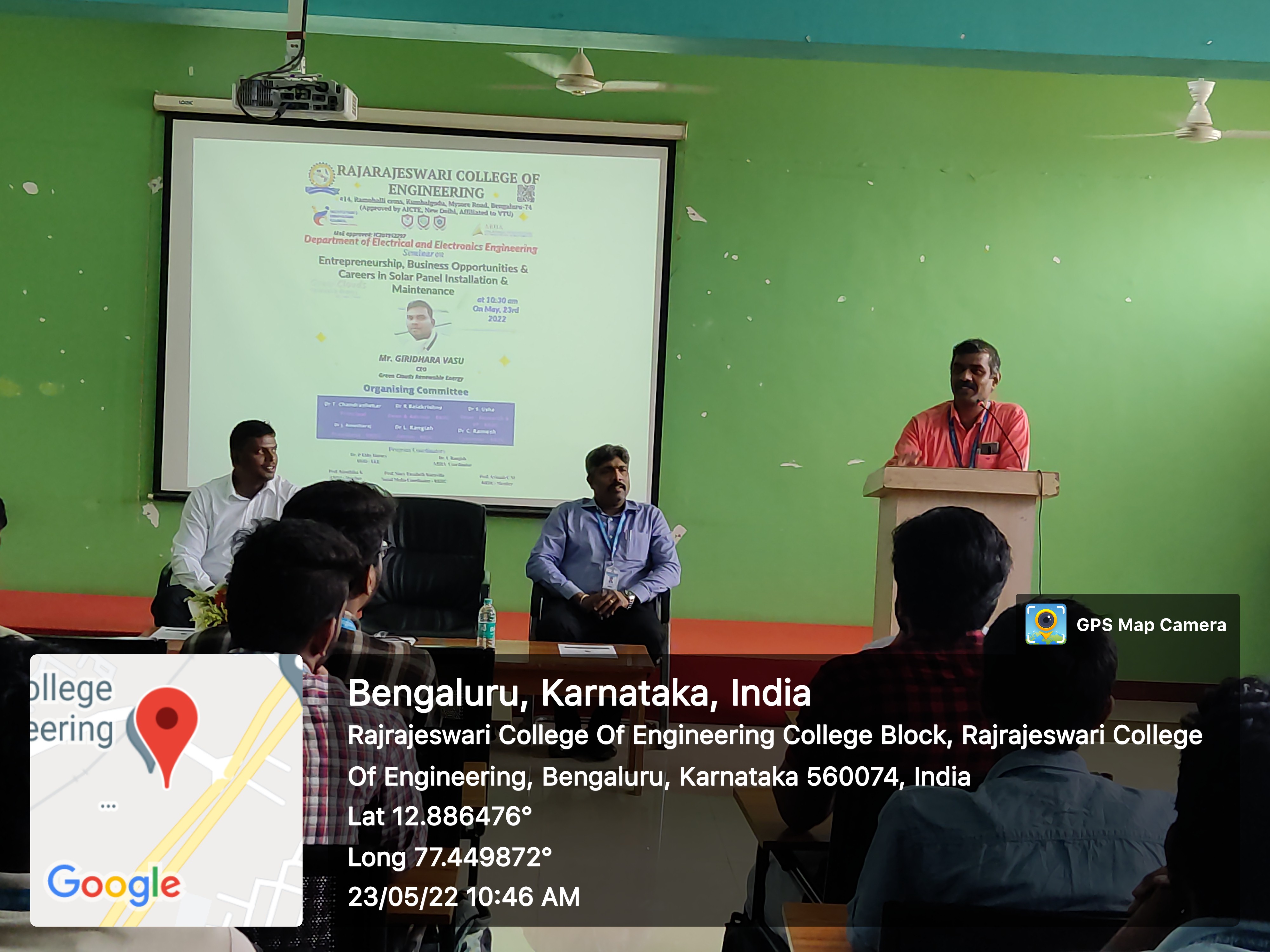
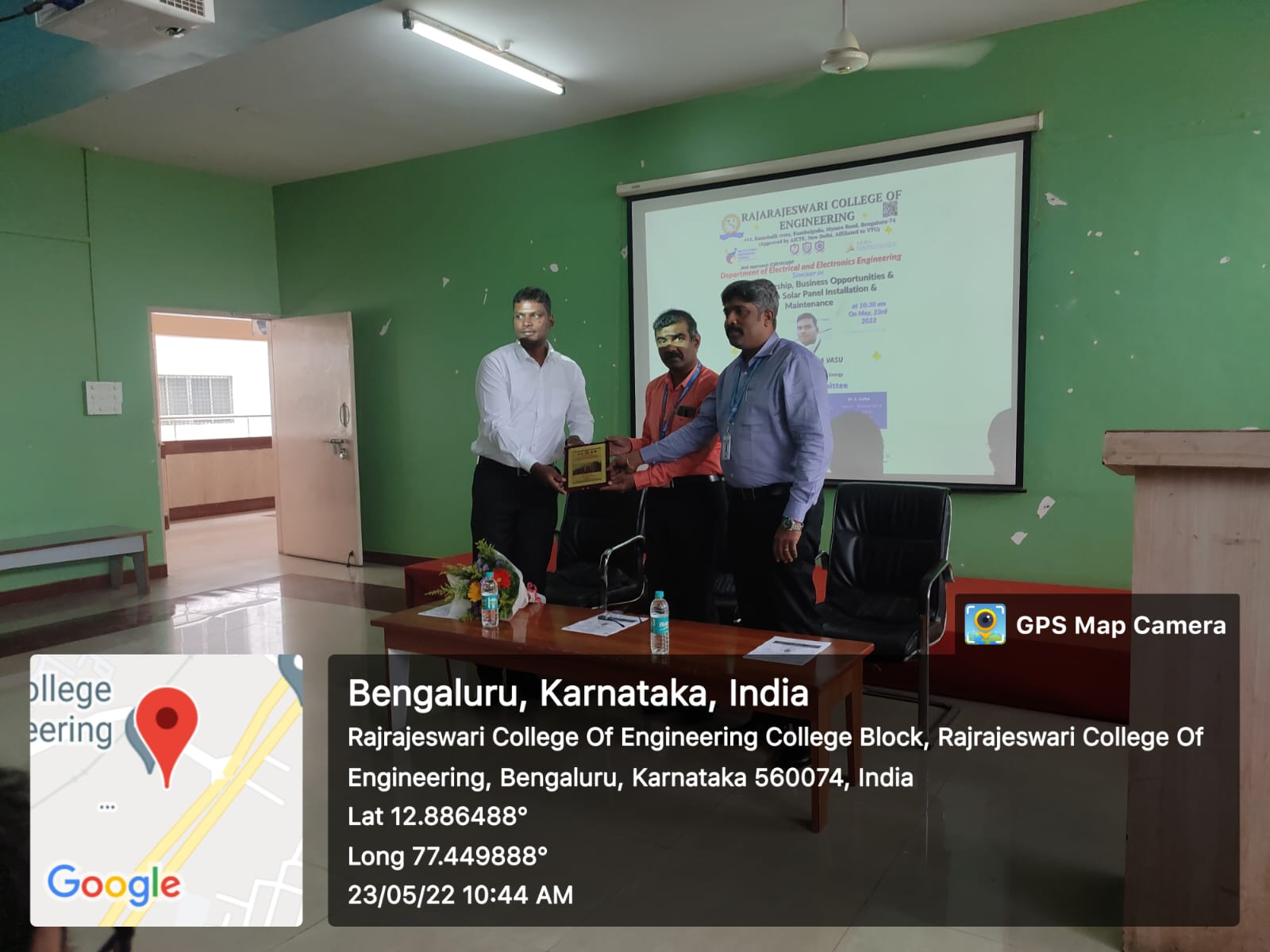
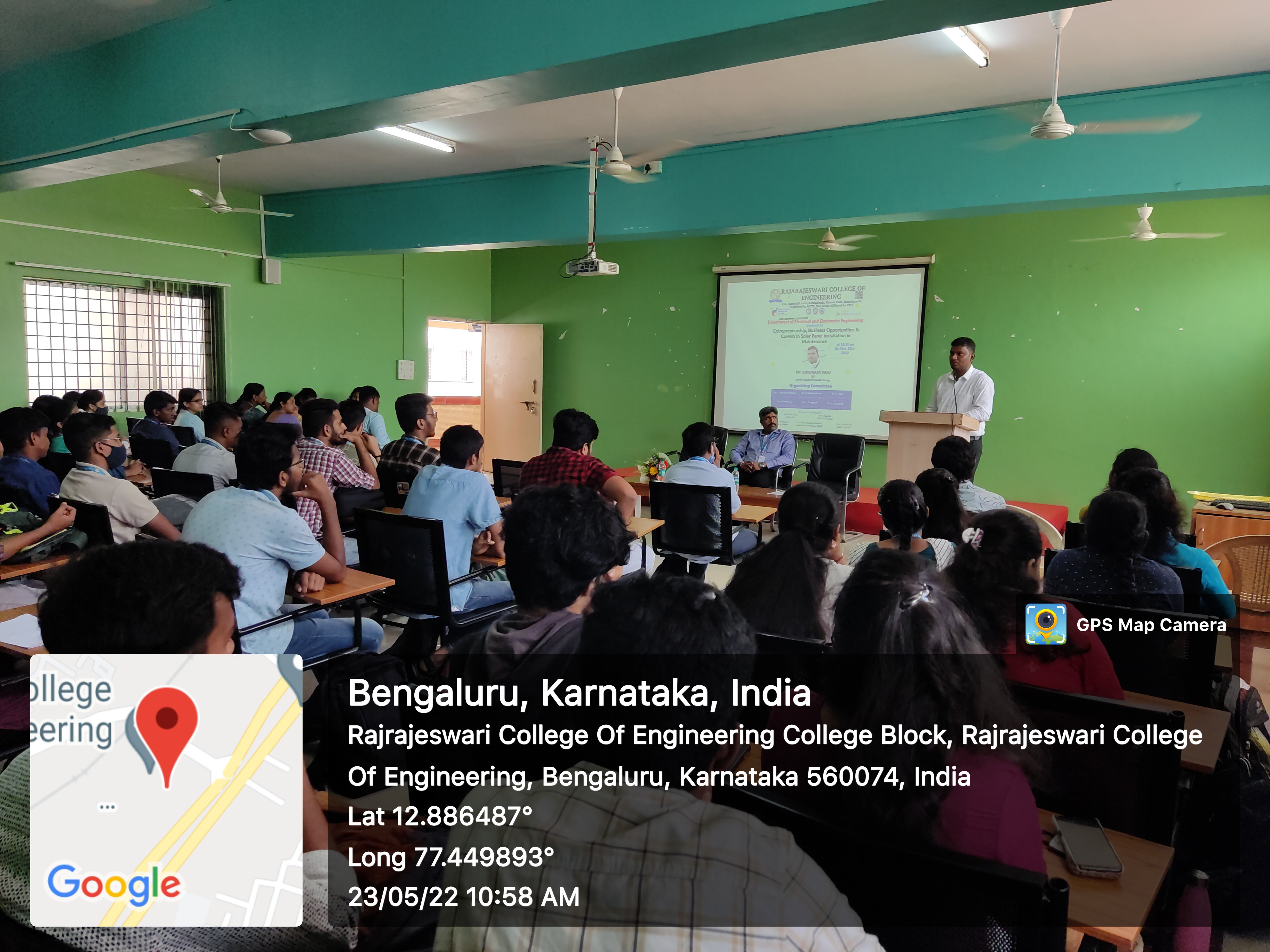
Seminar on Entrepreneurship, Business Opportunities, Careers in Solar Panel Installation and Maintenance
Resource Person : Mr. Giridhara Vasu, CEO, Green Clouds Renewable Energy, Bangalore
Date : 23rd May 2022
Time : 10:30 AM
Venue : Tesla Seminar Hall, EEE Dept, RRCE
Target Participants : 4th 6th and 8th sem students.
Number of Participants : 87
Outcome of the Program :
- Every type of green energy is renewable, but some types of renewable energy are not green. Solar energy is renewable because the sun will always produce power, and it is also green because solar power does not emit greenhouse gases like carbon dioxide.
- Solar power is pollution-free and causes no greenhouse gases to be emitted after installation.
- Reduced dependence on foreign oil and fossil fuels.
- Renewable clean power that is available every day of the year, even cloudy days produce some power.
- Return on investment unlike paying for utility bills.
About solar panels / To utilize the subject knowledge of power system and Smart Grid / About Energy storage system and energy management system
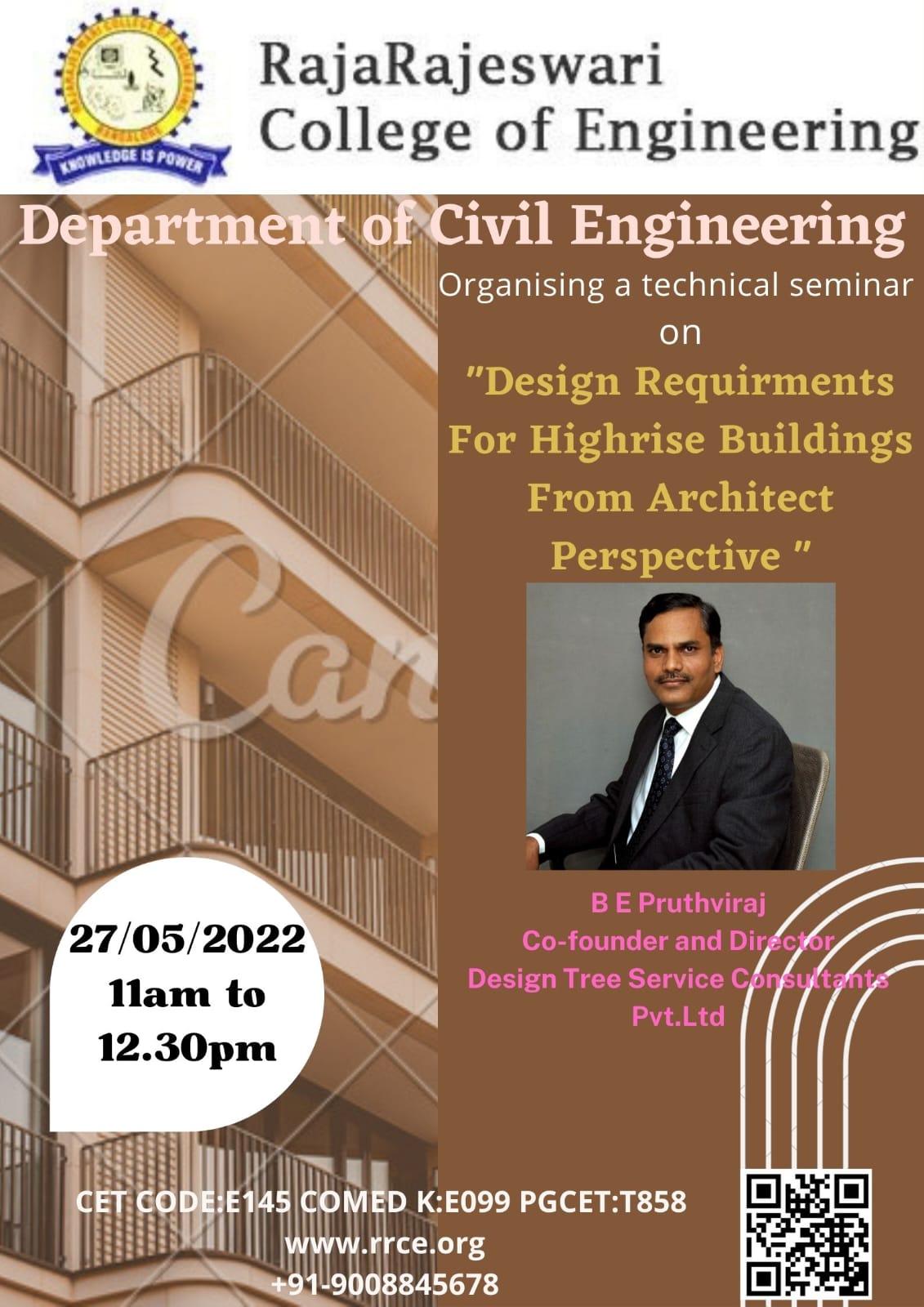
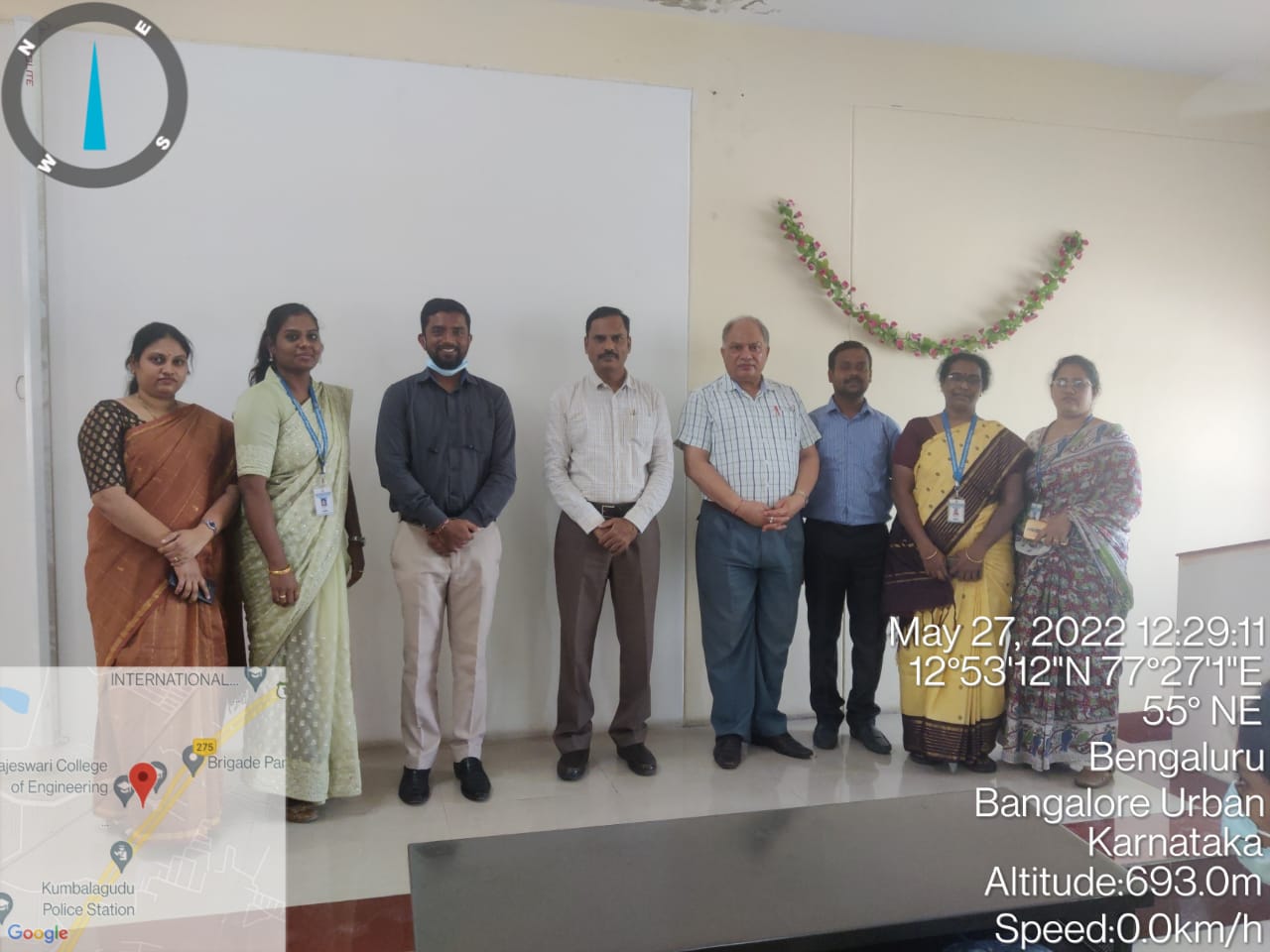
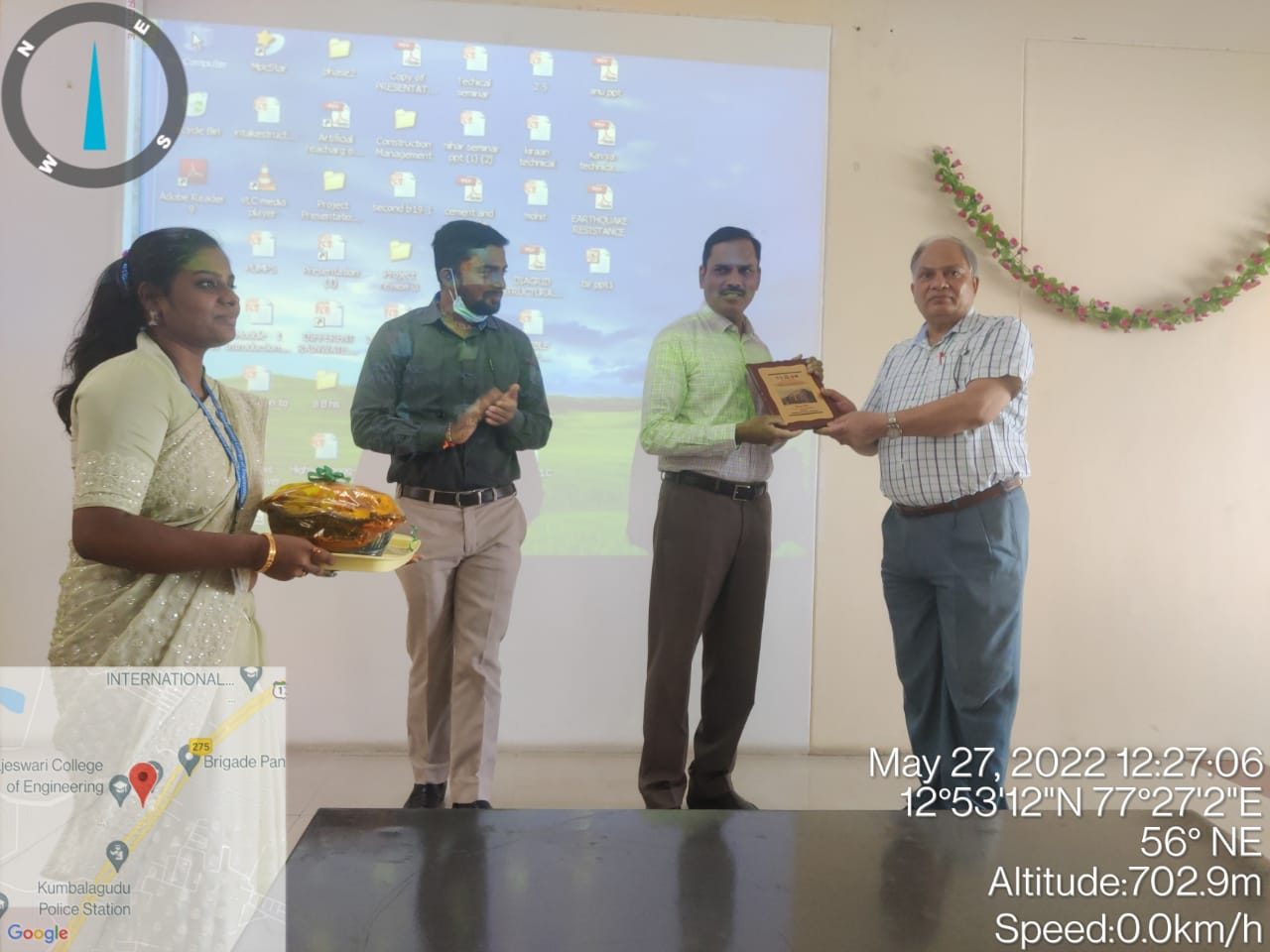
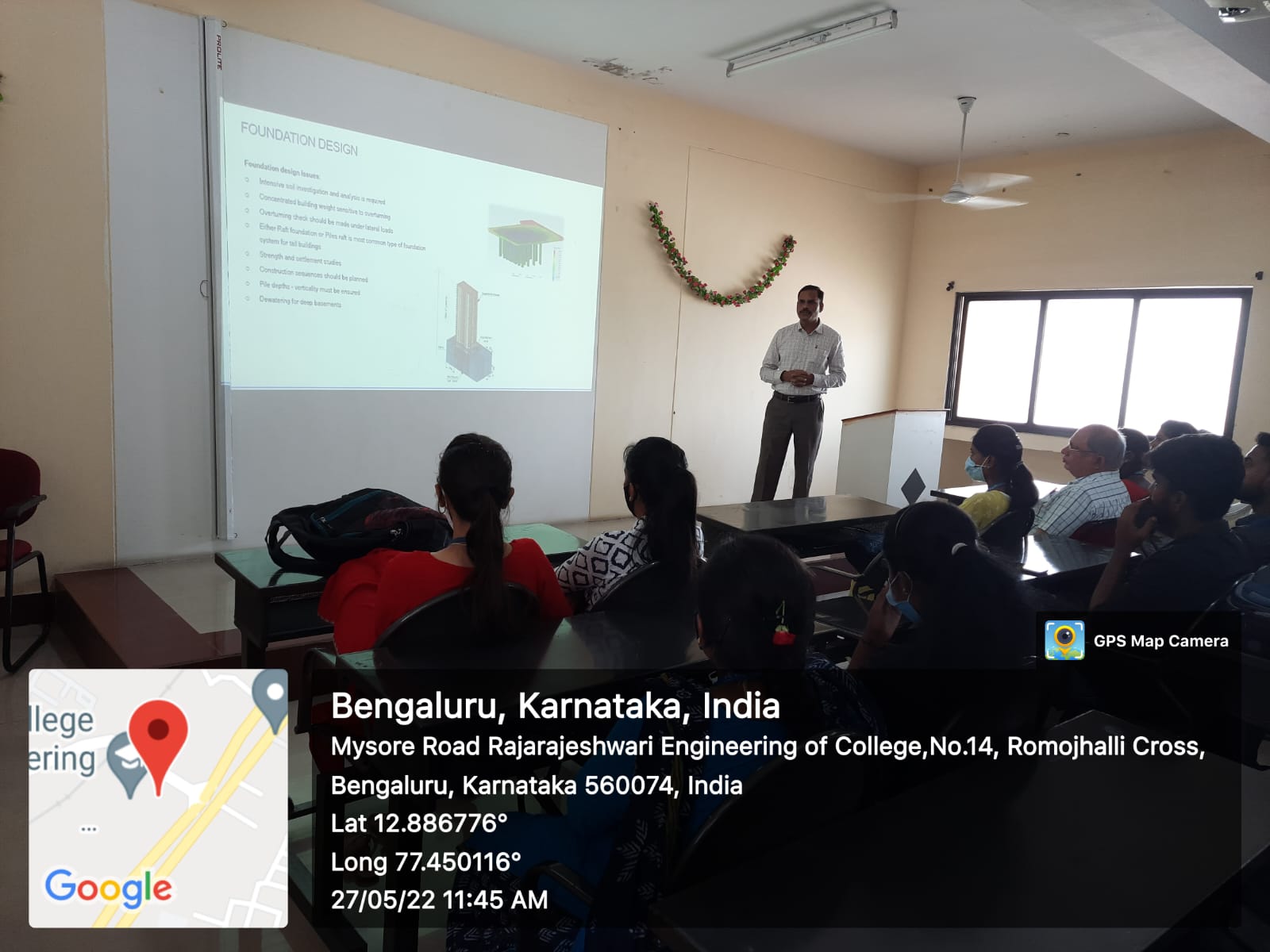
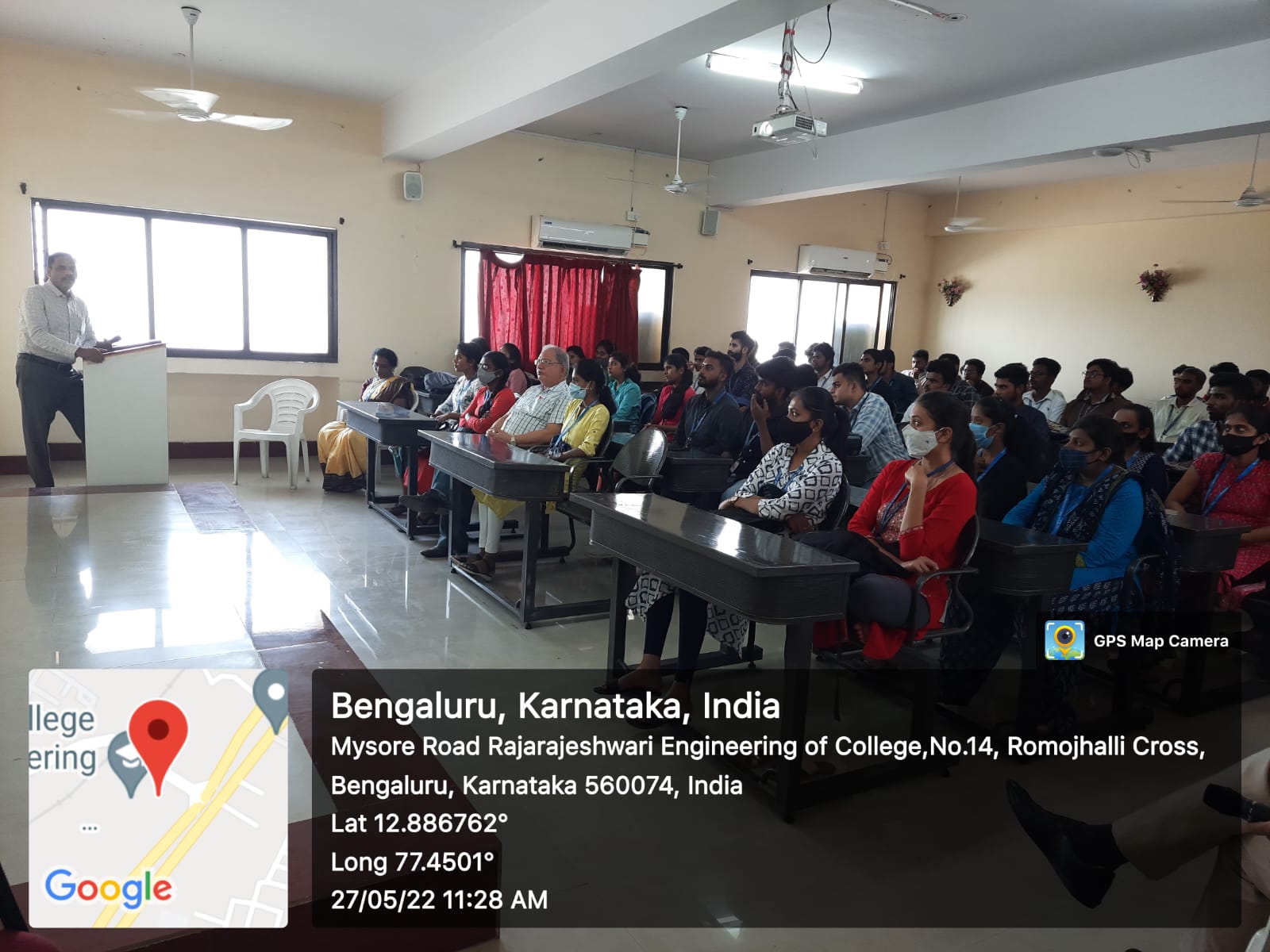
Technical Seminar on Design Requirements for Highrise Buildings from Architect Prospective
Resource Person : Mr. B E Prithviraj, Co-founder and Director, Design Tree Service Consultants Pvt. Ltd
Date : 27th May 2022
Time : 11.00 AM to 12.30 PM
Venue : Visveswaraya seminar hall,6th floor, RRCE.
Invitation For : Principal, Dean , HOD-Civil.
Target Participants : 6th semester UG students of Civil Engineering fields are invited to participate.
Outcome of the Program :
After attending the technical talk Students got an Knowledge about,
- Dynamic analysis of structures
- High rise building construction technology
- Design criteria for high rise buildings
- Retrofitting and Repair works of structures
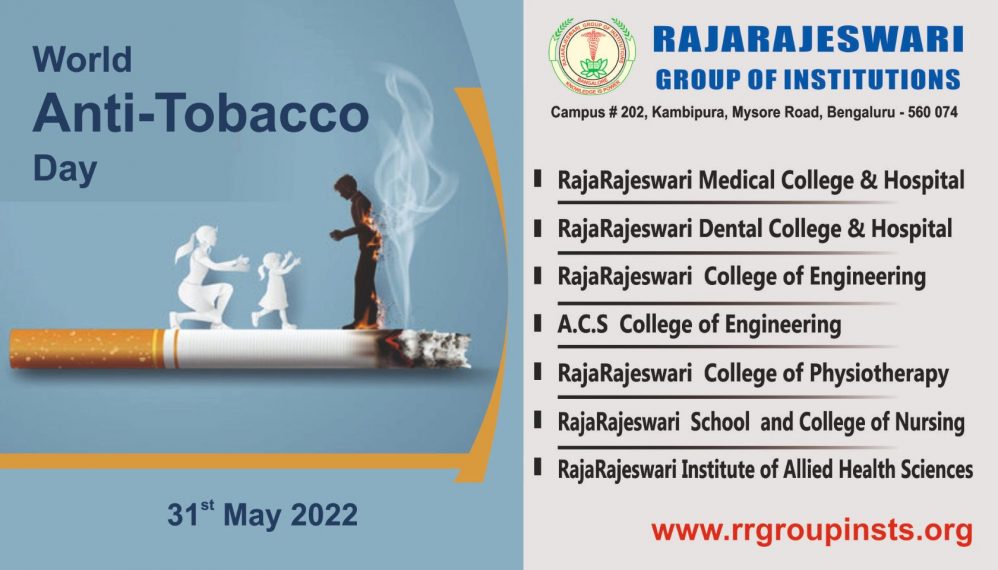
World No-Tobacco Day
International Day of Action for Women Health
Commonwealth Day
International Day for Biological Diversity

Anti-Terrorism Day
World Metrology Day
International Museum Day
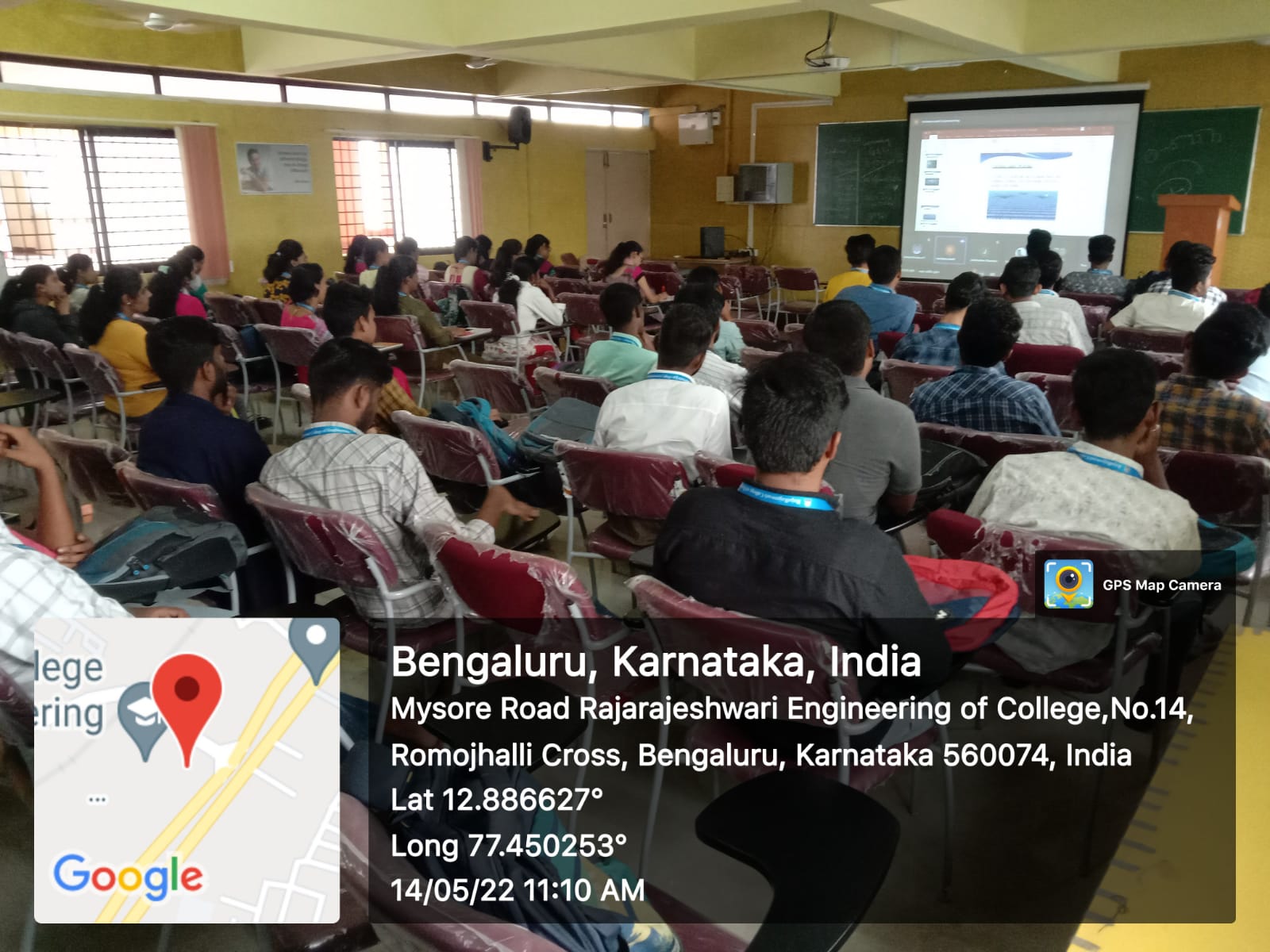
Webinar on Career Opportunities in Cyber Security
Date : 14th May 2022
Time : 11:00 AM to 12.00 PM
Venue : Chanakya Seminar Hall(virtual Mode), RRCE
Alumnus : Rachana S Damle
Batch : 2021
Designation: : Associate Consultant at SISA Company
Outcome of the Program :
The event started with welcoming the alumnus for the event by alumni coordinator Assistant professor Deepa KR, HOD-Dr.Neha Sighal,Dept Of MCA ,60 students from MCA 1st year participated in the event.The session included Cyber Security and its opportunity in present world courses which are suitable for upcoming jobs and certifications in cyber security, students were actively participated. Students have given the feedback to organize such events so that they will be more active and have a good relation with passed out alumni.
- Cyber Security awareness session and security training program for the upcoming threats and security challenges
- Cyber Security and its importance in present world
- Cyber Security viruses and malware information gained
- Theft of data through worms and malwares that entered in to system
- Certification for Cyber Security.
- Management of data & maintaining the data securely.
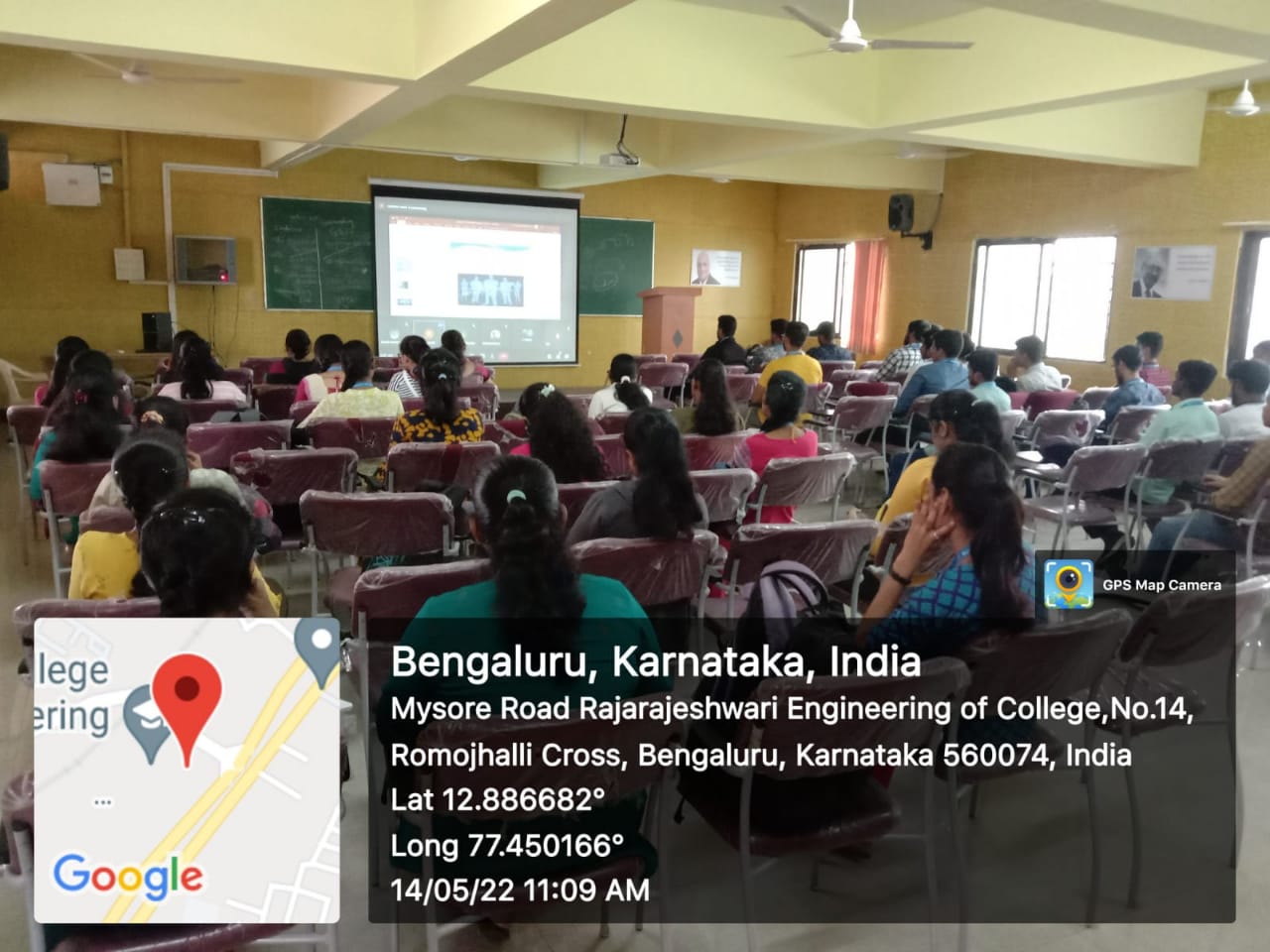
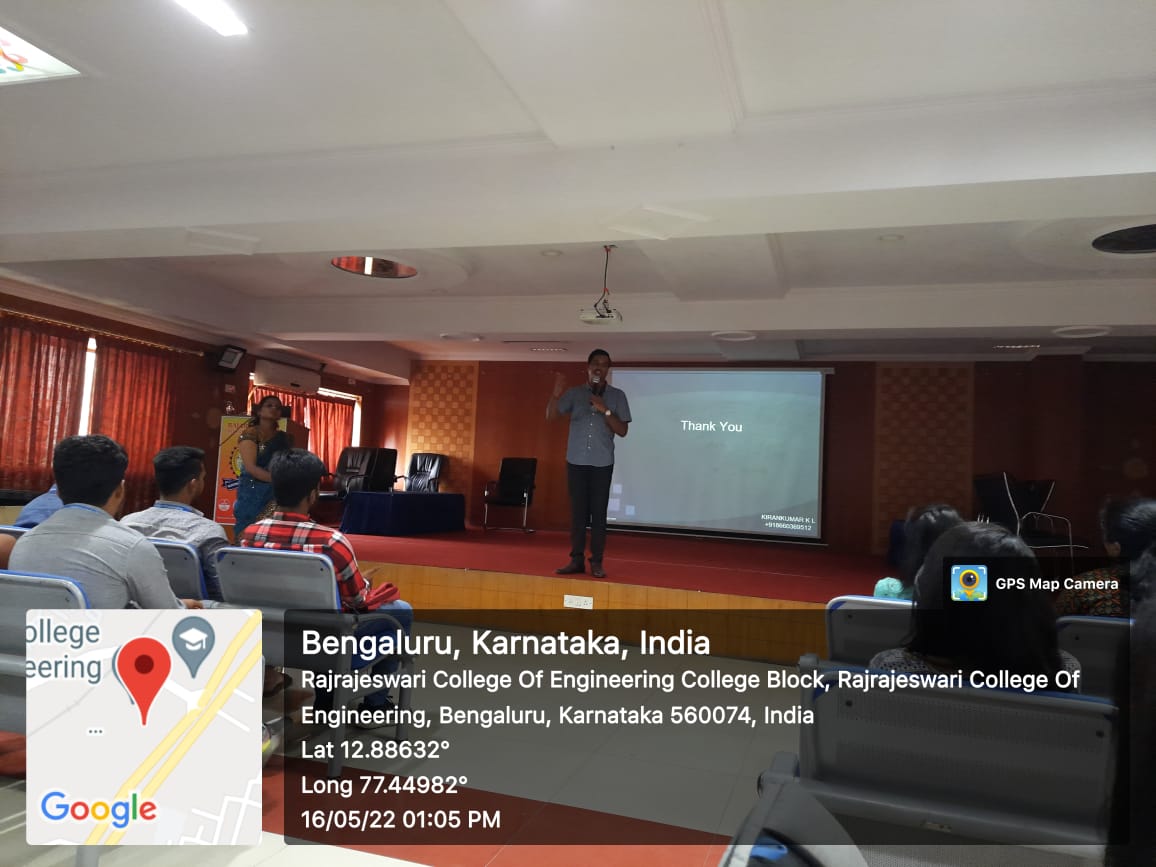
Technical Talk on Interaction with Industry Expert on Structural Design Softwares
Resource Person : Mr. Kiran Kumar K L
Sr. Design Engineer
Chetana Engg. Services Pvt. Ltd.
Date : 16th May 2022
Time : 10.30 AM
Venue : APJ Abdul Kalam seminar hall, 2nd floor, RRCE.
Invitation For : Principal, Dean , HOD-Civil.
Target Participants : 6th and 8th semester UG students of Civil Engineering fields are invited to participate.
Outcome of the Program :
After attending the technical talk Students got an Knowledge about,
- Various software’s that are used for structural analysis and design
- Challenges faced during the analysis
- Parameters to be considered while using particular software
- Best software for the analysis and design of structures


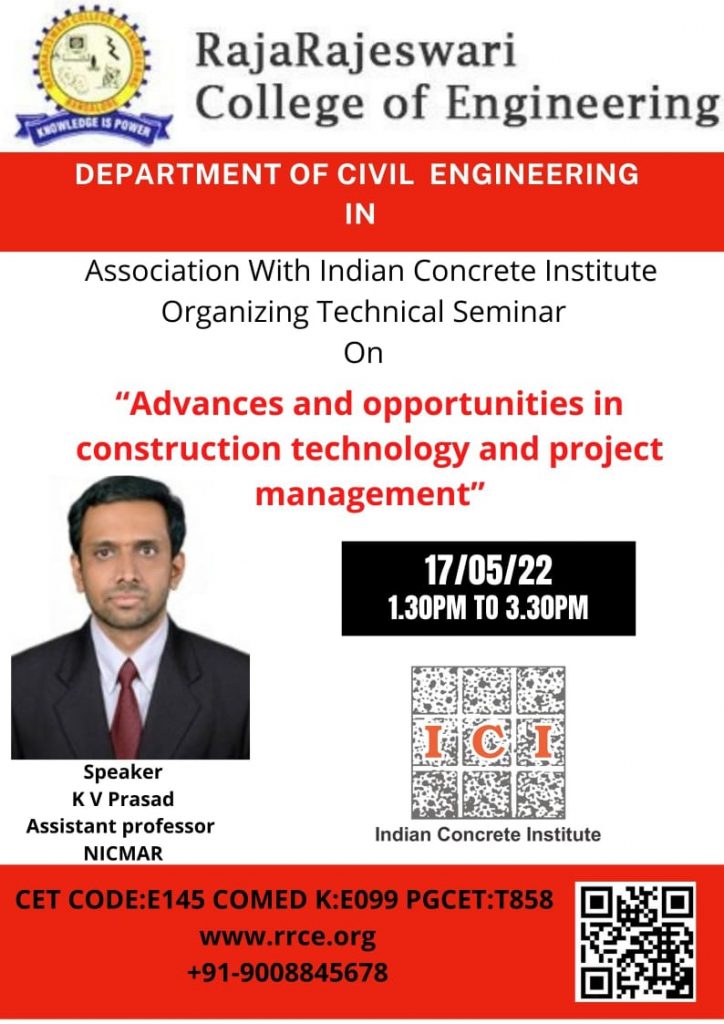
Technical Seminar on Advances and opportunities in Construction Technology and Project Management
Resource Person : Mr. K V Prasad, Asst. Prof., NICMAR
Date : 17th May 2022
Time : 1.30 PM to 3.30 PM
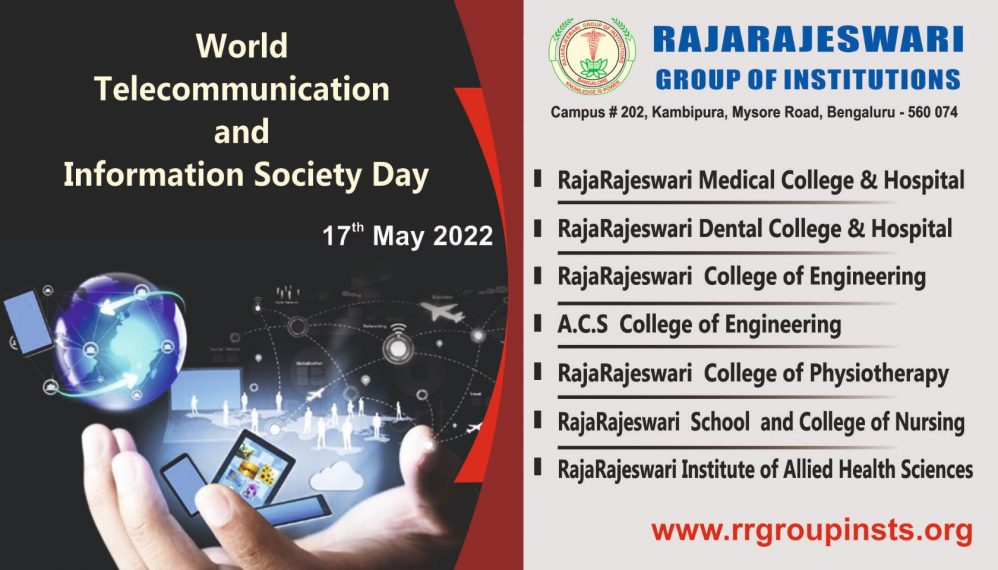
World Telecommunication and Information Society Day
Dengue Prevention Day
World Migratory Bird Day
International Nurses Day
National Technology Day
World Red Cross and Red Crescent Day

World Thalassemia Day
World Mother Day
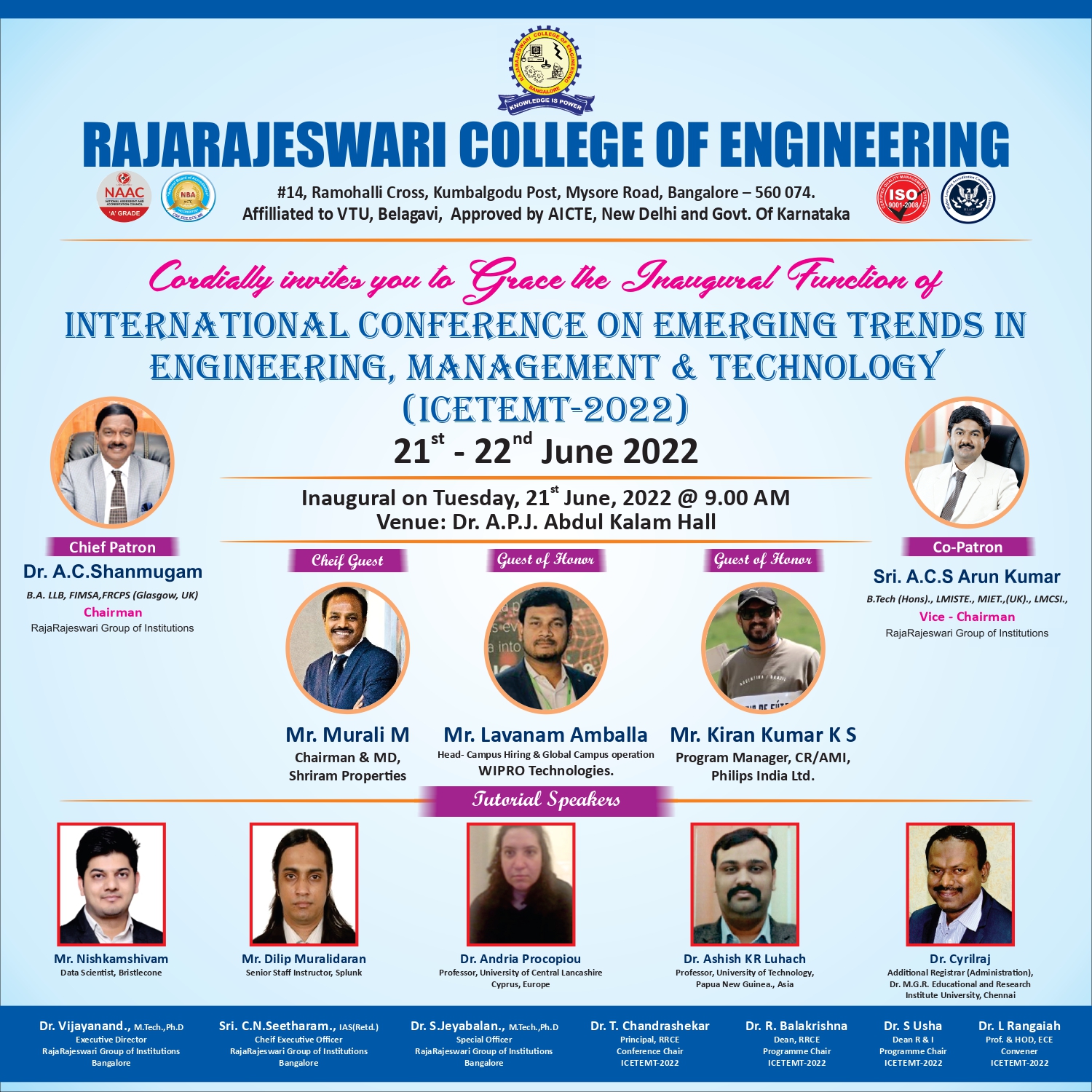
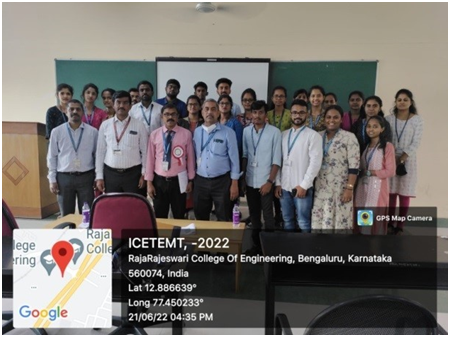
ICETEMT-2022
Date : 21st & 22nd June 2022
Venue : Dr.A.P.J.Abdul Kalam Hall,RRCE,Bengaluru.
Objective of the Conference :
The primary objective of ICETEMT-2022 is to provide a world class platform to present and discuss all the latest research and results of Scientists, Engineers, Academicians and Research Scholars. This conference provides opportunities for the different areas of delegates to exchange new ideas and application experiences face to face business or research relations and to find global partners for future collaboration.
Number of papers received: 380
Number of papers registered: 244
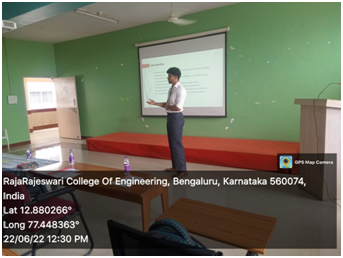
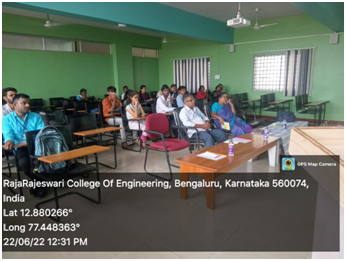
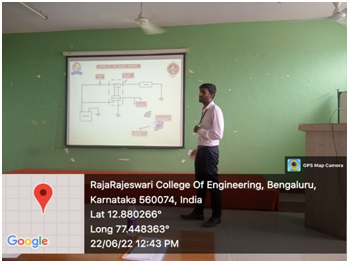
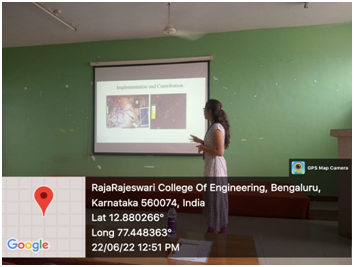
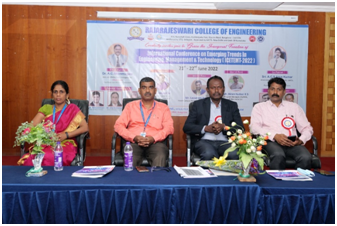
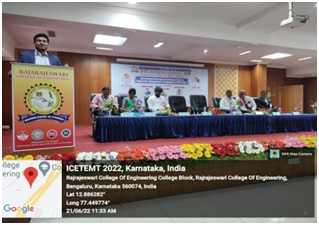
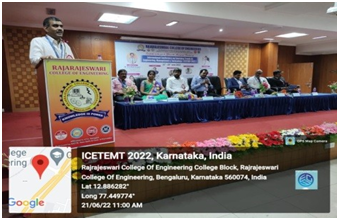
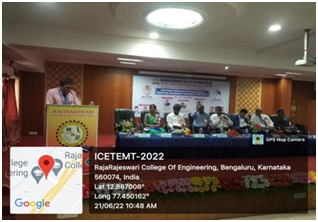
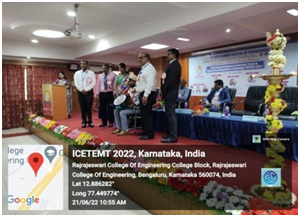
International Conference held at #RRCE: #RajaRajeswari College of Engineering, Bangalore has organized an “International Conference on Emerging Trends in Engineering, Management and Technology” (ICETEMT 2022) during 21 – 22 June 2022.
Dr J Amutharaj, Vice Principal and Programme Chair – ICETEMT 2022 delivered the welcome address. Dr T Chandrashekar, Principal has delivered the presidential address. Dr L.Rangiah, Convener and Professor & Head – ECE Department delivered a note on ICETEMT-2022. Dr R Balakrishna, Dean, RRCE delivered a key note address and Dr S Usha, Dean – Research has stressed the importance of connectivity between the academic research and social concern and relevance during the research work.
Mr. Murali, Chairman & MD, Shriram Properties was the Chief Guest of the inaugural function. Mr. Lavanam Amballa, Head – Campus Hiring & Global Campus Operation, WIPRO Technologies & Mr. Kirankumar K.S, Program Manager, CM / AMI, Philips India Ltd., were the Guest of Honours and have graced the occasion.
Internationally renowned Technical Experts from various parts of the globe delivered the Tutorial Talks on Sustainable Artificial Intelligence, Data Science, Machine Learning and Deep Learning for large scale business and Cyber Security. More than 200 selected papers were presented in the Conference. Dr Ebby Darney, Professor and Head, Department of Electrical Engineering has proposed the vote of Thanks.
About the Event
Conference Accepted and Presented Papers published in
i. Neuro Quantology (An Interdisciplinary Journal of Neuroscience and Quantum Physics )- Scopus Indexed
ii. Journal of Algebraic Statistics (Web of Science)
iii. International Journal of Research and Analytical Reviews (IJRAR) – UGC Indexed –
The Conference owes its success to the able guidance of Dr. T Chandrashekar, Principal, Conference Chair and the hard work put in by the entire ICETEMT -2022 team led by Dr. R Balakrishna, Dean, Programme Chair, Dr. S. Usha, Dean , R & I, Programme Chair & Dr. L. Rangaiah, Prof & HoD-ECE, Convener, as well as with faculty and student Coordinators.
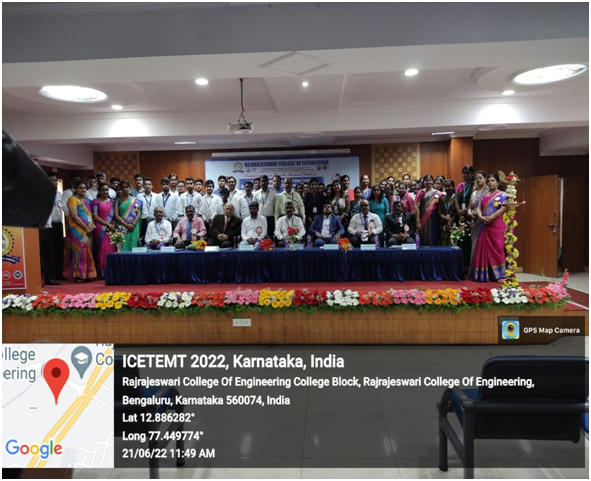
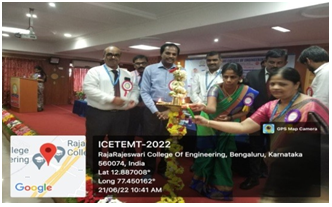
The Hon’ble Chief Guest Mr. Murali M, Chairman & MD, Shriram Properties inaugurated the Conference, along with Guest of Honors Mr. Lavanam Amballa, Head – Camus Hiring & Global Campus Operation, WIPRO Technologies; Mr. Kiran Kumar K S, Program Manager, CR/AMI, Philips India Ltd and with other dignitaries. The Conference Proceedings were released by all the dignitaries during the inaugural function. The inaugural function was graced with the keynote on “Emerging Trends in Health Care and IoT Applications” by Mr. Kiran Kumar K S, Philips India Ltd.
Over the two-day Conference, 5 Tutorial sessions with International Speakers were organized and 6 concurrent sessions per day with 2 session chairs per session were conducted fruitfully. On the 2nd day, in the Valedictory function, the Best paper was awarded from each Department. Also, the participants were given presentation Certificates by various Heads of the Dept. Dr. Rangaiah L, Conference Convener extended the vote of thanks and expressed his gratitude. The contribution of scholars from diverse fields definitely added a new dimension to the R & D chapter of RRCE, Bengaluru.
World Athletics Day
Ayushman Bharat Diwas
Technical Talk – A Guidance Program on Career Opportunities after B.Tech
Resource Person : Mr. P. Ramesh, Faculty Member, ACE Engineering Academy
Date : 21st April 2022
Time : 1:30 PM to 2.30 PM
Venue : Sri M Visveswaraya Seminar Hall, Civil Department, RRCE.
Target Participants : 6th semester UG students of Civil Engineering fields are invited to participate.
Outcome of the Program :
- Students got a clear idea about wide variety of career fields and opportunities.
- Students learned to identify and use relevant tools in the job search.
- Personal guidance to help students to choose courses that perfectly fit their career or personal goals.
International Dance Day
World Day for Safety and Health at Work
Team Building and Time Management
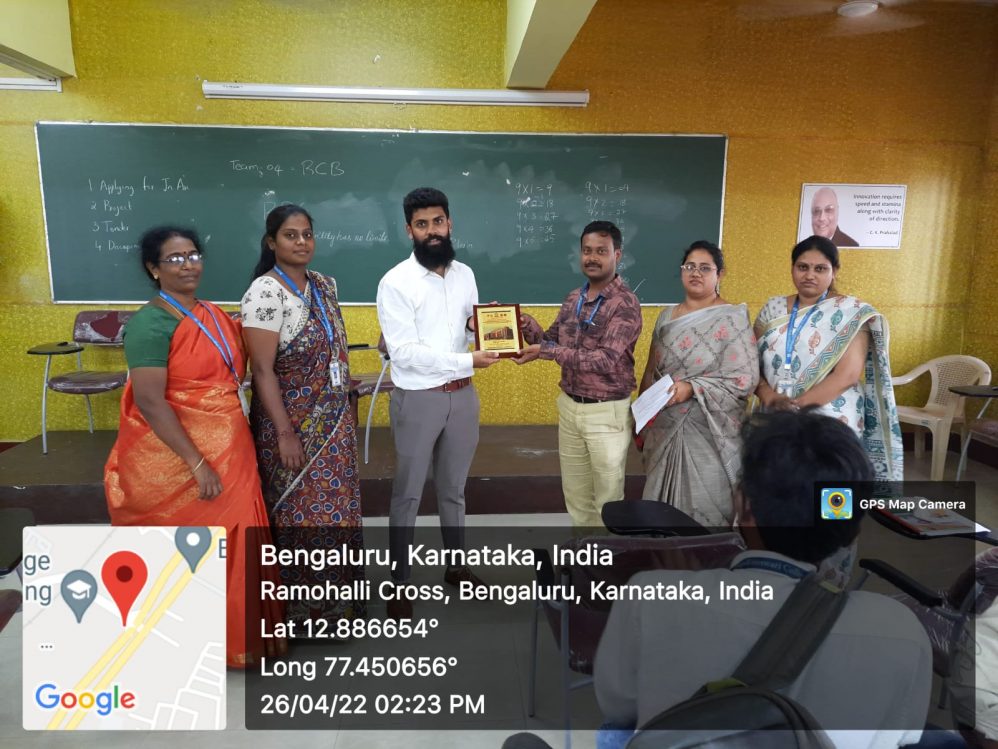
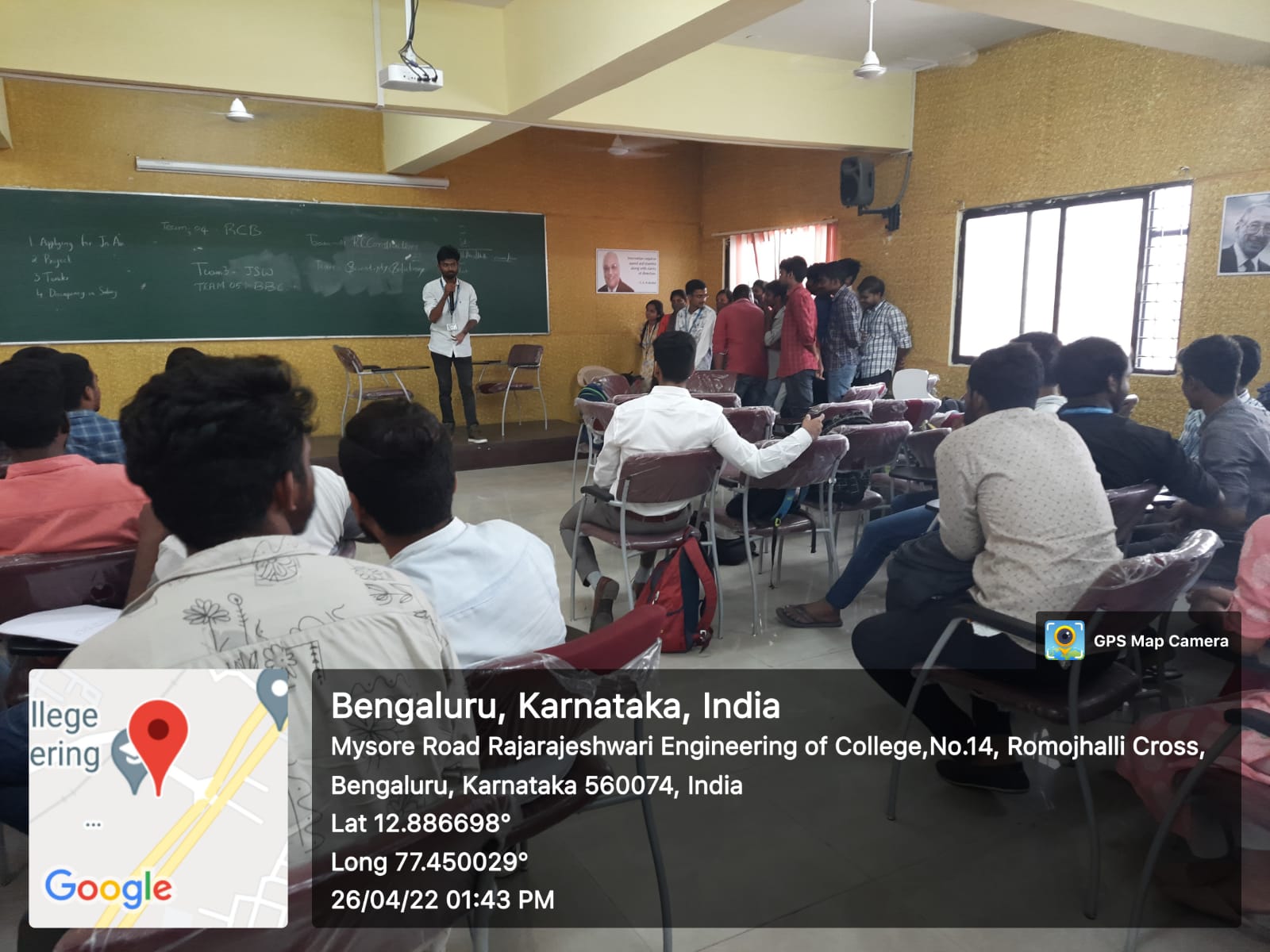
Department of Civil Engineering with Alumni Association is conducting an Alumni talk on “Team Building and Time Management” on 26.04.2022
Alumnus : Mr Sankeerth BG, Co-founder- Micro
Batch: 2017 passed
Date : 26th April 2022
Time : 10:45 AM to 01.30 PM
Venue : Chanakya Seminal Hall
Outcome of the Program :
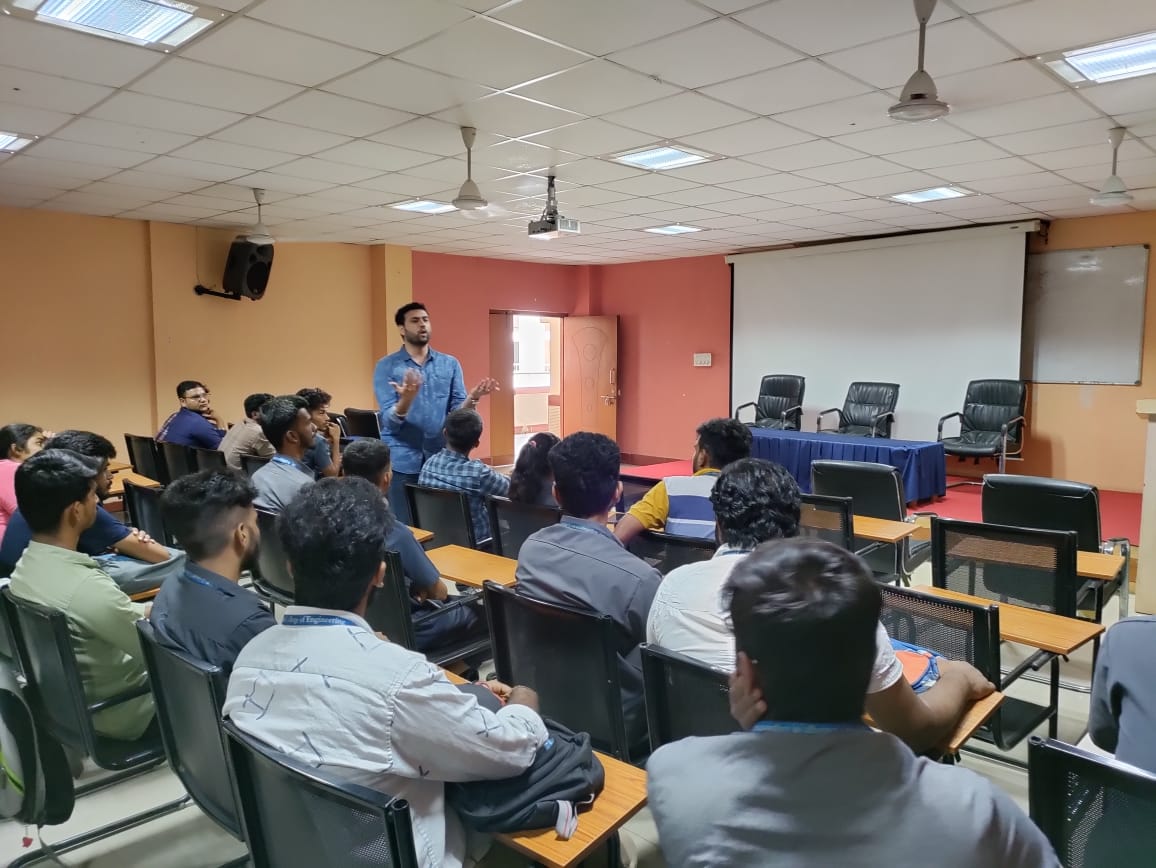
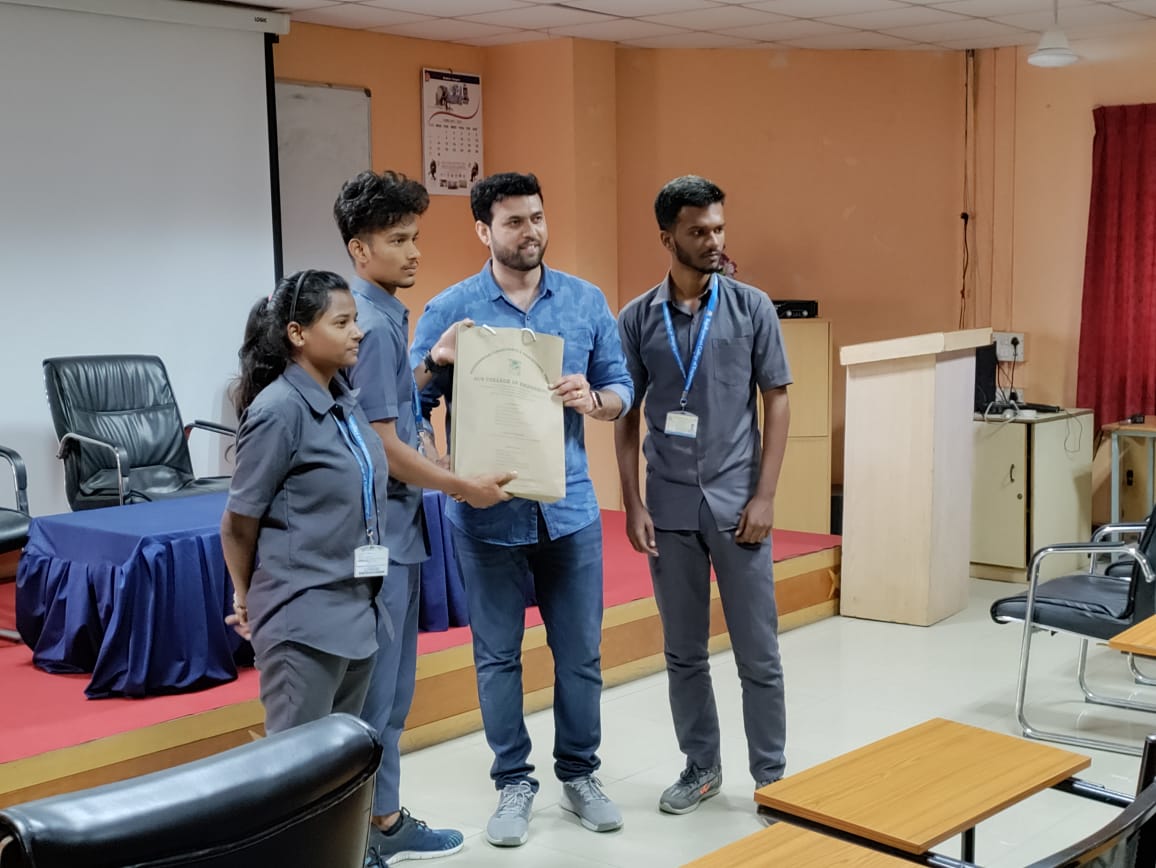
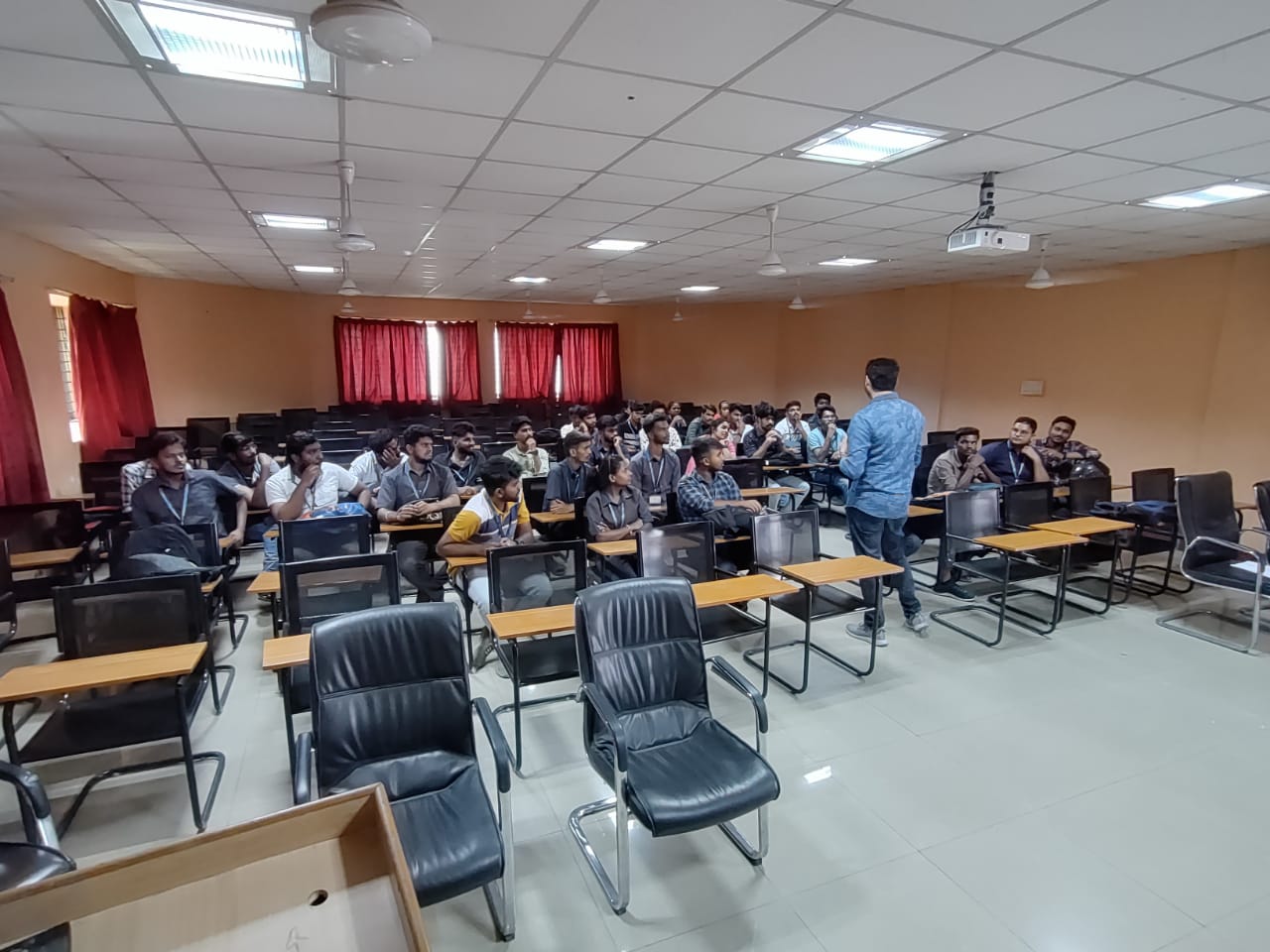
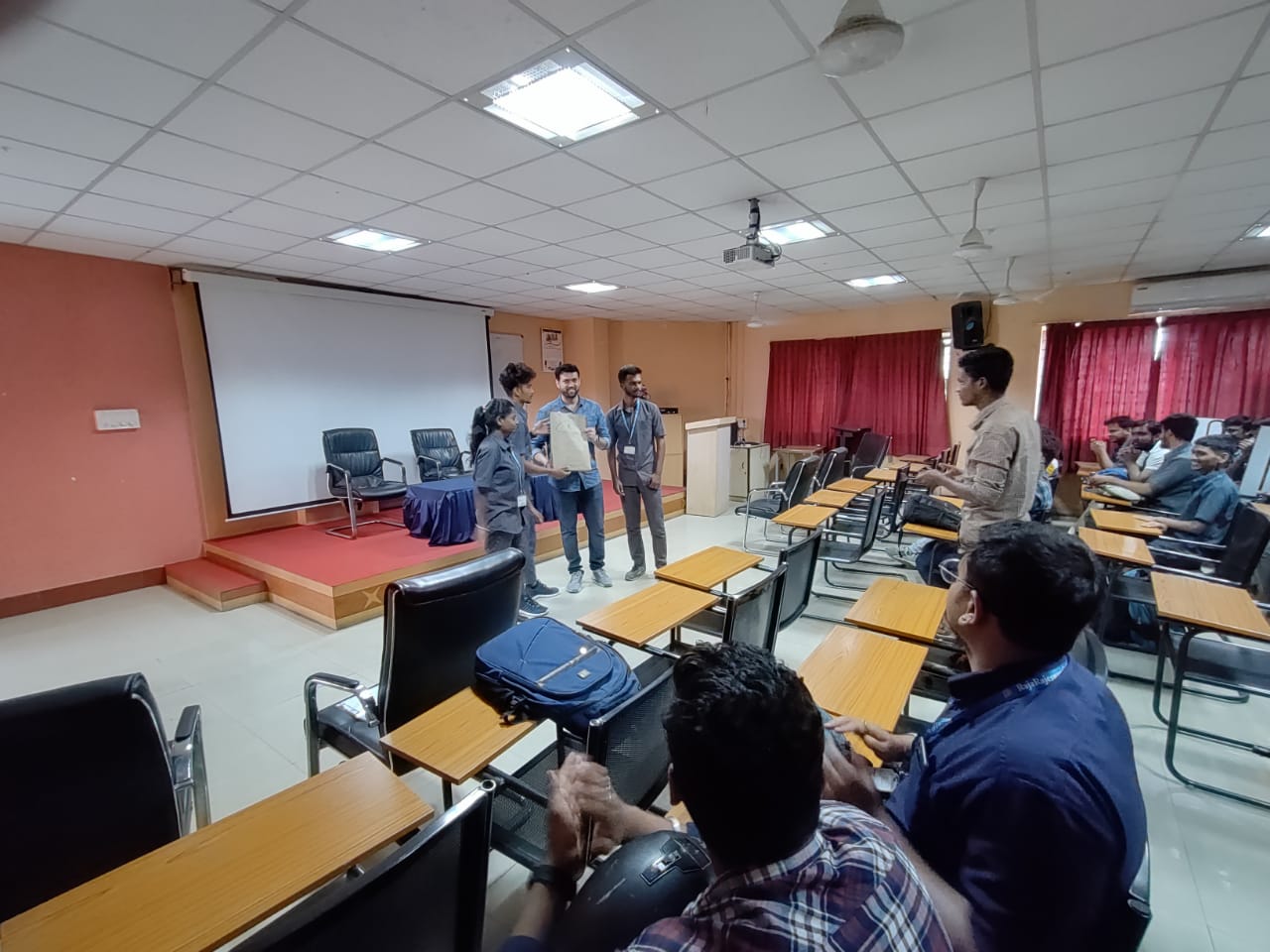
The event started with welcoming the alumnus for the event by Alumni head Dr. Savitha B, and HoD-CVE Mr.Gangadhara N. final year students ofCivil Engineering are participated. Around 85 students from Civil Engineering participated in the event. The session includes different activities which shows how to work as a team and how to manage the time, students were actively participated.Students have given the feedback to organize such events so that they will be more active and have a good relation with passed out alumni. After the interaction with the students, the resource person was honoured with Memento as a token of appreciation to conclude the event.




Alumni Talk – Carrier Guidance
Date : 23rd April 2022
Time : 10:45 AM to 12.45 PM
Venue : Arya Bhatta Seminal Hall
Alumnus : Mr: Niranjana Raje Urs B K
Batch : 2011 passed
Organization : Eurofins IT Solutions
Designation : Principal Associate – Team Lead
Outcome of the Program :
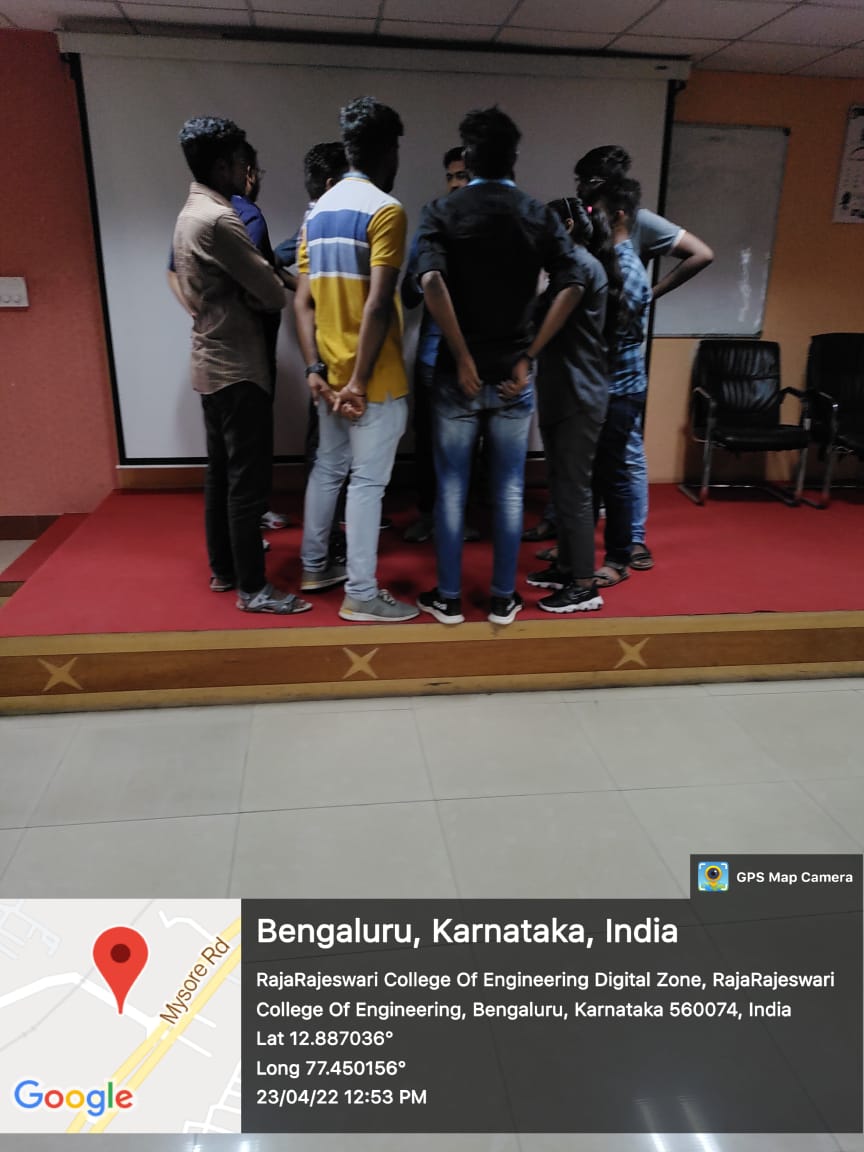
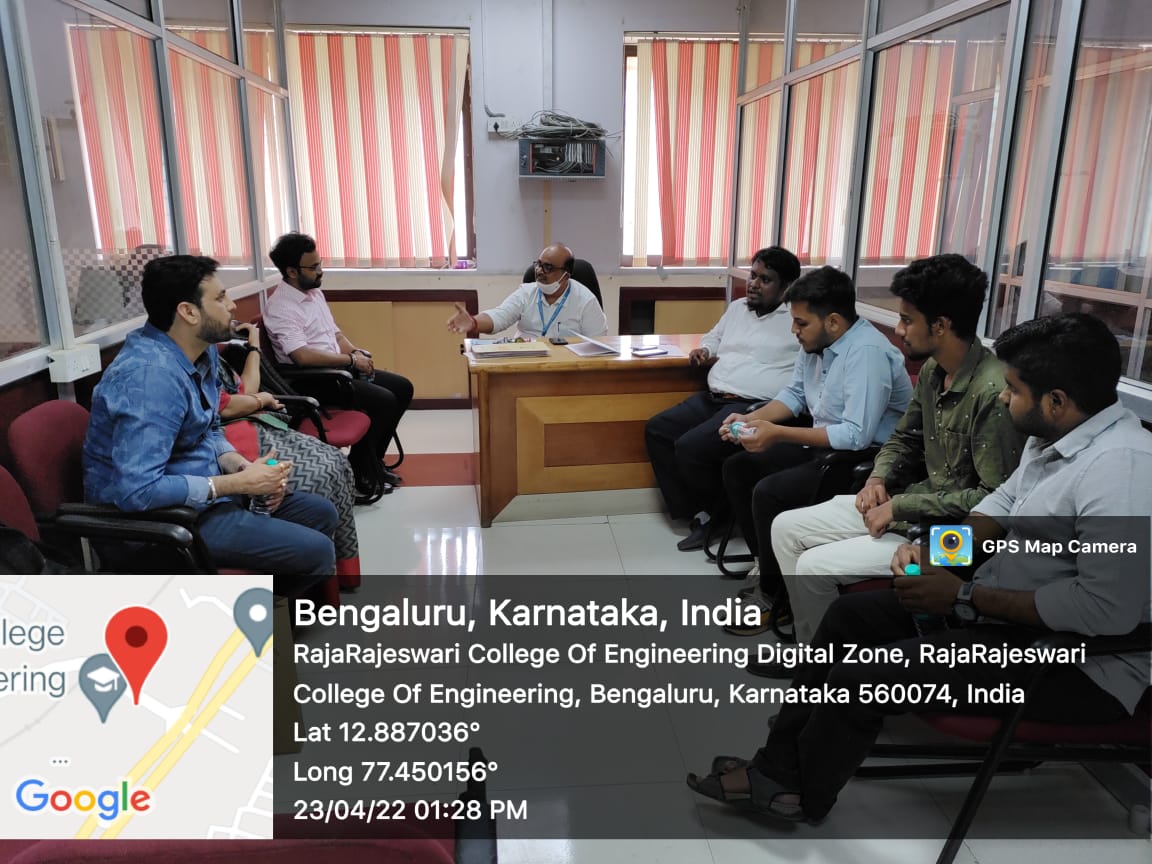
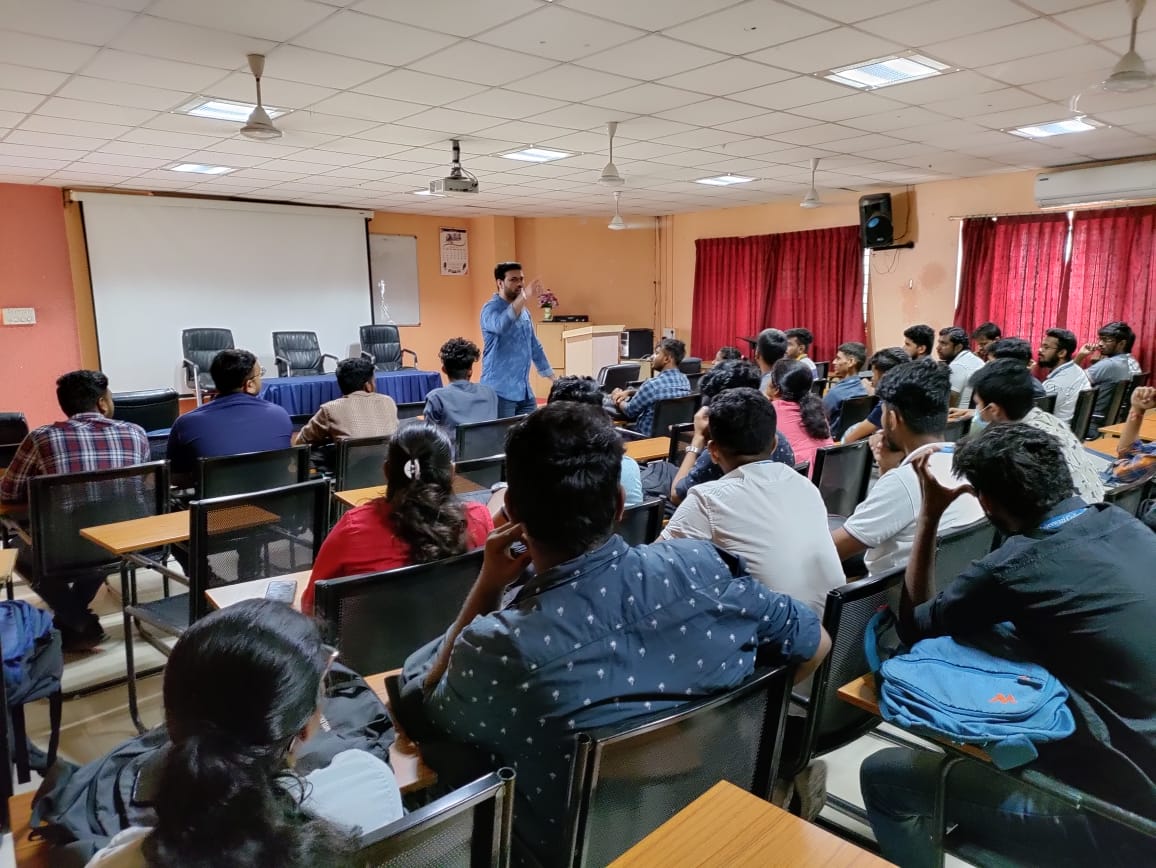
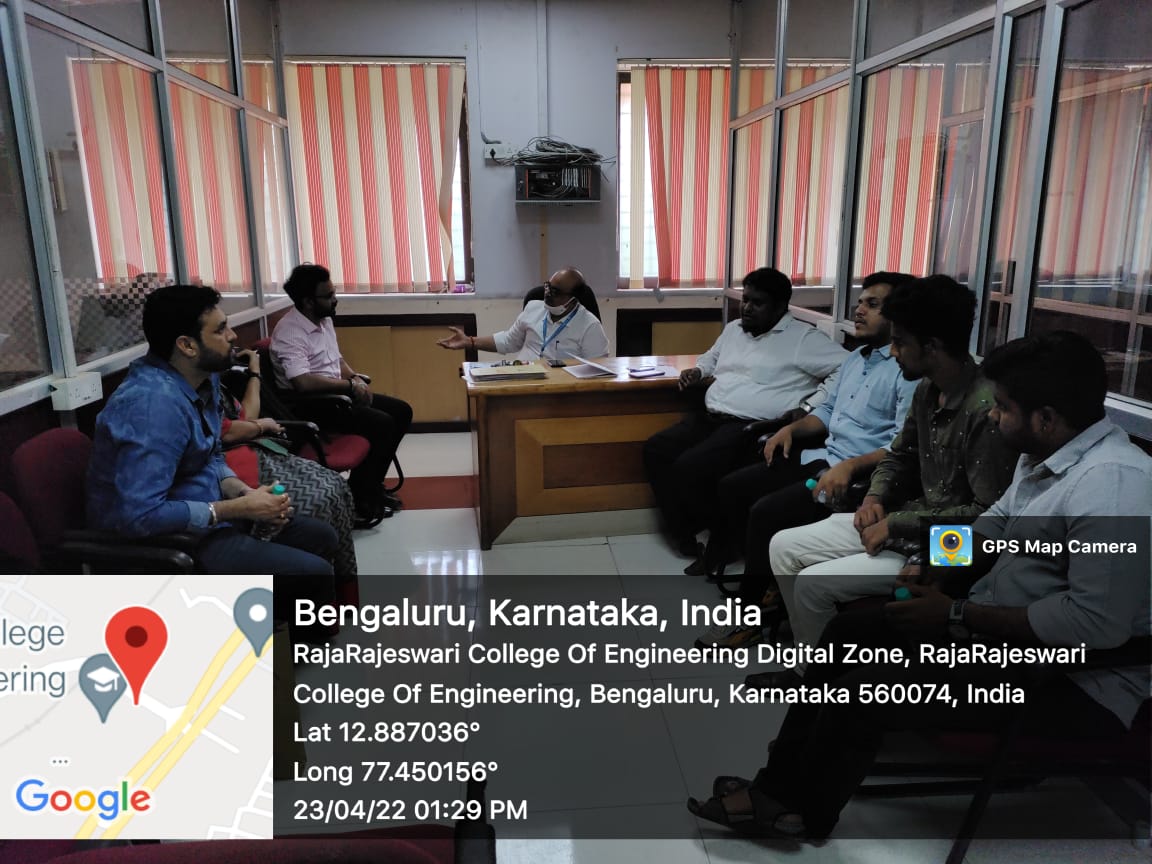
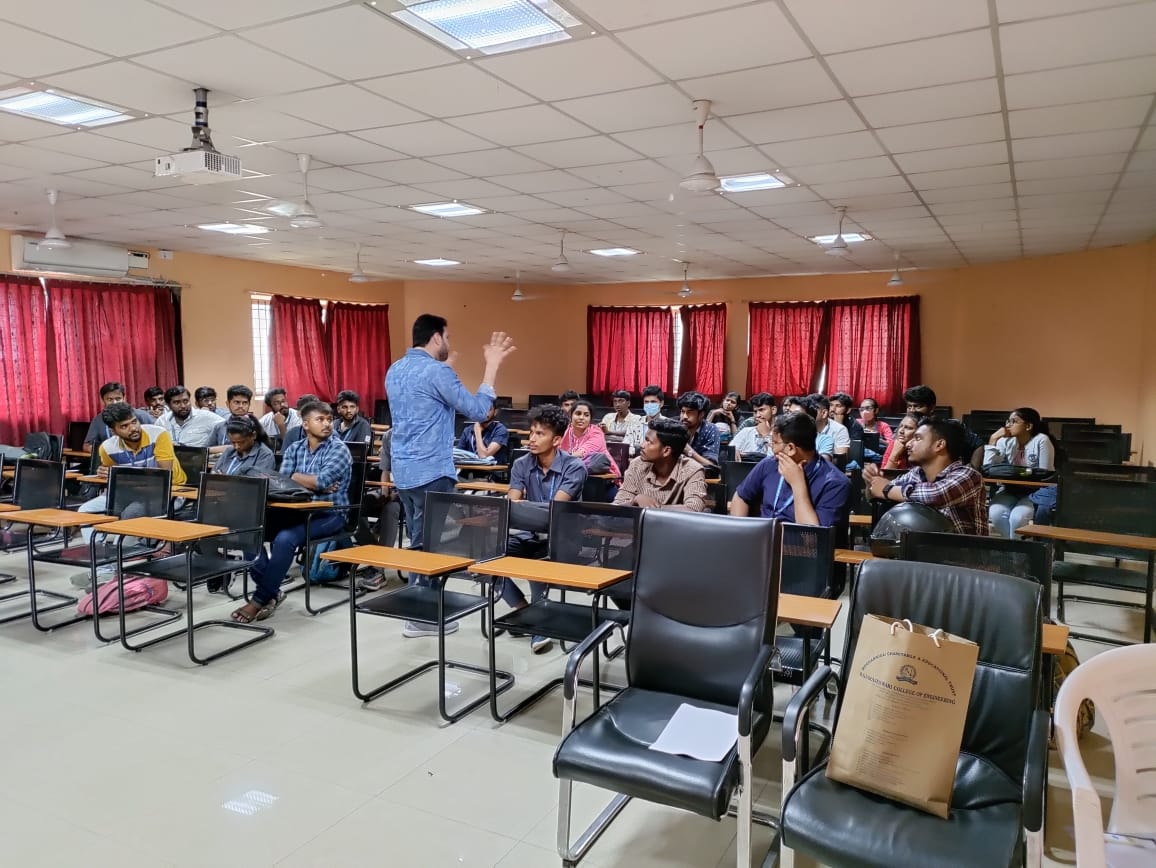
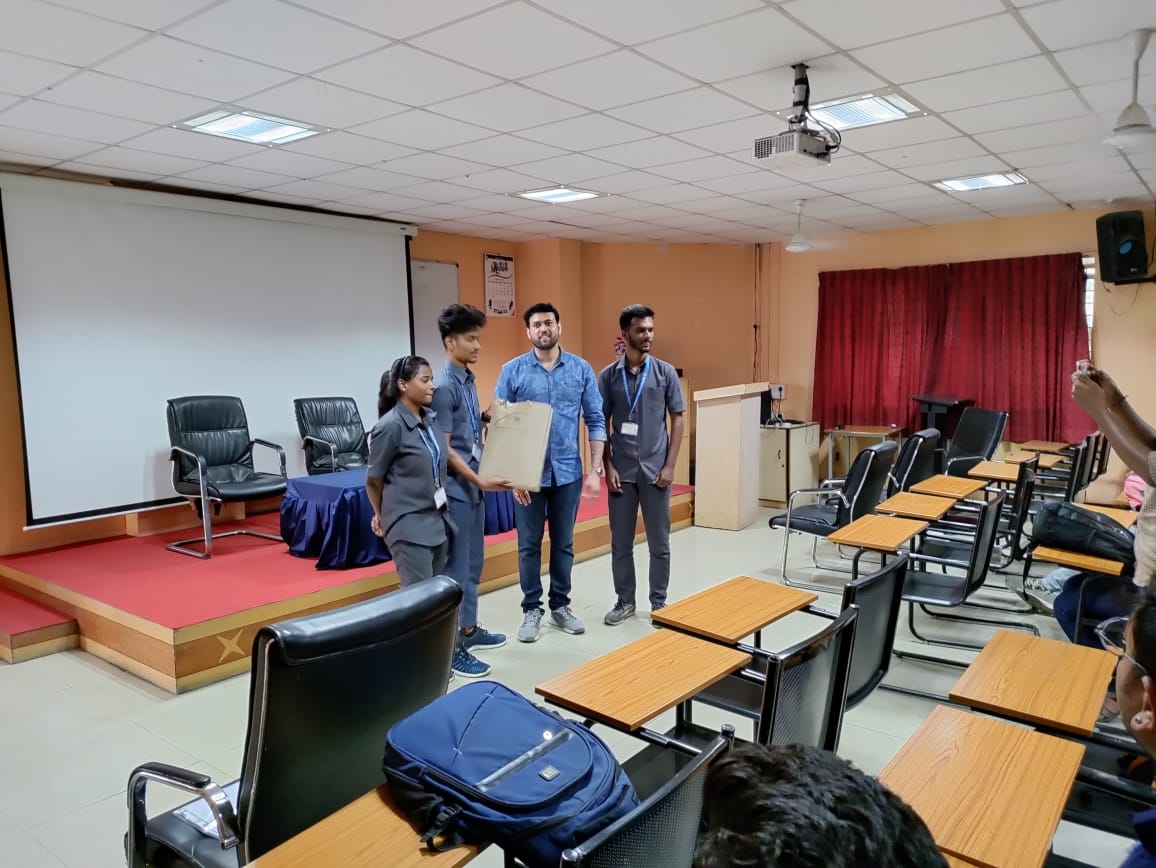
The event started with welcoming the alumnus for the event by Alumni head Dr. Savitha B, and HoD-ME Dr. C Ramesh. Pre final year students of Mechanical & Electrical and Electronics Engineering students participated. Around 15 students from Mechanical Engineering and 15 students from Electrical and Electronics Engineering participated in the event. Students have given the feedback to organize such events to get more exposure to present requirements and have a relation with passed out alumni. After the interaction with the students, the resource person was honoured with Memento as a token of appreciation to conclude the event.
World Malaria Day

Technical Talk on Career Guidance
Resource Person : Mr Ramesh, Faculty member,ACE Engineering Academy
Date : 21st April 2022
Department of Civil engineering of RajaRajeswari College of Engineering, Bangalore successfully conducted a technical talk on career guidance in association with ACE Engineering academy for pre final year students on 21/04/22


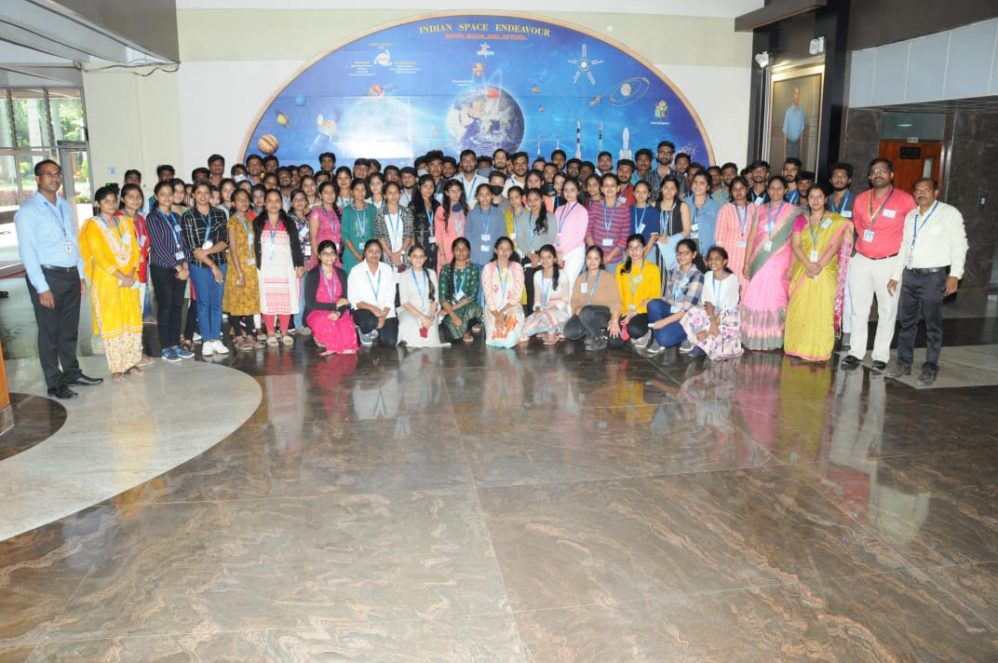
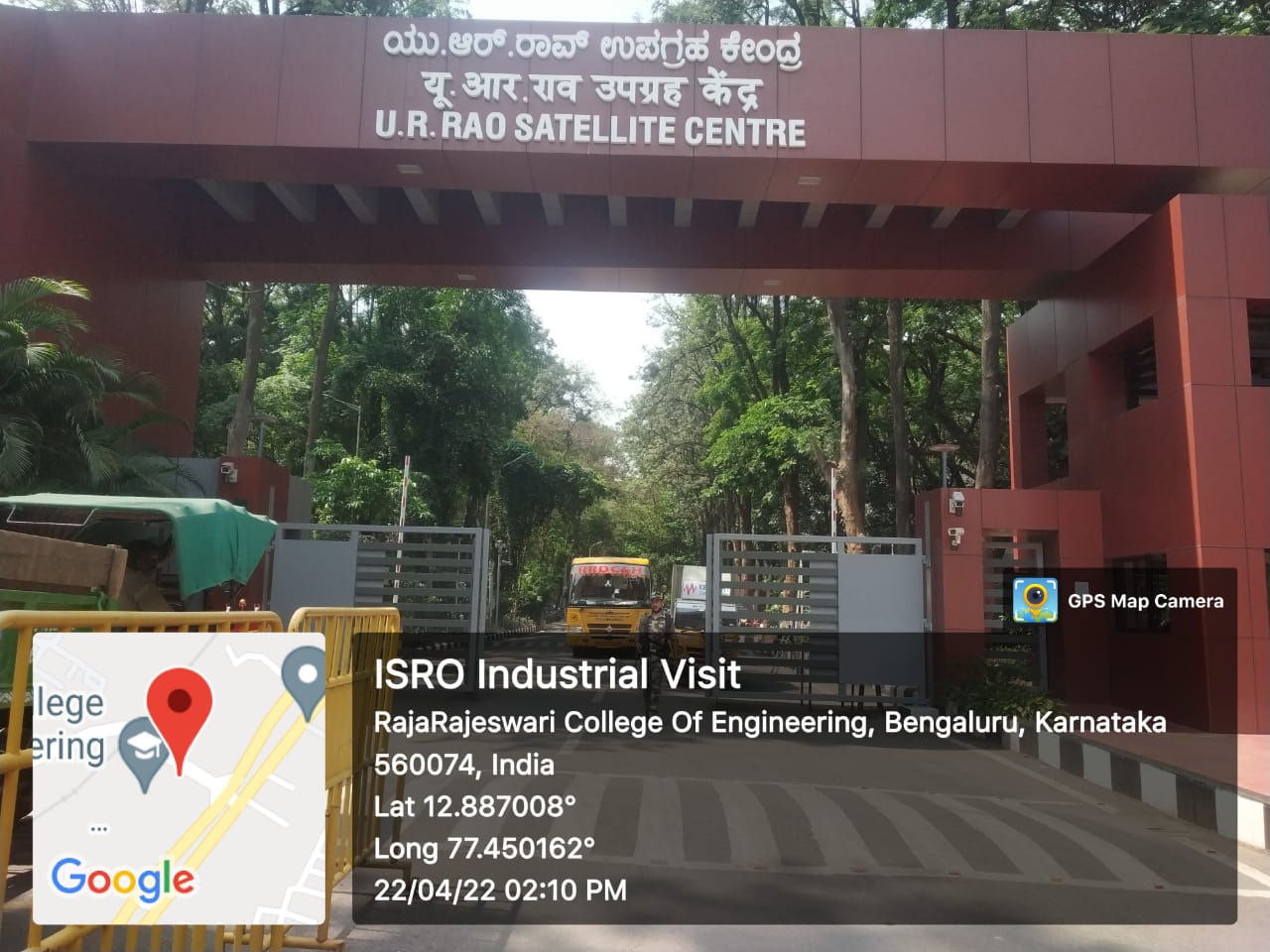
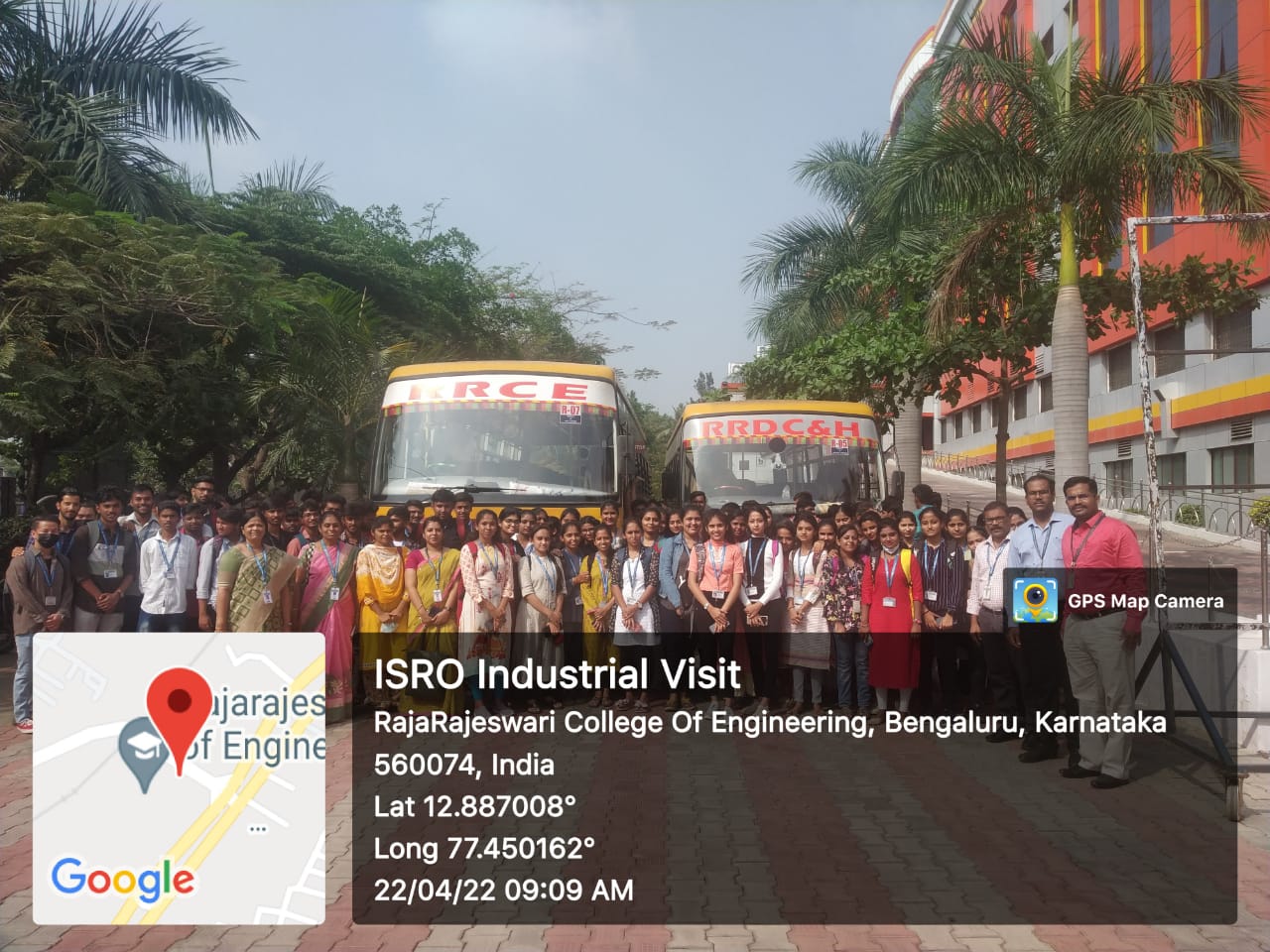
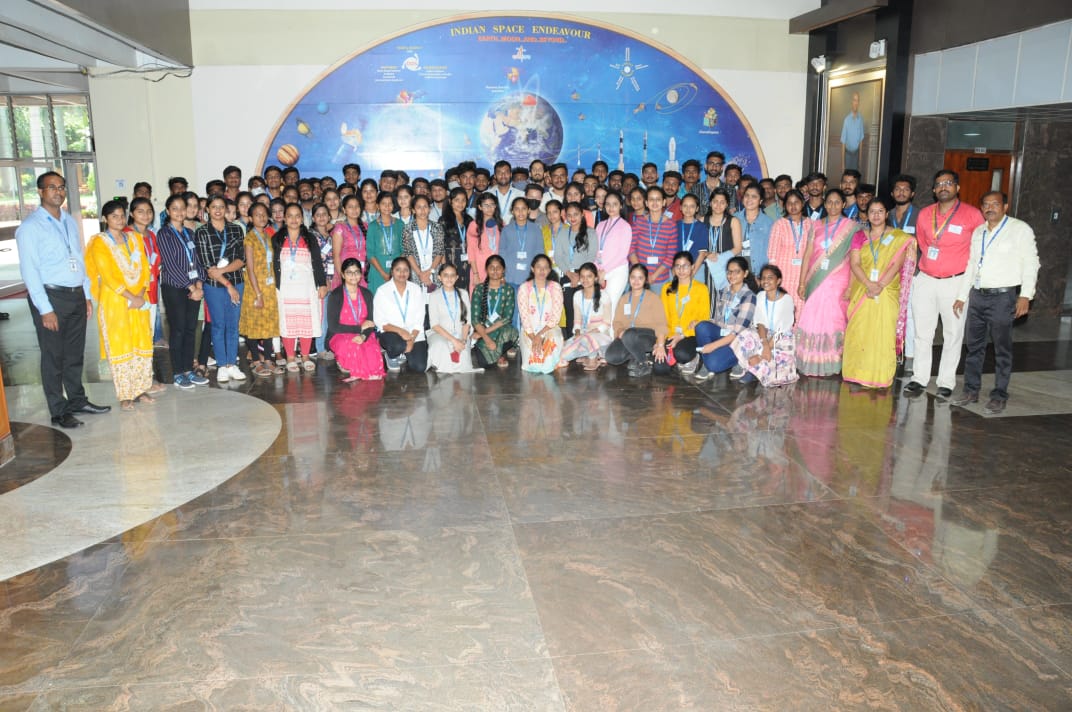
Industrial Visit – U R Rao Satellite Centre
Resource Person : Mr.Srinivas, Scientist.
Date : 22nd April 2022
III Year Students and Faculty of Department of Electronics and Communication Engineering visited U R Rao Satellite Centre, Bengaluru on 22/04/22
Venue : ISRO Satellite Centre, Bangalore-17
Target Participants : Third Year UG Students.
Faculty Accompanied : Dr. Gangadhar Reddy.R,Prof.Haritha.K.Sivaraman,
Prof.Santhosh.G, Prof.Chaitanya.S,Instructor Chaitra.
Outcome of the Program :
- Gained Knowledge of application of remote sensing in agriculture, weather monitoring,Disaster Recovery etc.
- To differentiate between PSLV and GSLV.
- Gained knowledge about TV Broadcast mechanism with the help of demo model.
- Gained knowledge about different Satellites.
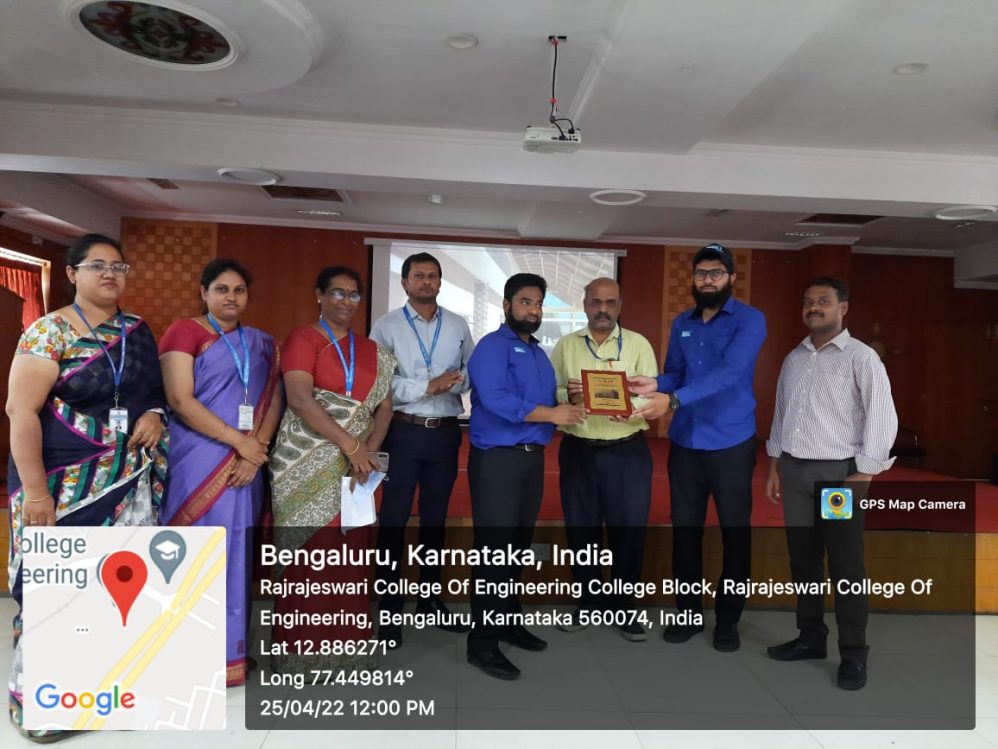
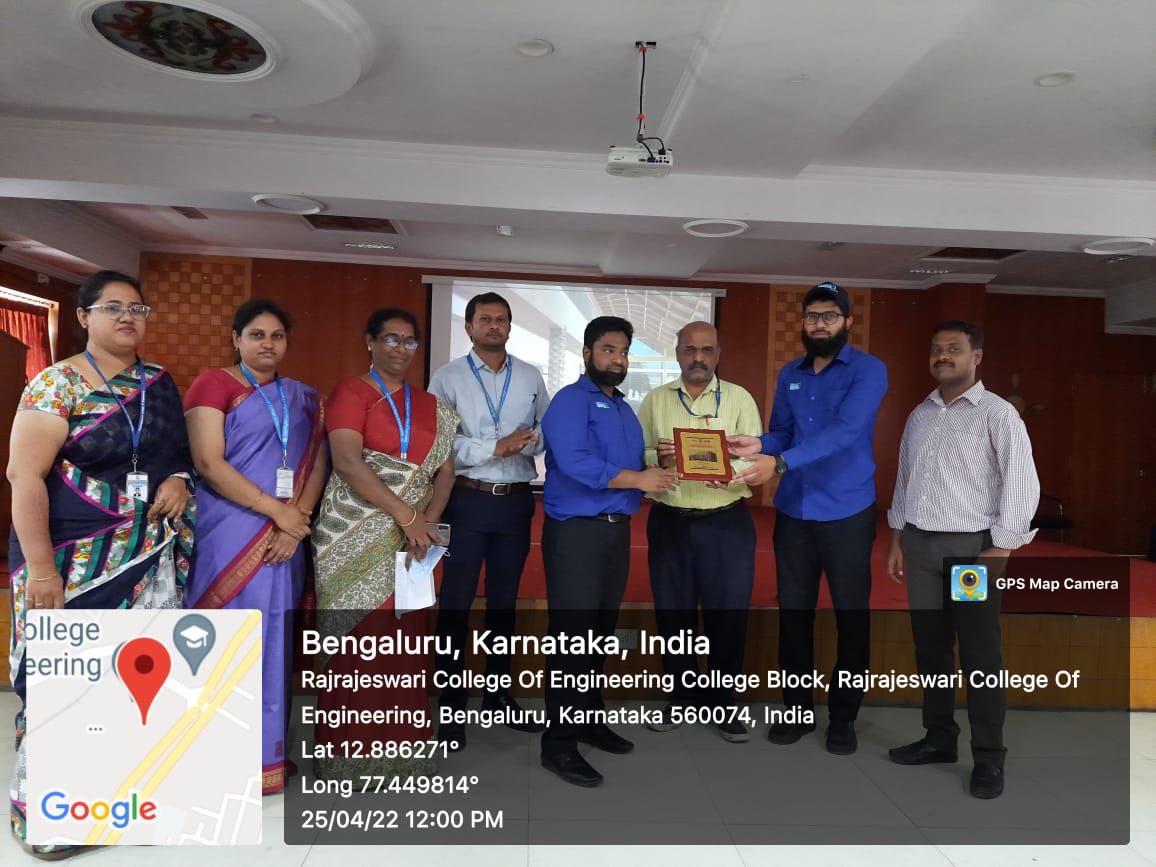
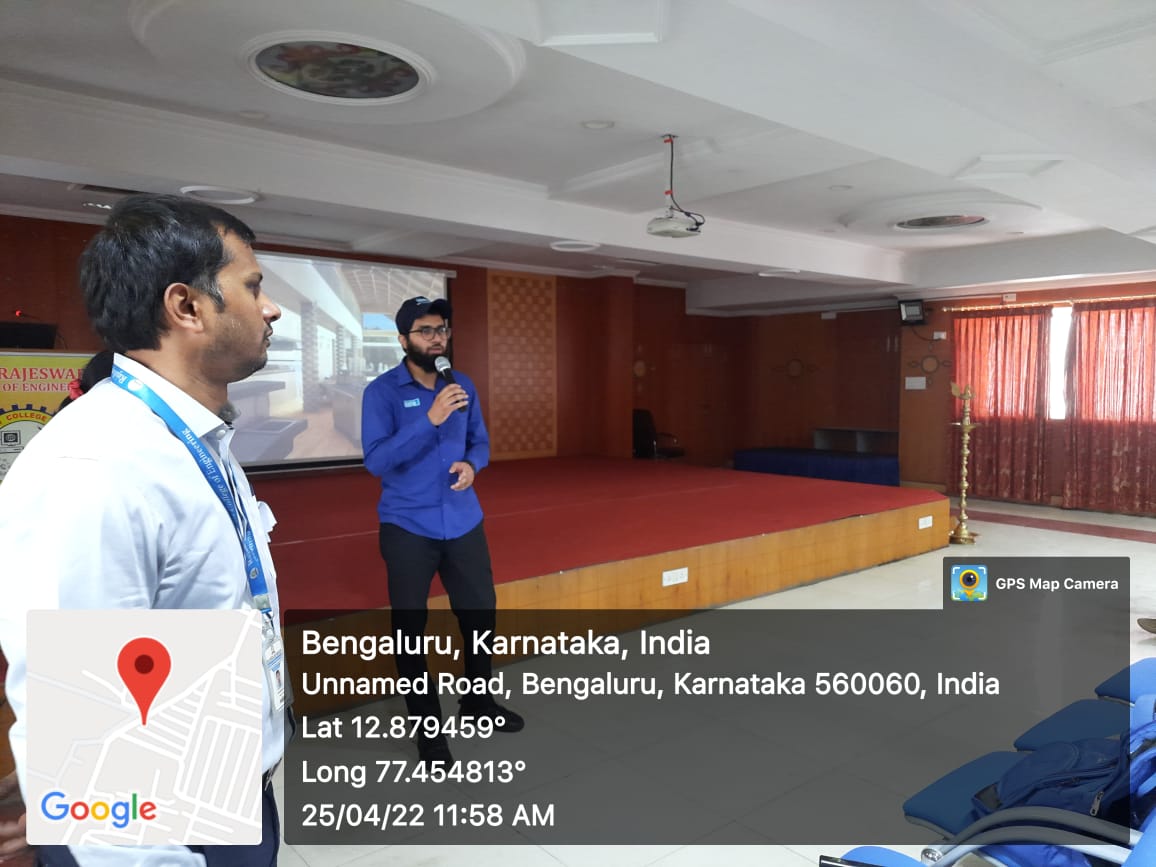
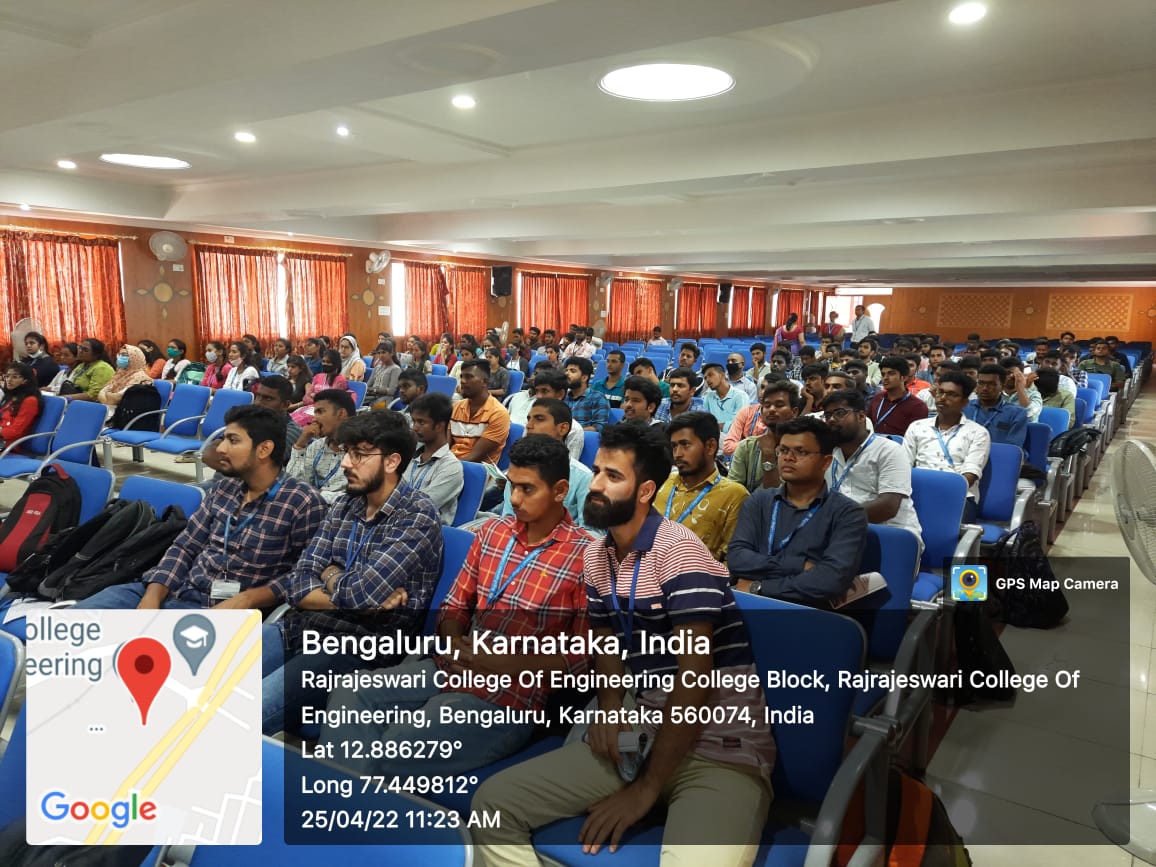
Technical Talk – 3D Modelling using BIM REVIT
Resource Person : Mr. Abdul Majeed, Lead Engineer, Delta T MEP, Technical Academy
Date : 25th April 2022
Time : 10:30 AM to 12.30 PM
Venue : APJ Abdul Kalam seminar hall, 2nd floor, RRCE.
Target Participants : : 6th and 8th semester UG students of Civil Engineering fields are invited to participate.
Outcome of the Program :
After attending the technical talk Students got an Knowledge about,
- Fundamentals of BIM
- Project Execution using BIM
- Generation of different views using REVIT
- Relevance of BIM in construction Industry
- Difference between Auto CADD and REVIT
World Book and Copyright Day

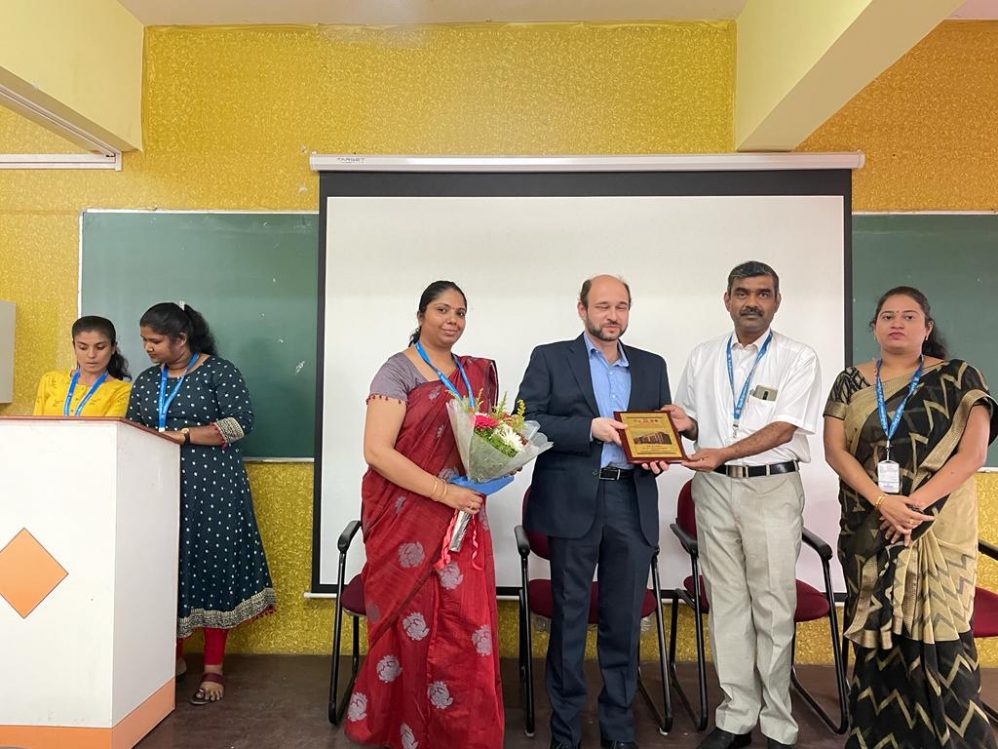
Seminar on Strategic Research Methodology & IPR
Date & Time:21/04/2022 (10:00AM To 11:30 AM)
Resource Person :Dr Girish Kunte
Company: TekIP Knowledge Consulting Pvt. Ltd.
Target Participants : 60
Designation: Senior Program Manager along with respected Dr.T.Chandrashekar (Principal RRCE ),Dr.Neha Singhal (Head of the department Master of Computer Application) , Prof.Deepa K and all the students of MCA of RRCE
Outcome of the Program :
- identify a good research problem
- produce a research problem
- write a good report on literature search
- apply appropriate tools for analysing data collection
- produce an original report of research by understanding the IPR


Earth Day
National Civil Service Day
World Heritage Day
World Haemophilia Day
World Art Day 2022
National Safe Motherhood Day
National Pet Day
World Homeopathy Day

World Health Day 2022
SDP on Android Application Development
Resource Person : Mr.Sridhar Srivin,Associate Software Engineer,
Inventure Technologies, Bangalore
Date : 03rd APR – 07th APR 2017
Time : 10.00 AM to 04.00 PM
Venue : CSE Smart Room
Target Participants : CSE Students and Faculties (Around 150 Participants)
Topics covered :
- Introduction to Android Technology and Architecture
- Android Studio basics
- Android Project Structure explanation and emulator, Android 4 components and Building Blocks.
- Android Layouts and UI Control.
- Activity Life cycle
- Android Samples Projects
- App on Fragments (Fragment life cycle)
- App on Google Maps, Location services, Google places add-ons
- Broadcast Receivers and Services Ex: SMS receiver etc
- App with Rest API integration and Json Parser with free ware api support
- Android Sample app about SQLITE database
SDP on JAVA Programming
Resource Person : Mr.Mohammed Hafeez Ur Rahman, Assistant Professor/CSE
Date : 28th AUG – 01st SEP 2017
Time : 10.00 AM to 04.00 PM
Venue : CSE Seminar Hall
Target Participants : CSE Students and Faculties (Around 100 Participants)
Topics covered :
- Significance of Java, Data types, Operators, Control Statements.
- Object Oriented Programming Paradigm Constructs: Class, Object, Constructor and Method.
- Inheritance
- Exception Handling Mechanism
- Multithreading
- Collection Framework Overview
- GUI Development
- JDBC Introduction
SDP on Advance Computer Networks & Security
Resource Person : Dr.K.Karthideepan, ASP/CSE, KLU,
Dr.M.Pallikonda Raja Sekaran, Prof/CSE, KLU
Date : 27th FEB – 03rd MAR 2017
Time : 10.00 AM to 04.00 PM
Venue : CSE Seminar Hall
Target Participants : CSE Students and Faculties (Around 120 Participants)
Topics covered :
- Network Architectures
- Local Area Network Technologies Internet working
- TCP Details
- IP &System Security
- Practical based on packet tracer tool
SDP on Intelligent Computing Techniques in Data Mining & Image Processing
Resource Person : Dr.D.Devaraj, Senior Professor & Dean, EEE, KLU
Date : 19th FEB – 23rd FEB 2018
Time : 10.00 AM to 04.00 PM
Venue : CSE Seminar Hall
Target Participants : CSE Students and Faculties (Around 100 Participants)
Topics covered :
- Data analytics methods on Correlation, Regression, Multiple regression, Logistic regression, Factor analysis and emotional intelligence.
- The theme of the program also highlights on overview of Big Data Analytics, Data Mining and its associated techniques like Association analysis, Classification and Clustering algorithms.
- Fundamentals of Image Processing.
- Object Tracking.
- Digital Image Filtering.
- Image Processing with basic operations.
- Classical to soft computing Approaches.
- Deep learning concepts. Applications of Deep learning in Image Processing.
- Hardware Design concepts for machine learning algorithms.
- Challenges and Advancements in Data mining and Image Processing.
- Hands-on Experiences in WEKA, MATLAB, and other associated tools.
SDP on Cloud Computing and Network Security
Resource Person : Dr.Peturaj Chelliah, Chief Architect, Reliance Jio, Bangalore
Date : 11th FEB – 15th FEB 2019
Time : 10.00 AM to 04.00 PM
Venue : CSE Seminar Hall
Target Participants : CSE Students and Faculties (Around 160 Participants)
Topics covered :
- Misconfigurations of cloud security settings are a leading cause of cloud data breaches …
- Unauthorized Access. …
- Insecure Interfaces/APIs. …
- Hijacking of Accounts. …
- Lack of Visibility. …
- External Sharing of Data. …
- Malicious Insiders. …
- Cyber attacks
- Denial of Service Attacks
- Protecting the Cloud
SDP on Internet of Things and its Applications
Resource Person : Mr.Supreeth, CEO, Founder, Tequed Lab, Bangalore
Date : 03rd May – 08th May 2021
Time : 10.00 AM to 04.00 PM
Venue : Online Platform
Target Participants : CSE Students and Faculties (Around 170 Participants)
Topics covered :
- Arduino Software Introduction, Arduino Uno Introduction, Actuators Interfacing Part – 1
- Actuators Interfacing Part – 2, Sensors Interfacing Part – 1, Sensors Interfacing Part – 2
- Node MCU Programming, Internet of Things and its Applications
- Rasberry pi OS Installation, Sensors Interfacing with Rpi, Actuators Interfacing with Rpi
- SQLite on Rasberry pi Projects, Artificial Intelligence in IoT, An Overview of IoT Hardware Circuit Design using Tinkercad Online simulation tool
- Security and Privacy in Internet of Things, Assessment
SDP on Introduction to Machine Learning
Resource Person : Mrs.T.Subha, Associate Professor/IT, SSEC
Date : 17th FEB – 22nd FEB 2020
Time : 10.00 AM to 04.00 PM
Venue : CSE Seminar Hall
Target Participants : CSE Students and Faculties (Around 170 Participants)
Topics covered :
- Introduction to Linear Algebra, Machine Learning and its use in research, Overview of Machine Learning, Utility, classification of ML systems, example of applications
- Introduction to Jupyter Notebook and Google Colab
- Supervised vs. Unsupervised Learning, Linear Regression with one variable (and any associated topic).
- Introduction to Python, NumPy and Pandas
- Gradient Descent
- Data visualization, Data pre-processing (handling missing data, data cleaning, transformation), Implementation of Gradient Descent
- Linear Regression with multiple variables
- few examples of Linear Regression using Python
- Logistic Regression
- few examples of Logistic Regression using Python
- Good Practices in Machine Learning (Special Session) Participants will be given time to prepare assignment
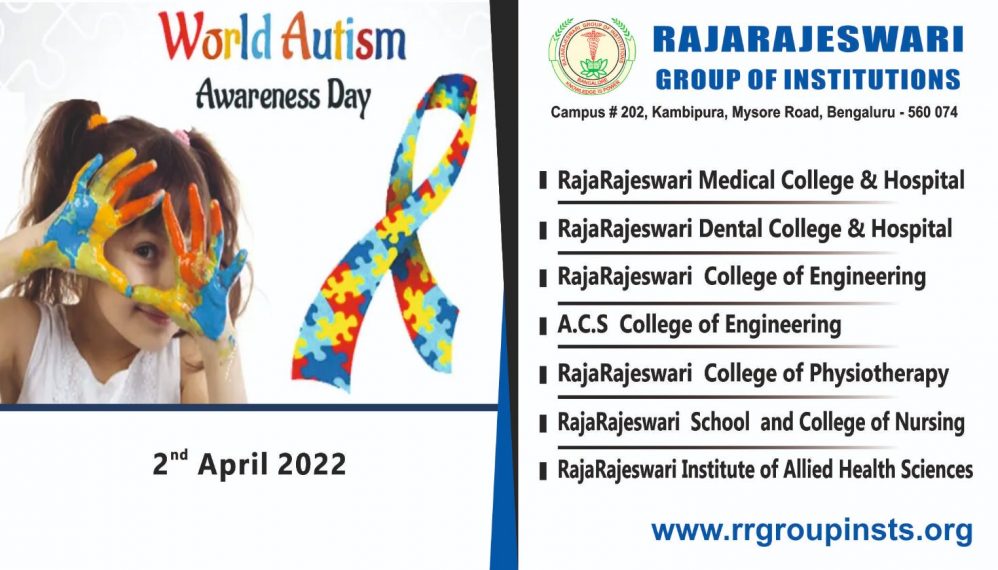
World Autism Awareness Day
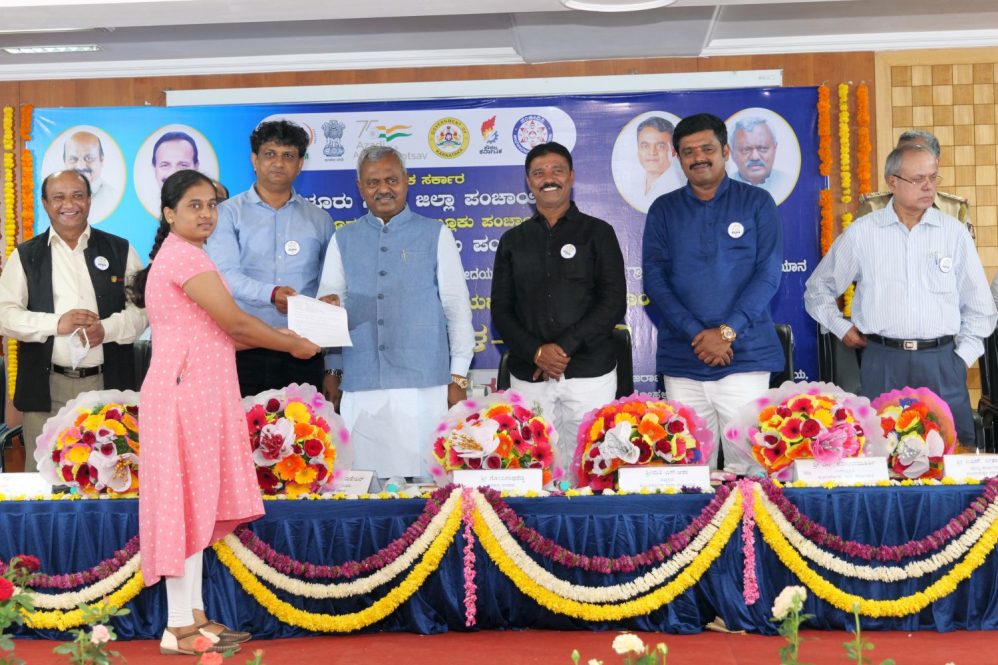
Job Fair – 2022 at RRCE
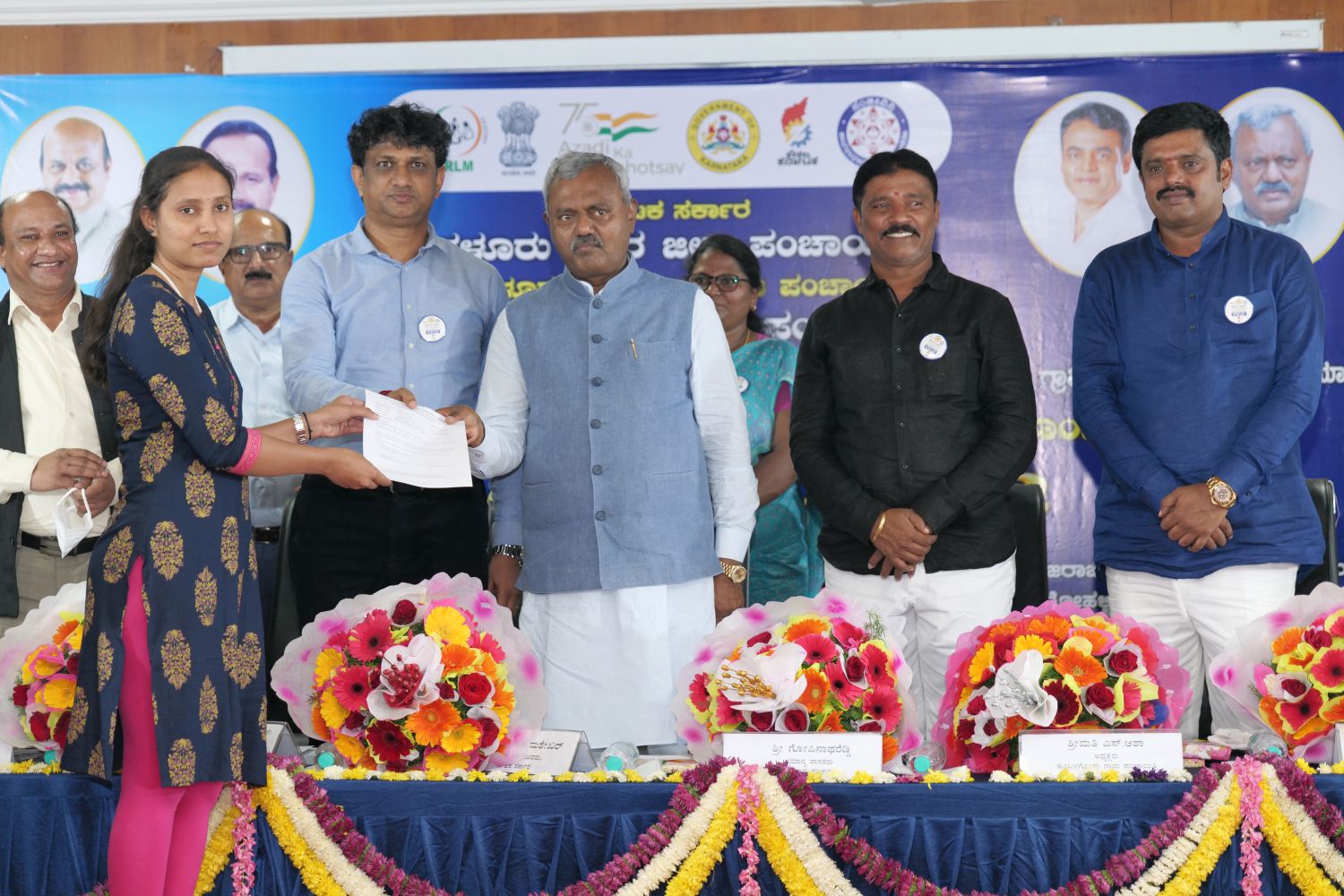
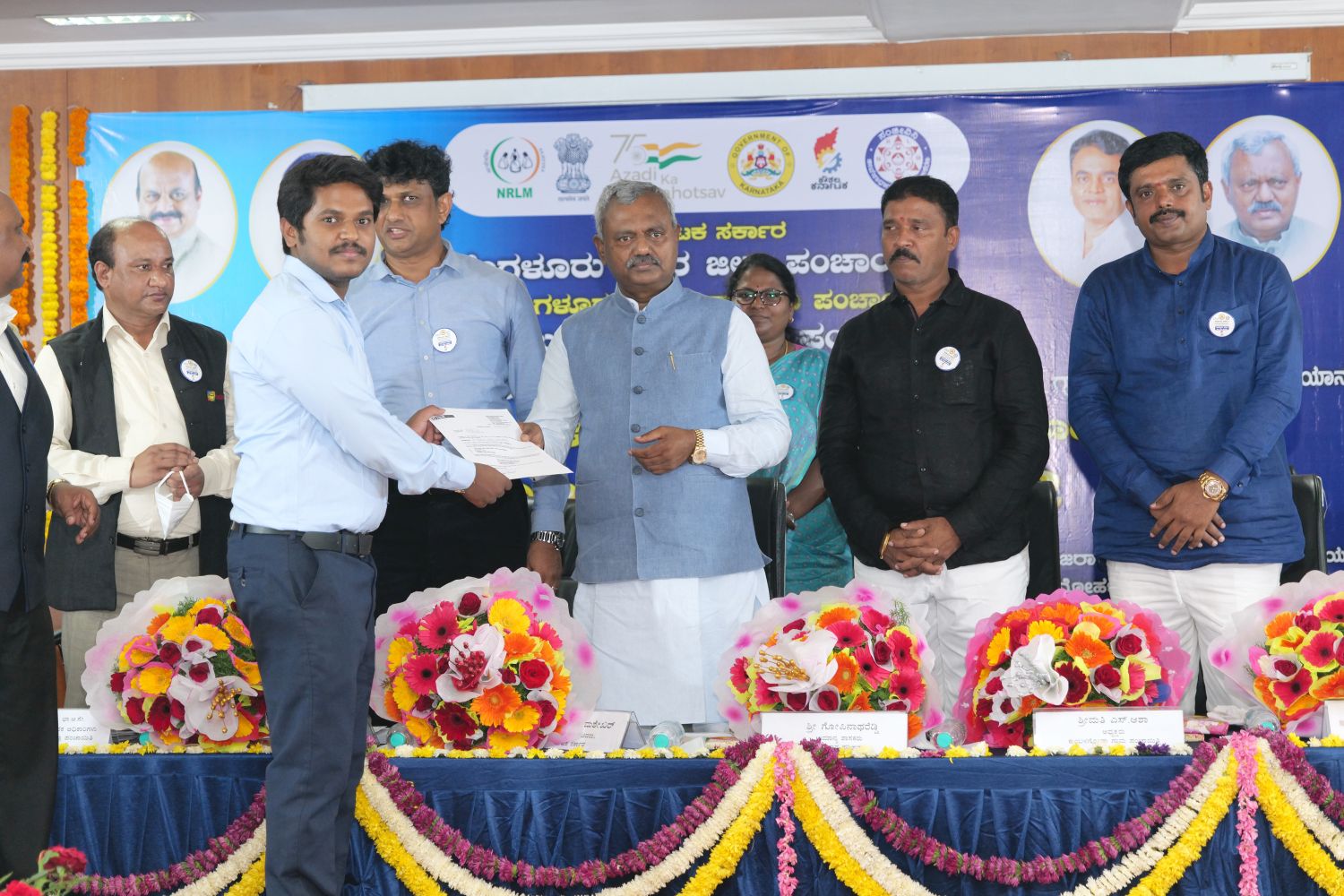
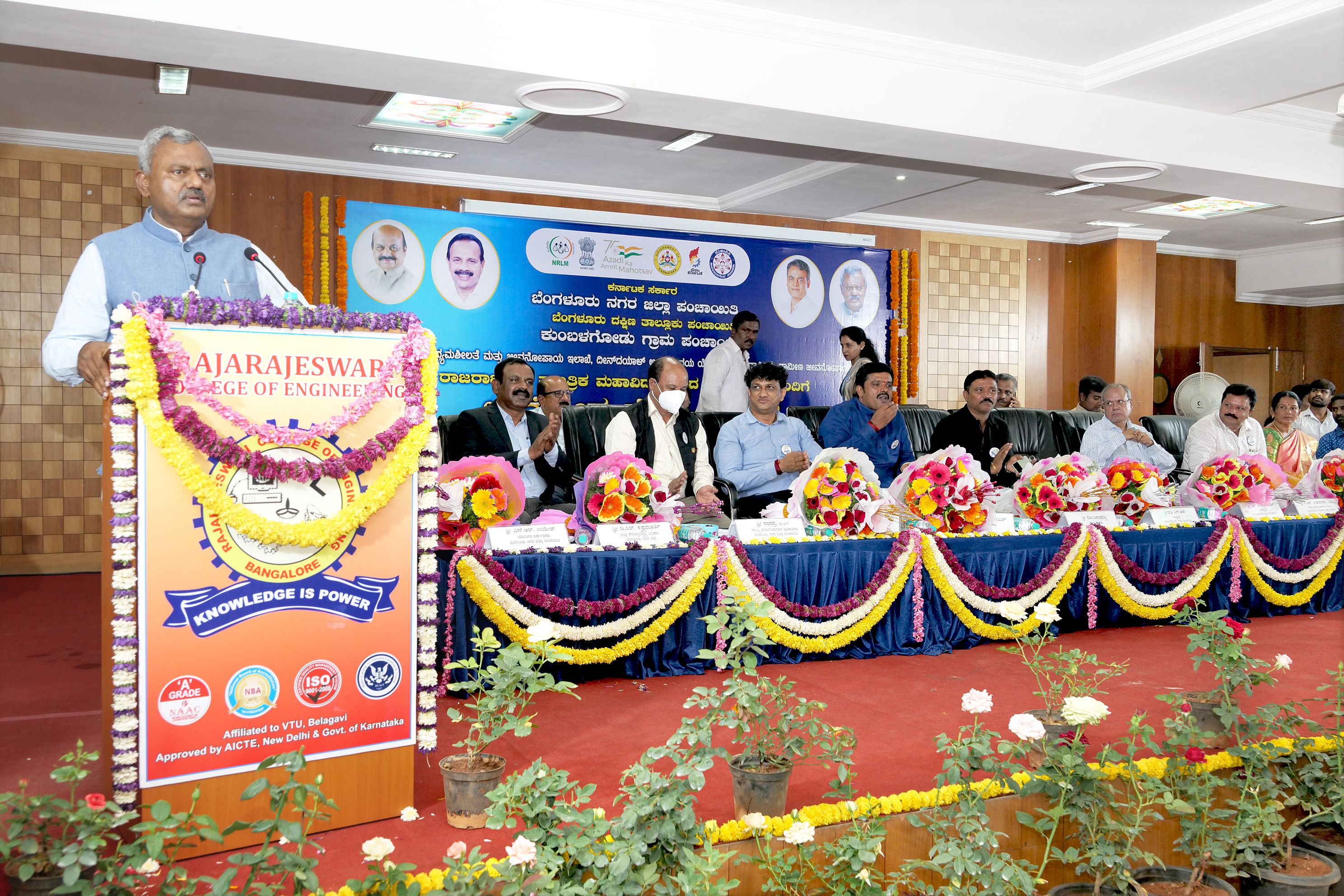
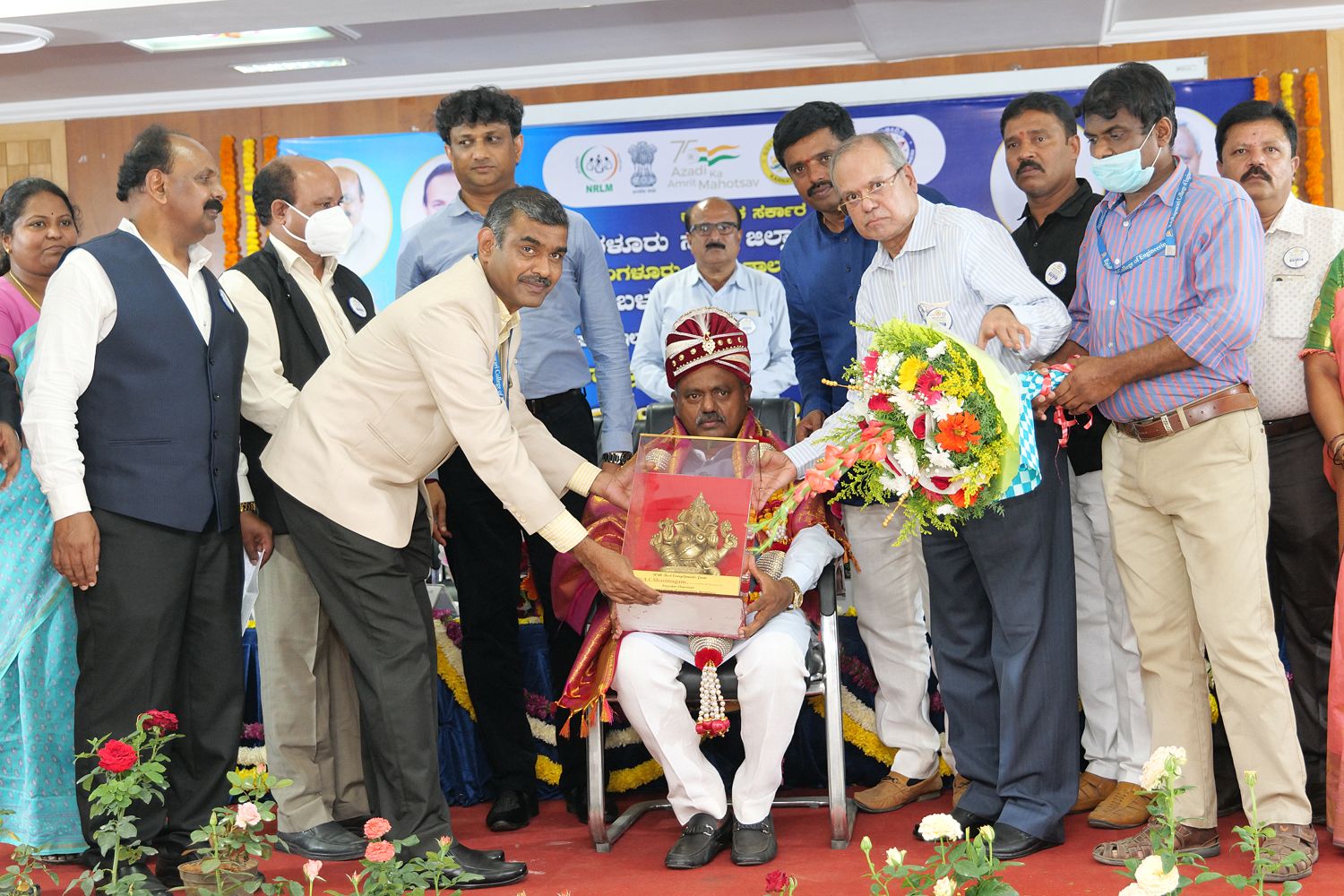
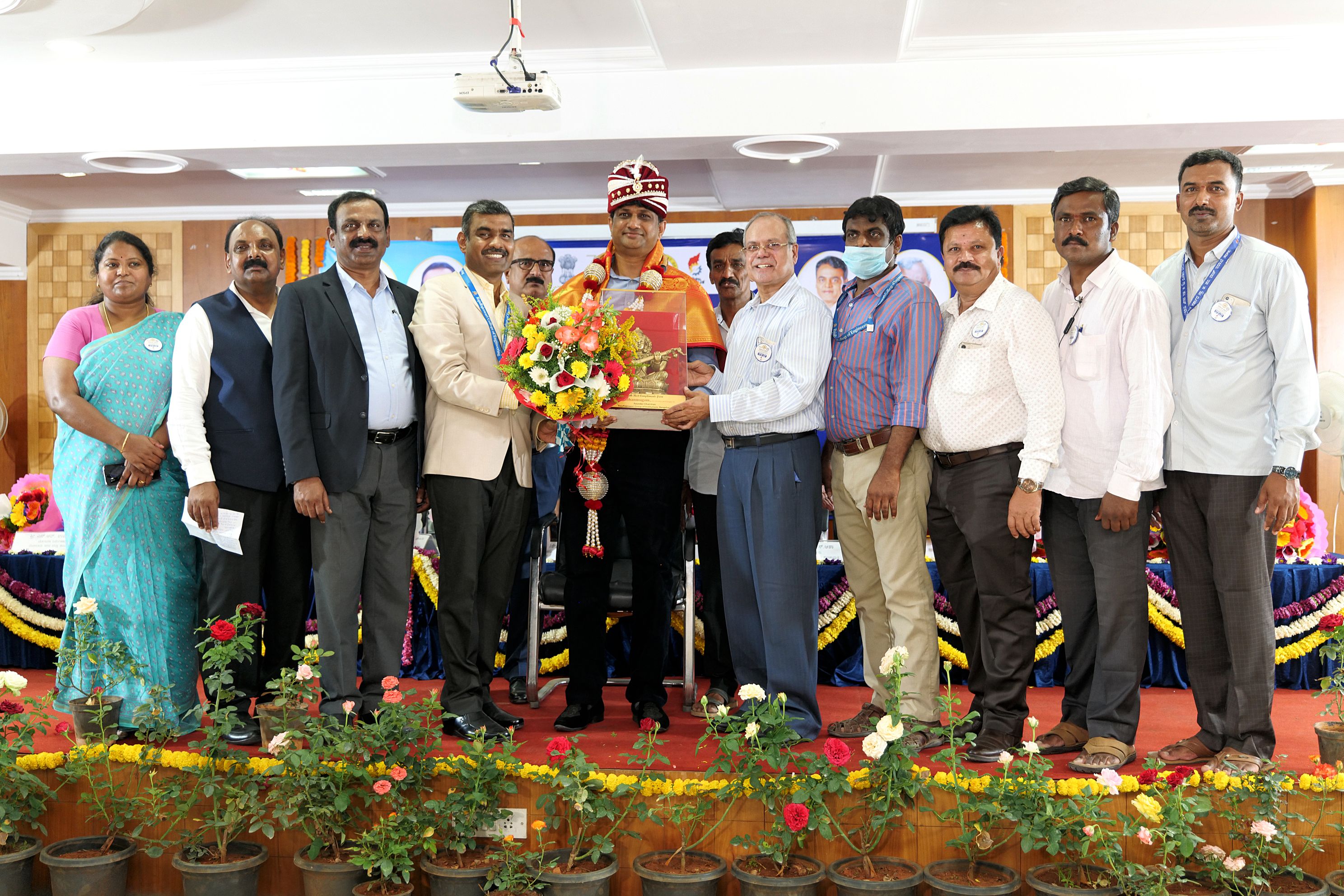
Bengaluru Urban Zilla Panchayath, Bengaluru South Taluk Panchayat, Kumbalagodu Grama Panchayat, Skill Development, Entrepreneurship and Livelihood Department, Deen Dayal Upadhyaya Grameen Kaushalya Yojana in association with RajaRajeswari College of Engineering has organized Job Fair – 2022 at RajaRajeswari College of Engineering Campus, Mysore Road, Bengaluru.
The Job Fair 2022 was inaugurated by Sri. S. T. Somashekhar, Minister for Co-Operation of Govt. of Karnataka, Bengaluru Urban DC Sri. J Manjunath, and Mrs. S Asha, Kumabalagodu, Grama Panchayath President. The occasion was also graced with the presence of Dr. A C Shanmugham, Chairman, RajaRajeswari Group of Institutions, Dr. S Vijayanand, Executive Director, Sri C N Seetharam, CEO, RRGI and Dr. T Chandrashekar, Principal, RajaRajeswari College of Engineering.
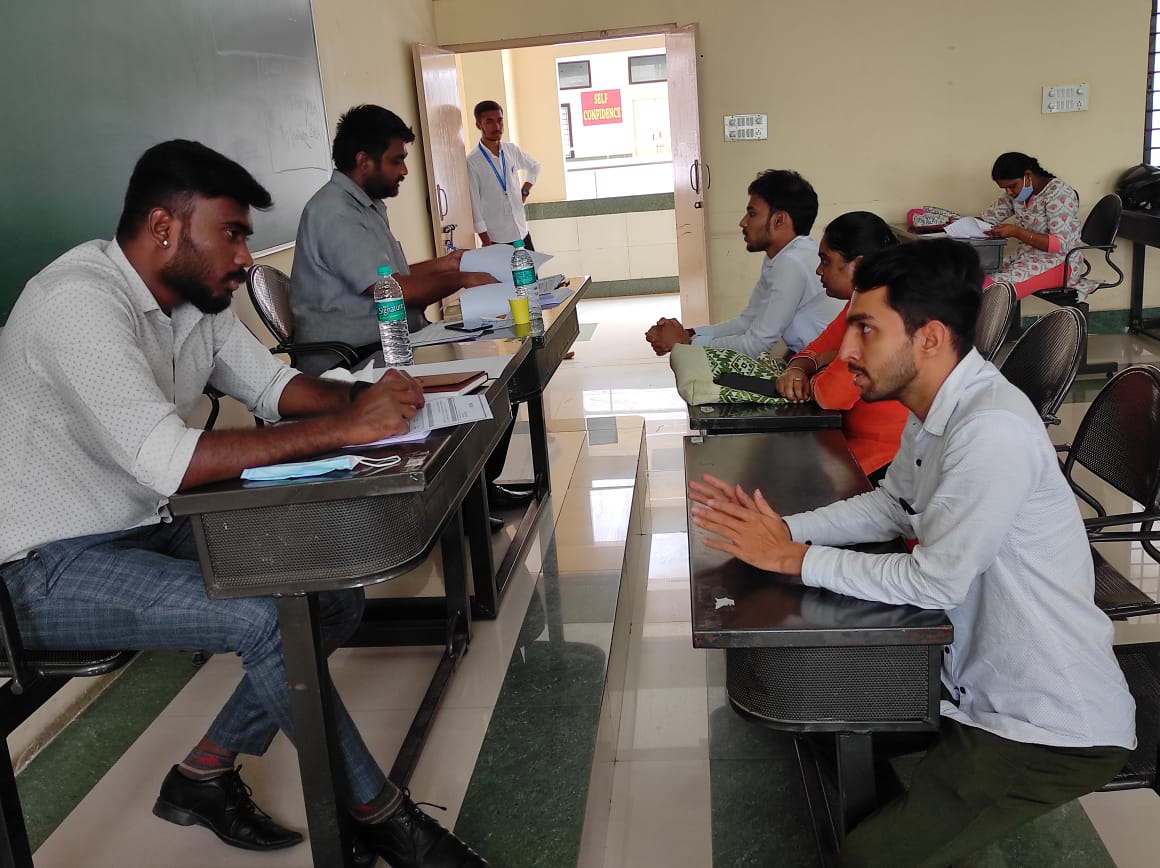
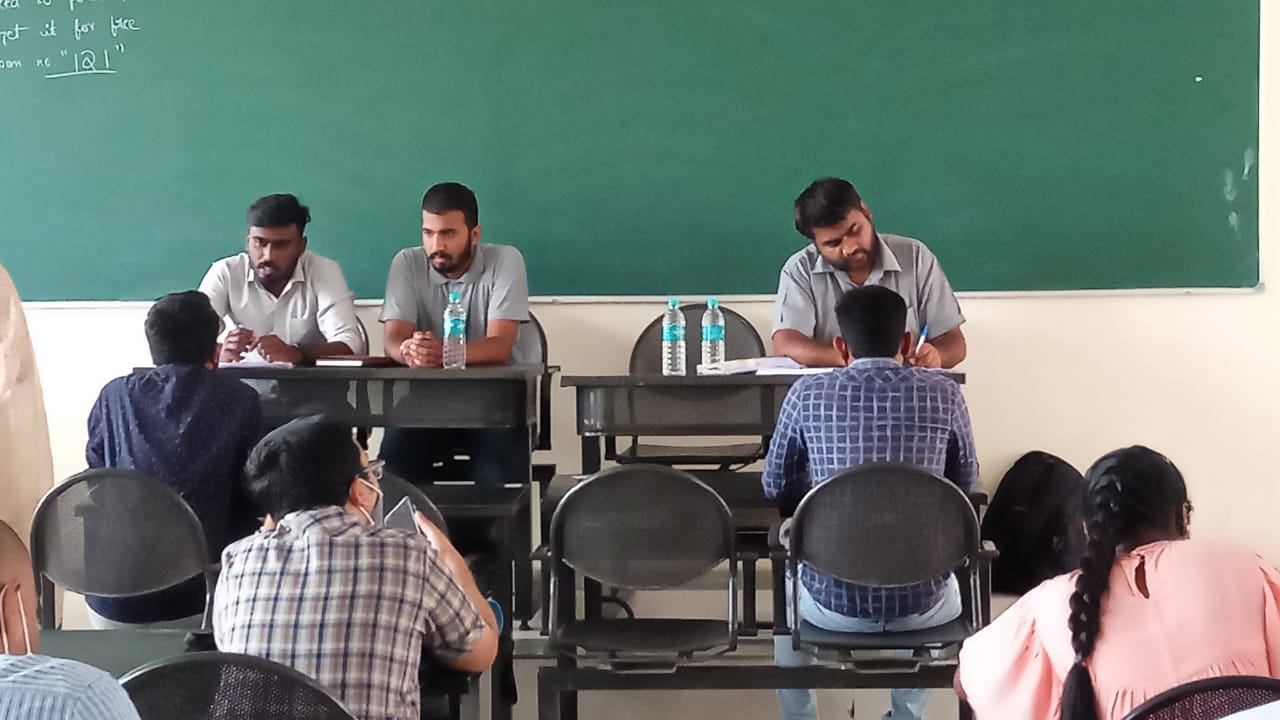
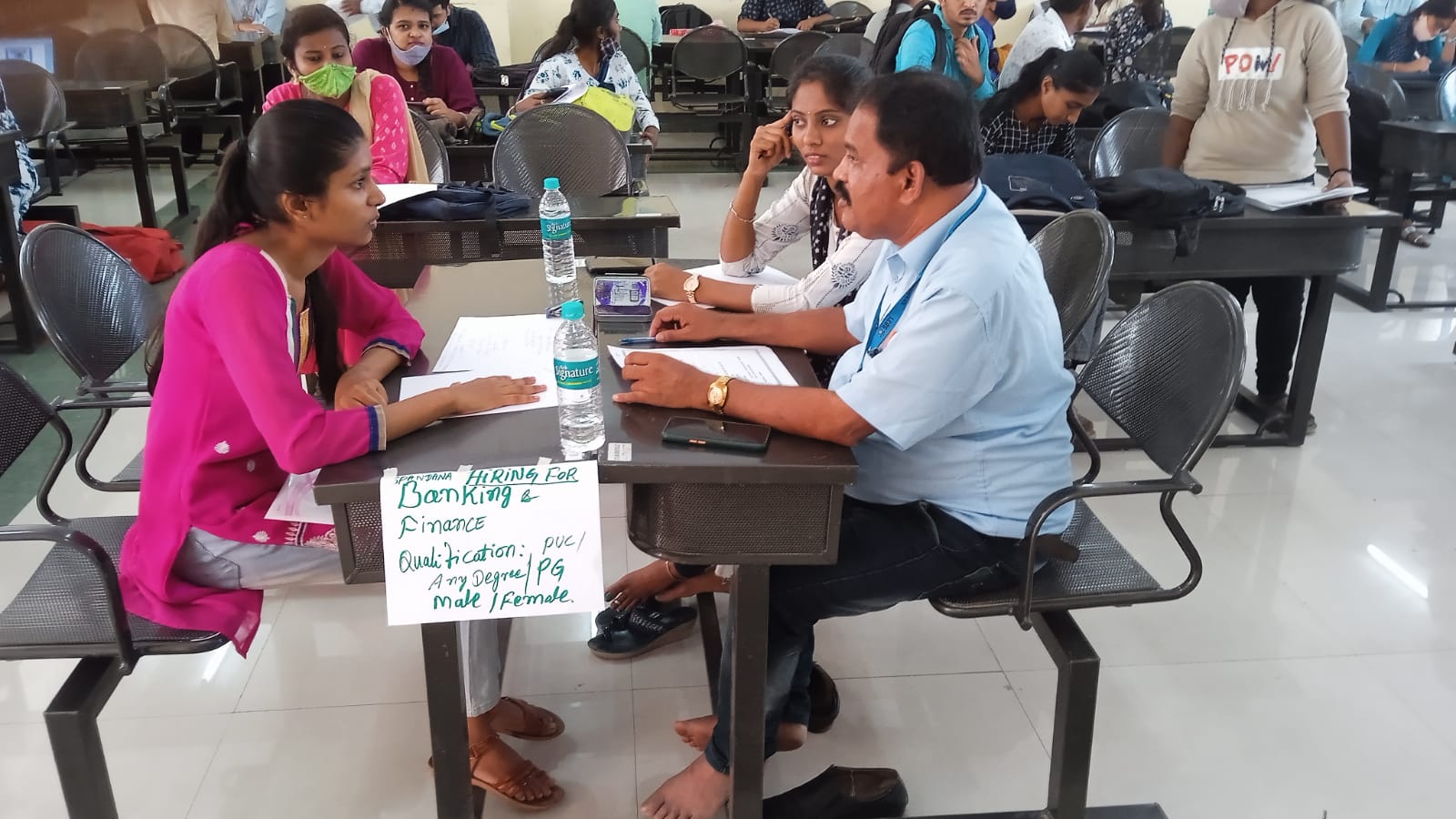
Job Fair 2022 was for all the candidates who completed SSLC, PUC, Degree and Master Degree courses. Over 100+ public and private sector institutions participated and were overwhelmed by the response of jobseekers from across the region. More than 800 students shortlisted out of 2500 registered candidates walk in to the placements in Job Fair. More than 500+ jobs were offered during the Job Fair. More than 100 companies participated in the Job fair including Eureka Forbes, Reliance, Bigbasket.com, Pinnacle Infotech, The Muthoot Group, HDFC Bank, HDB Financial Services, Axis Bank, NIIT (ICICI Bank), UTL Technologies Ltd, Team Lease EDTECH.
World Theatre Day
Report on Dr.Sreenivasalu Reddy, NPTEL Course material translation
Dr.N.Sreenivasalu Reddy, Associate Professor, Department of Robotics and Automation Engineering has translated course material for National Programme on Technology Enhanced Learning (NPTEL) on the following subjects
More Details: Dr Sreenivasalu Reddy NPTEL course translation report
Sports meet during Republic day 2023
World Tuberculosis Day
World Meteorological Day
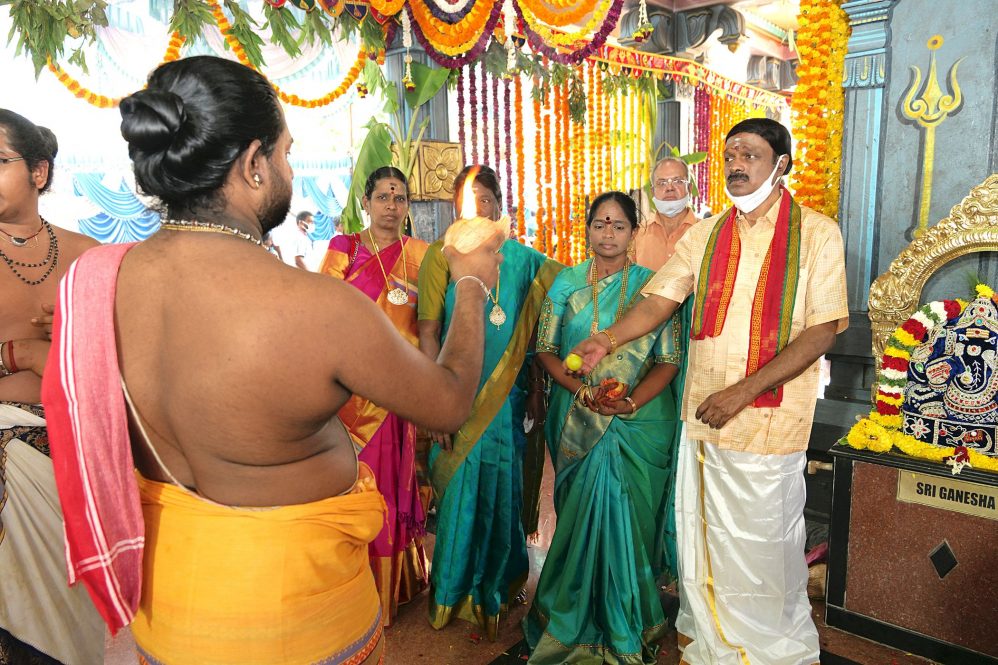
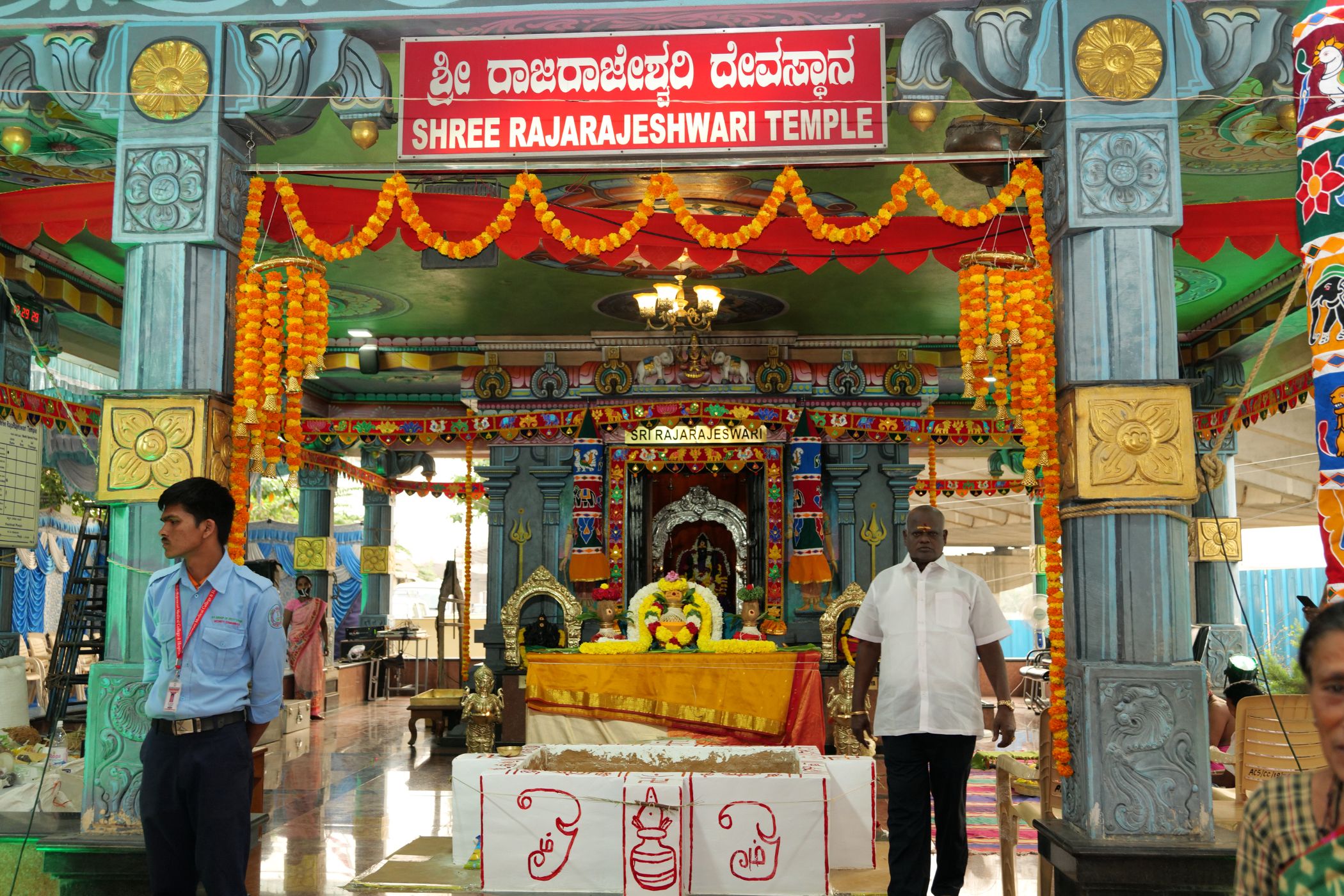
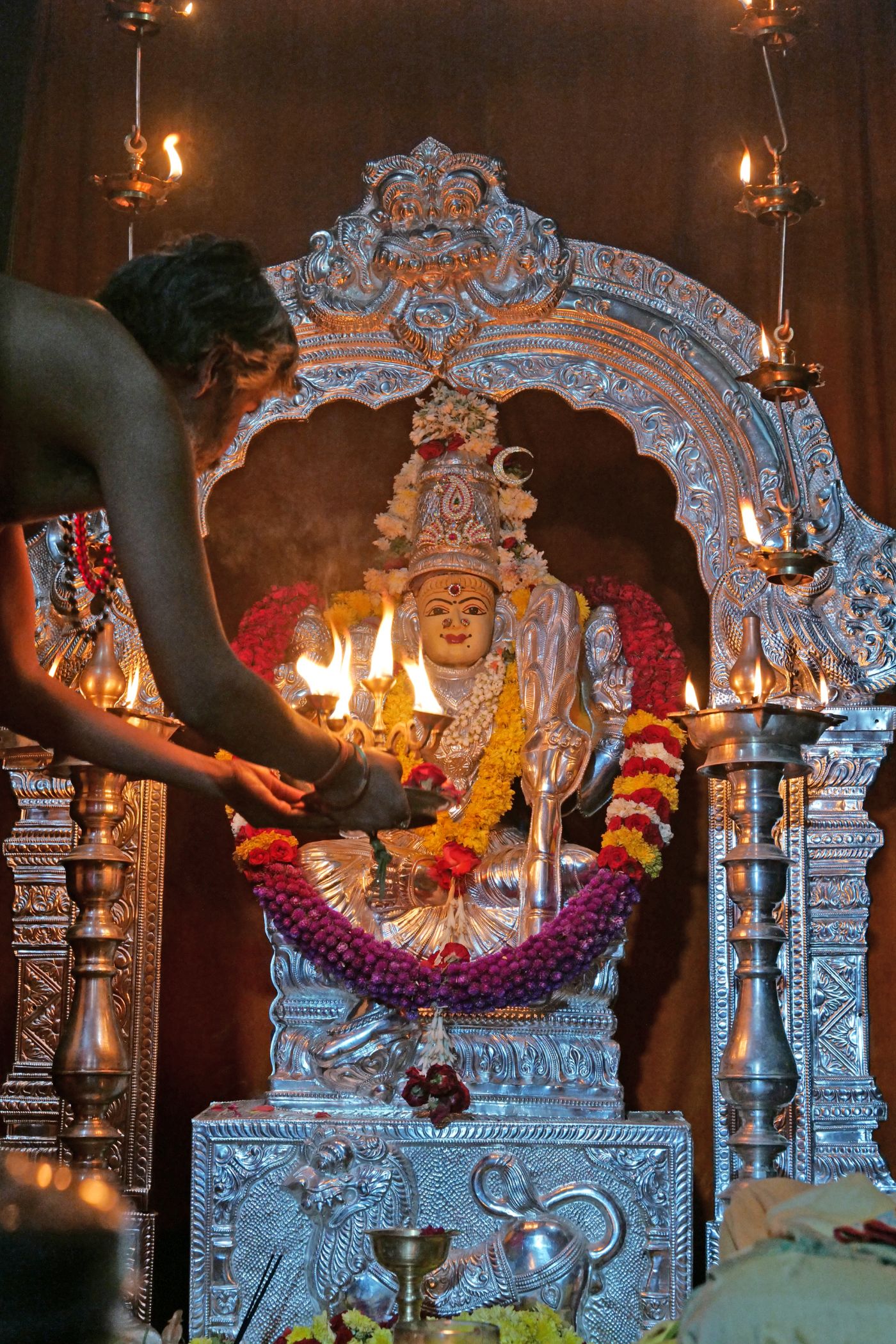
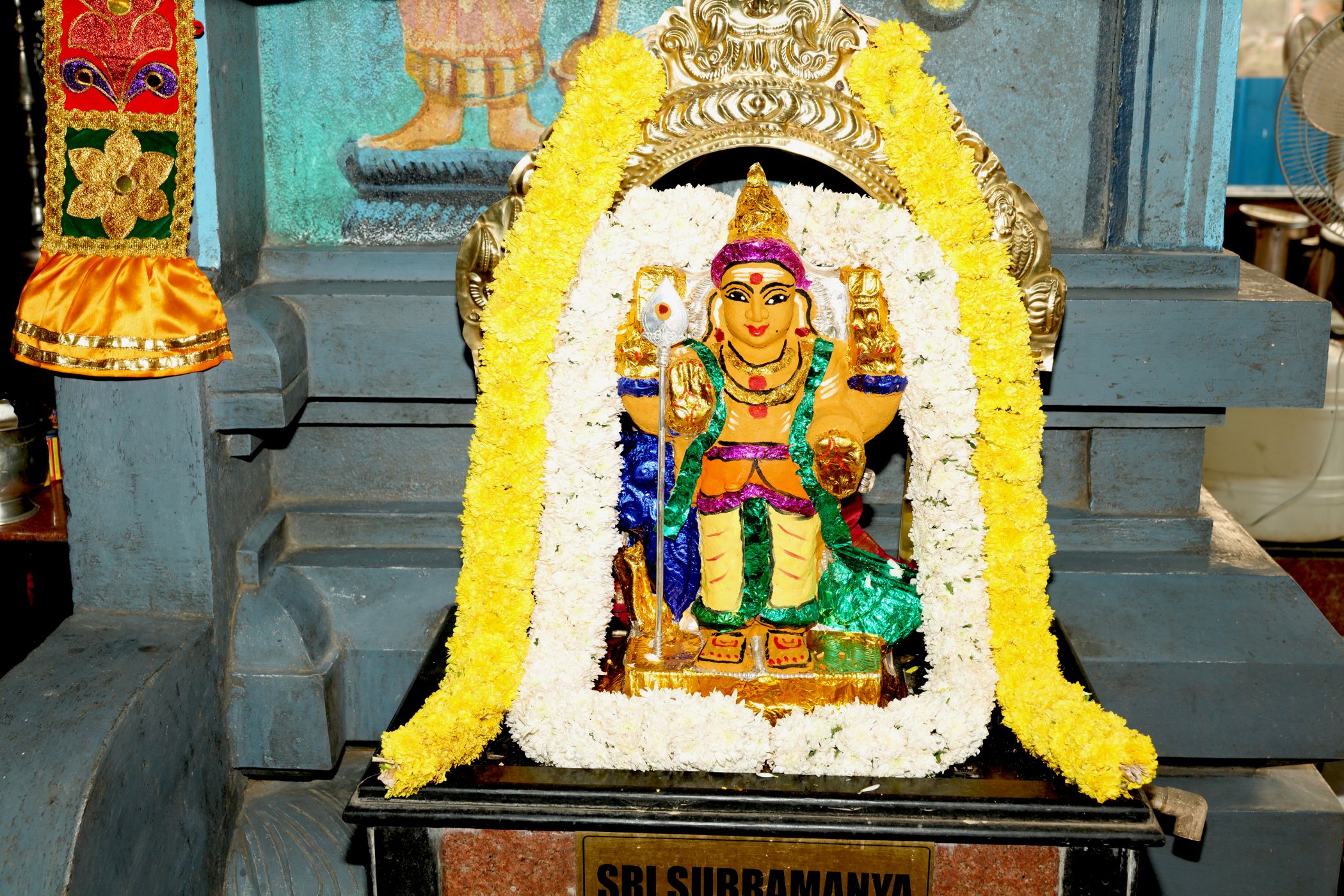
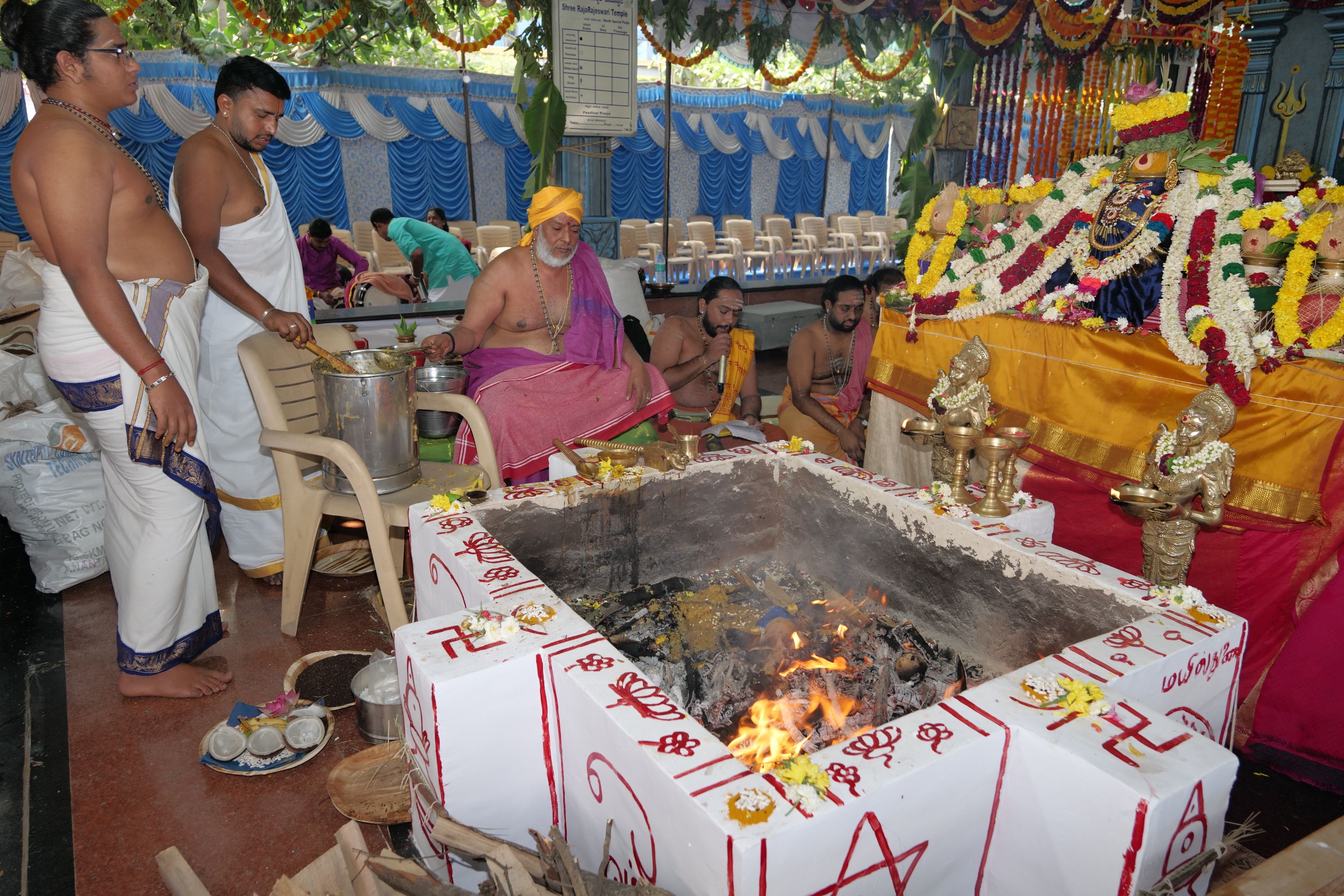
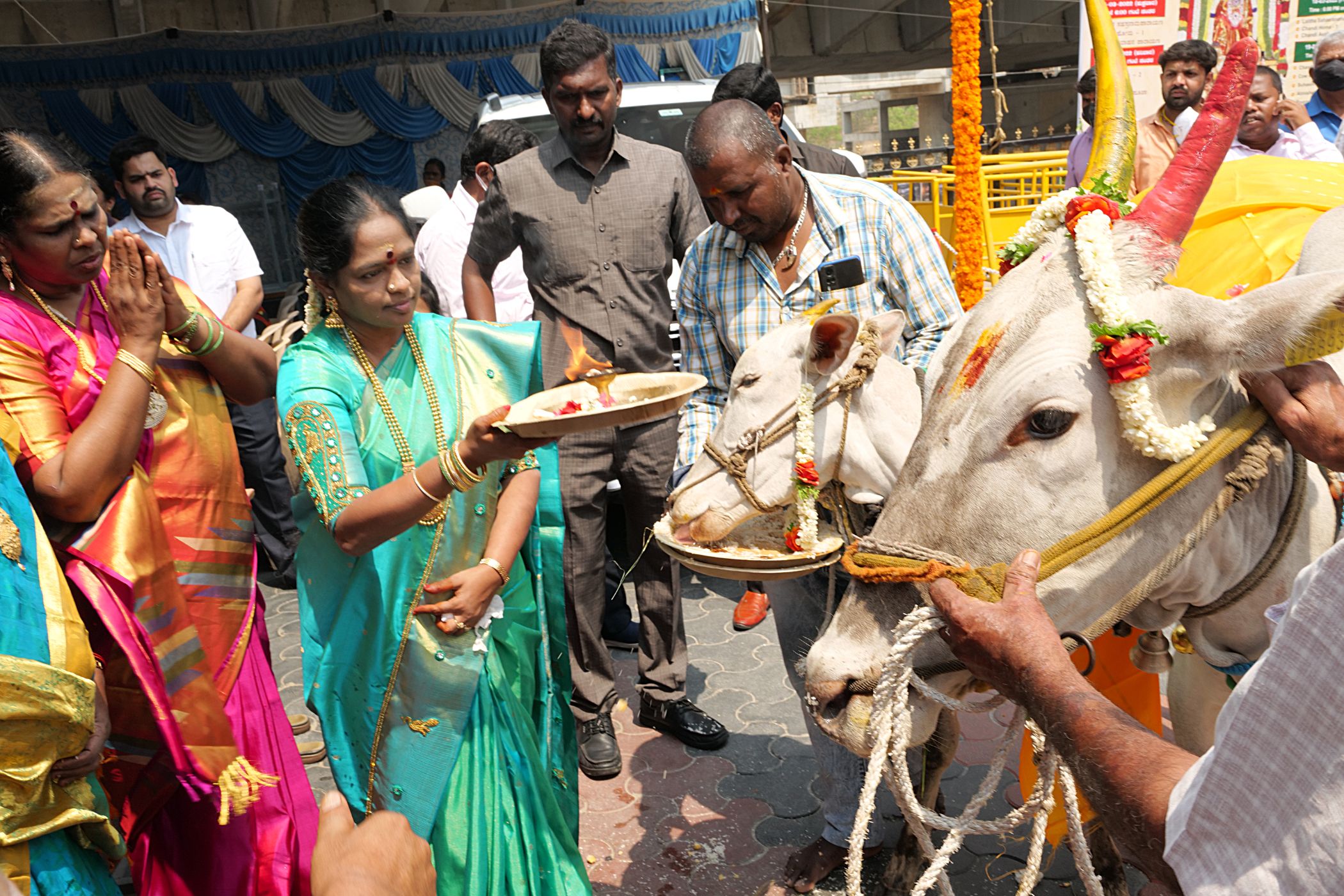
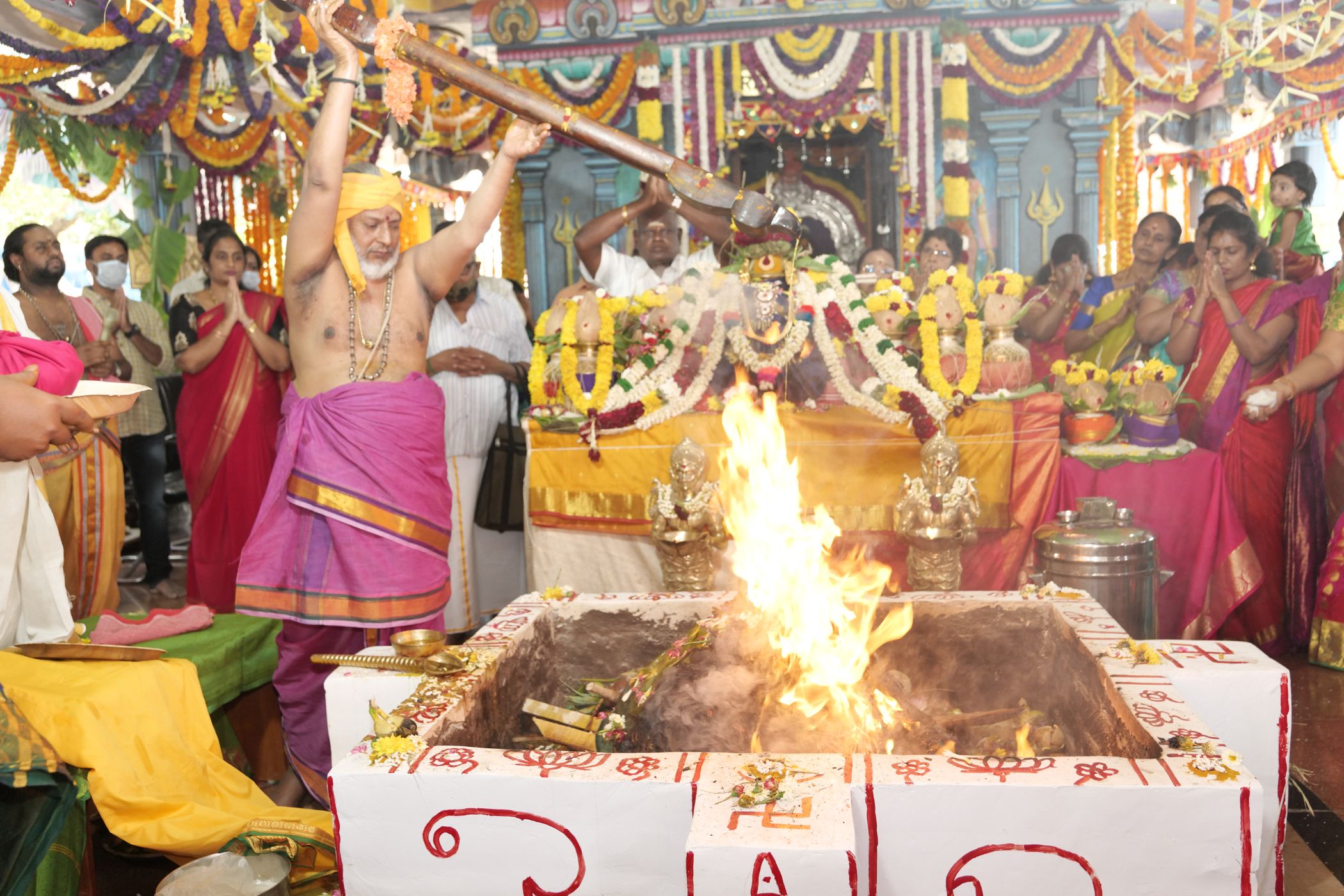
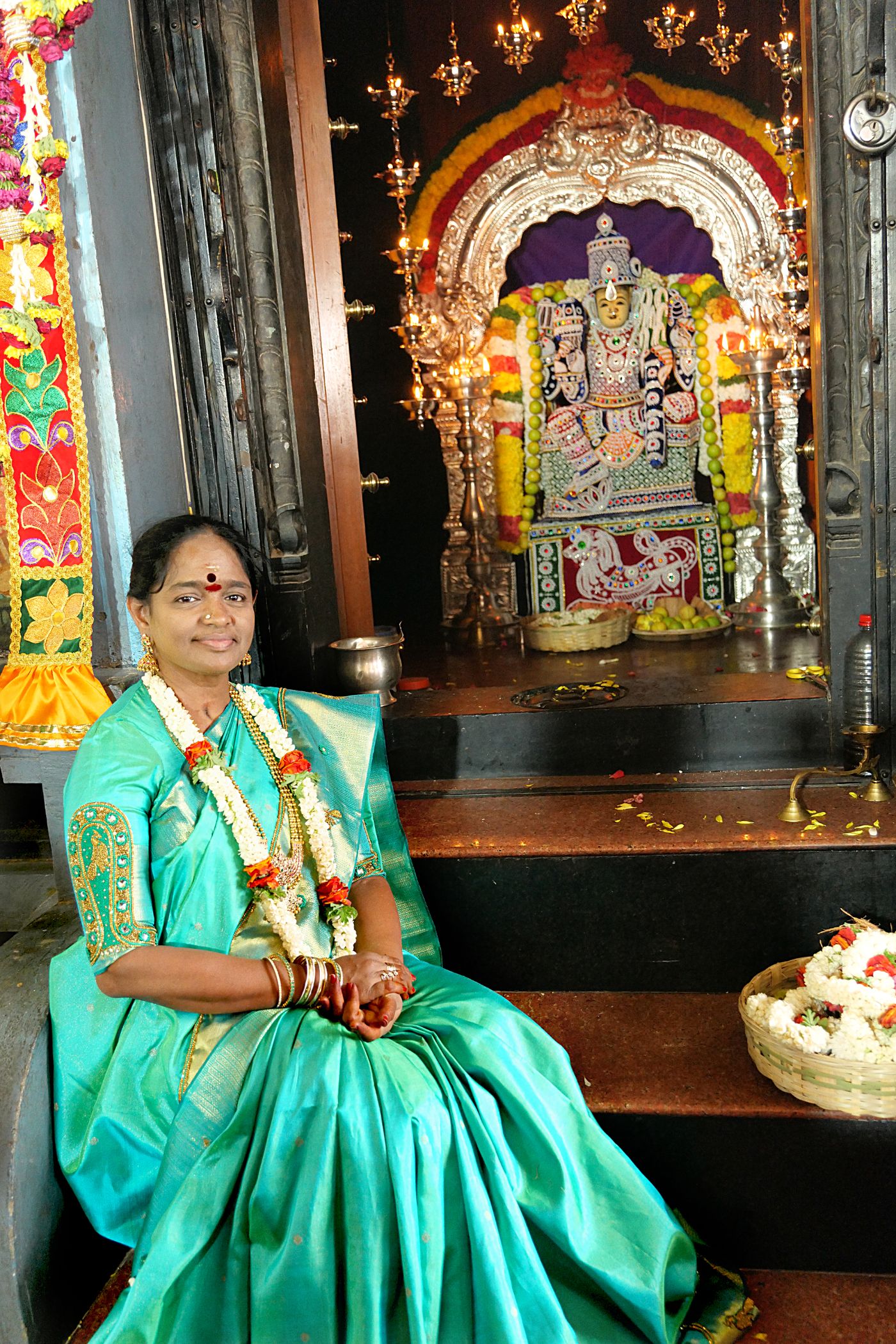
8th Varushabhishekam of Sri Rajarajeswari Temple
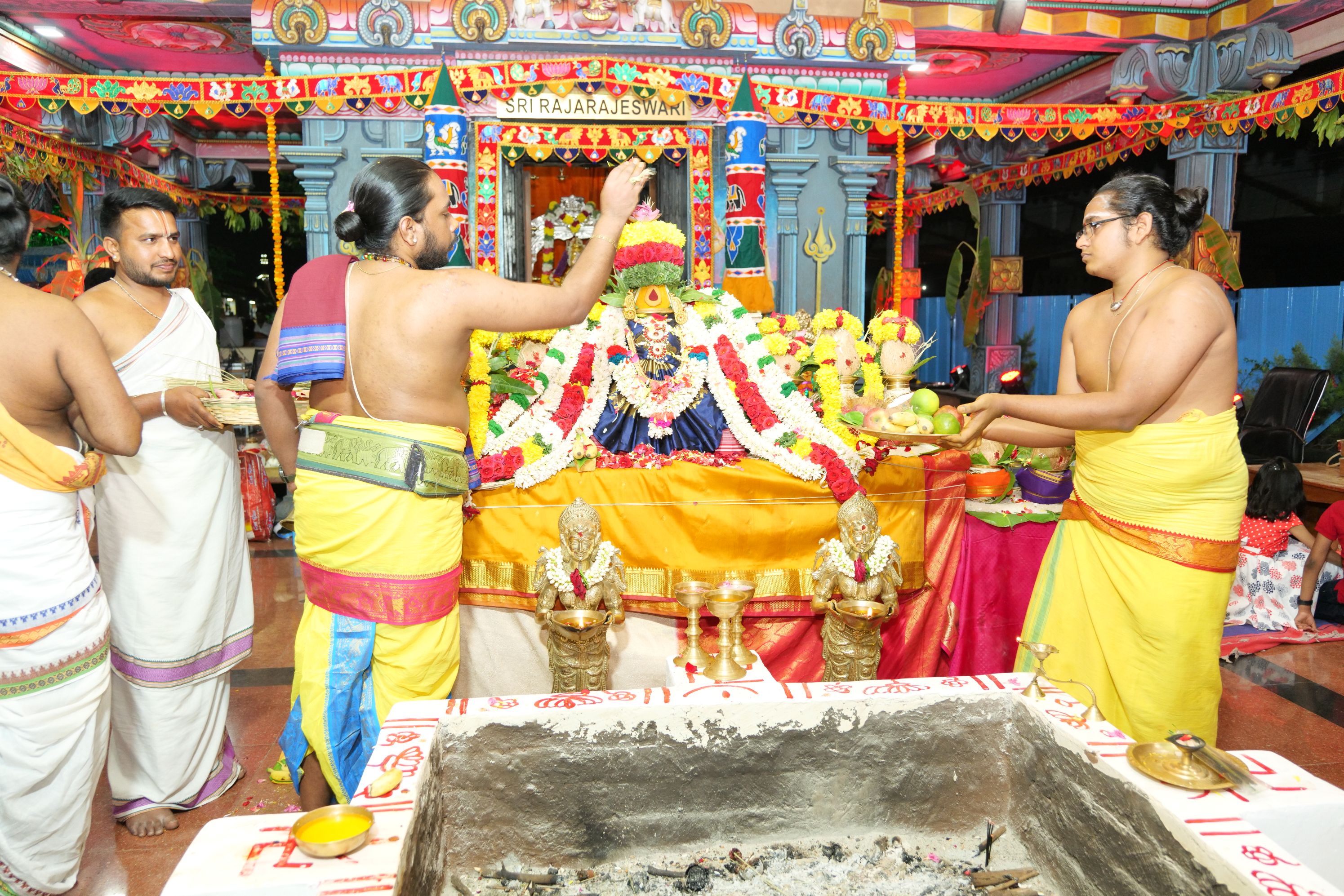
As every year, this year also the varushabhishekam was organized to the goddess Sree Rajarajeswari Devi at the temple located in the campus of RRMCH.
After 2 years of fraught with the pandemic, it was a bit ease for this year to celebrate the customary puja. Hence the varushabhishekam took place on a grand scale for continues 3 day from 17th March, 2022 to 19th March, 2022. This included all pujas like Ganapathi Homa, Vasthu Homa, Sudarshana Homa, Navagraha Homa, Lalita Sahasranama Parayana, Chandi Homa, Cow Puja with maha prasadam.
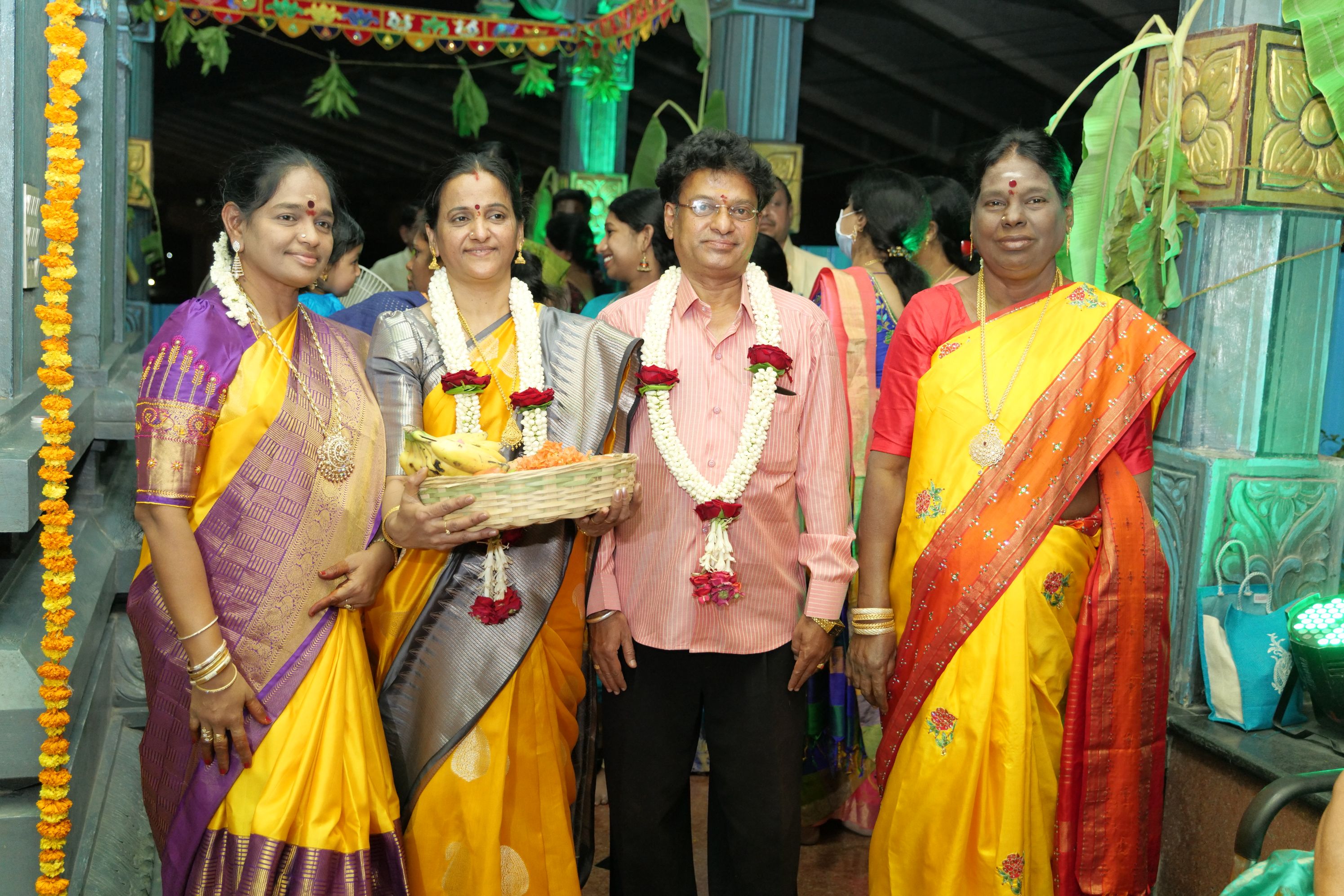
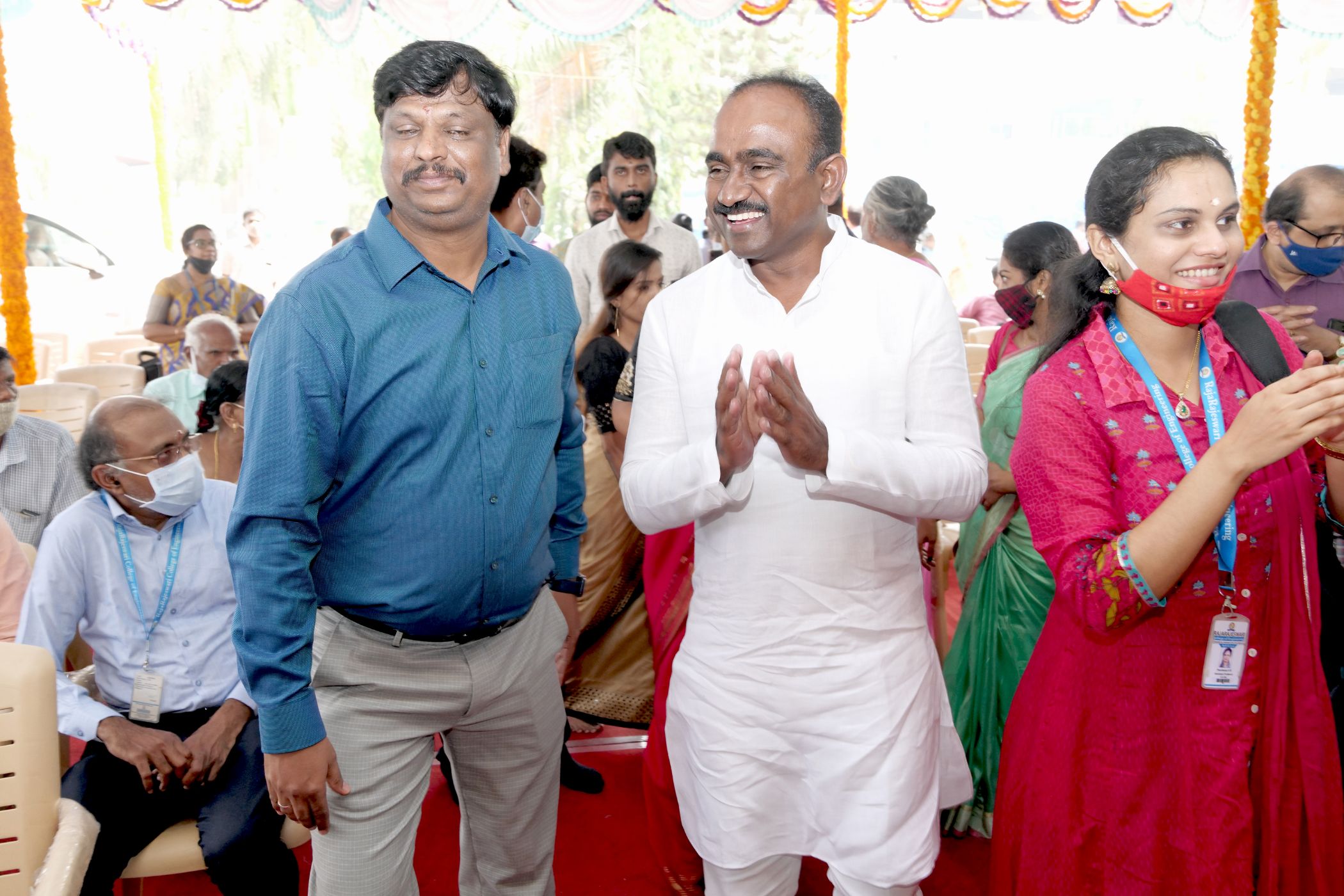
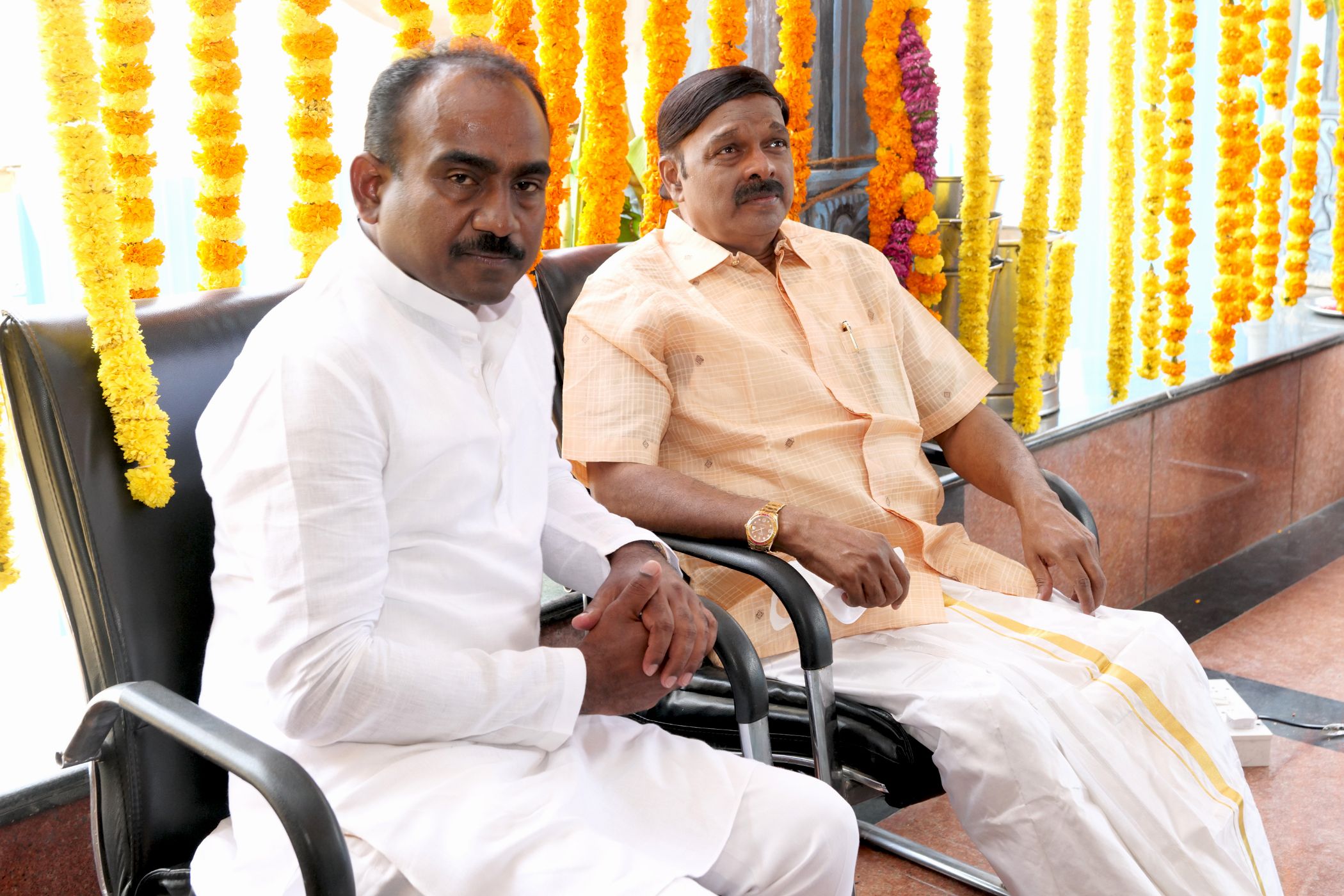
Dr. A C Shanmugam, Chairman, RRGI, Smt Lalitha Lakshmi, Trustee, MCET, all the Management and the staff from Rajarajeswari Group of Institution took part in this auspicious celebration with immense devotion.


















World Day for Water

World Forestry Day

International Day for the Elimination of Racial Discrimination
International Day of Happiness

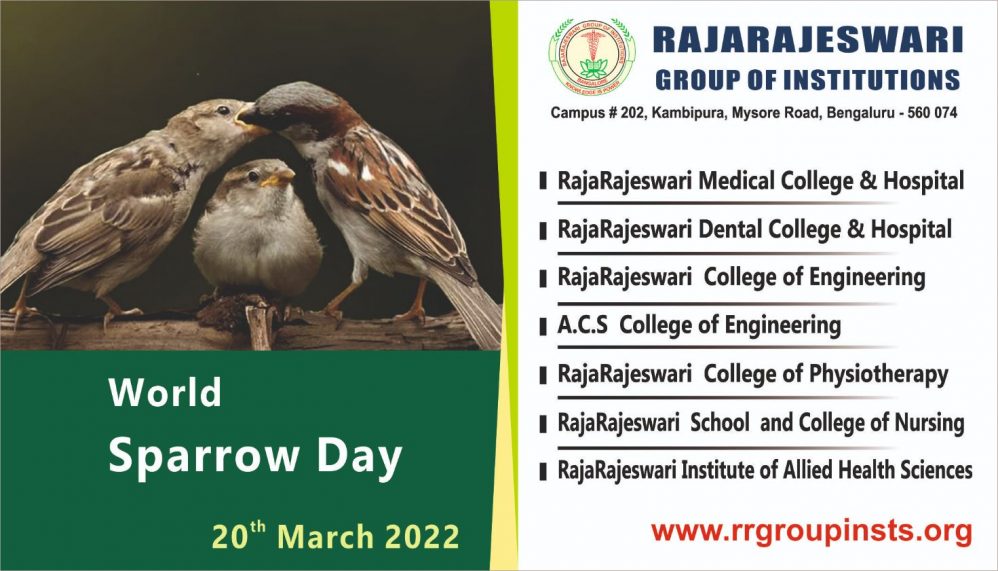
World Sparrow Day
Ordnance Factories Day
National Vaccination Day
World Consumer Rights Day

Women’s Day Celebration 2022
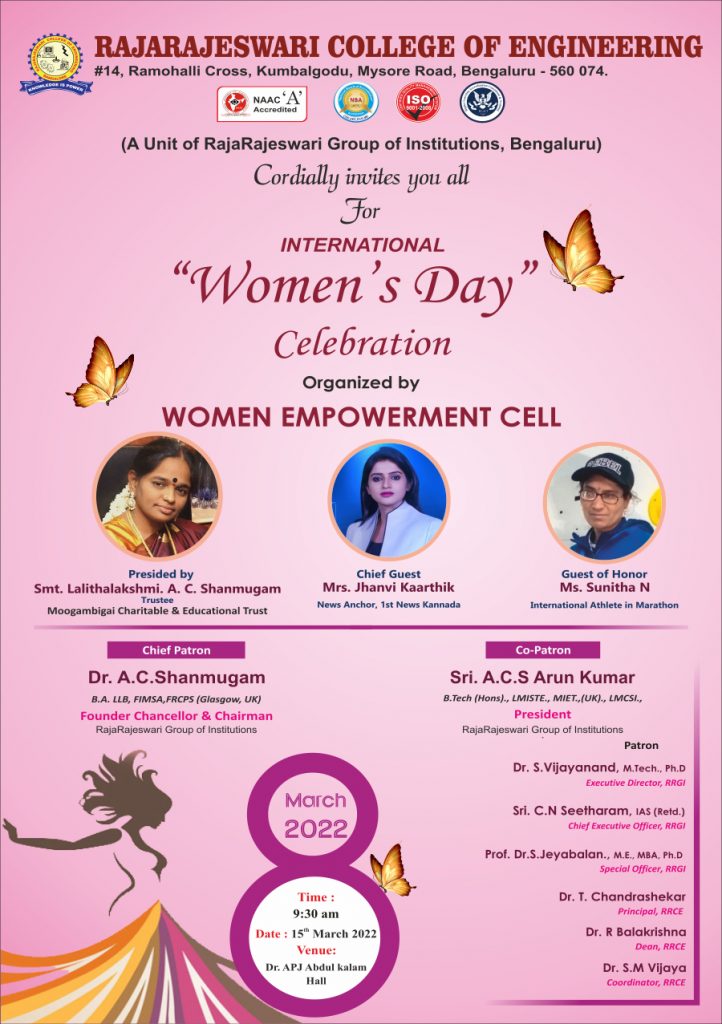
International Day of Action for Rivers
5 Days FDP on Counting Principles and its Applications
Date : 19th Dec. – 23rd Dec, 2016
No. of Participants : 07
- He has motivated for all the faculties to improve their efficiency in their academic related issues.
- He has guided all the faculties in such a way that how faculty has to interact with the students in the classroom.
- His research ideas and knowledge helped to the faculties in their research areas.
- Faculties have gained new techniques to tackle the slow learners in the classroom.
- Apart from the FDP, the resource person has taught Counting Principles and its Applications which is related to current trends in research work.
5 Days FDP on Numerical Method and its Applications
Date : 26.12.17 – 30.12.17
No. of Participants : 07
- He has motivated for all the faculties to improve their efficiency in their academic related issues.
- He has guided all the faculties in such a way that how faculty has to interact with the students in the classroom.
- His research ideas and knowledge helped to the faculties in their research areas.
- Faculties have gained new techniques to tackle the slow learners in the classroom.
- Apart from the FDP , the resource person has taught Differential Transform Method which is related to current trends in research work.
5 Days FDP on Statistical Methods and its Applications
Date : 16.07.18 – 20.07.18
No. of Participants : 07
- He has motivated for all the faculties to improve their efficiency in their academic related issues.
- He has guided all the faculties in such a way that how faculty has to interact with the students in the classroom.
- His research ideas and knowledge helped to the faculties in their research areas.
- Faculties have gained new techniques to tackle the slow learners in the classroom.
- Apart from the FDP, the resource person has taught Statistical Methods and its Application which is related to current trends in research work.
5 Days FDP on Sampling Theory and its Applications
Date : 17.12.18 – 21.12.18
No. of Participants : 07
- He has motivated for all the faculties to improve their efficiency in their academic related issues.
- He has guided all the faculties in such a way that how faculty has to interact with the students in the classroom.
- His research ideas and knowledge helped to the faculties in their research areas.
- Faculties have gained new techniques to tackle the slow learners in the classroom.
- Apart from the FDP, the resource person has taught Differential Transform Method which is related to current trends in research work.
5 Days FDP on Differential Transform Method and its Application
Date : 22.07.19 – 26.07.19
No. of Participants : 07
- He has motivated for all the faculties to improve their efficiency in their academic related issues.
- He has guided all the faculties in such a way that how faculty has to interact with the students in the classroom.
- His research ideas and knowledge helped to the faculties in their research areas.
- Faculties have gained new techniques to tackle the slow learners in the classroom.
- Apart from the FDP, the resource person has taught Differential Transform Method and its Application which is related to current trends in research work.
5 Days FDP on Applications of Partial Differential Equations
Date : 23.12.19 – 28.12.19
No. of Participants : 07
- He has motivated for all the faculties to improve their efficiency in their academic related issues.
- He has guided all the faculties in such a way that how faculty has to interact with the students in the classroom.
- His research ideas and knowledge helped to the faculties in their research areas.
- Faculties have gained new techniques to tackle the slow learners in the classroom.
- Apart from the FDP, the resource person has taught Applications of Partial Differential Equations which is related to current trends in research work.
5 Days FDP on Discrete Mathematical Structure
Date : 20.07.20 – 24.07.20
No. of Participants : 06
Report :
- He has motivated for all the faculties to improve their efficiency in their academic related issues.
- He has guided all the faculties in such a way that how faculty has to interact with the students in the classroom.
- His research ideas and knowledge helped to the faculties in their research areas.
- Faculties have gained new techniques to tackle the slow learners in the classroom.
- Apart from the FDP, the resource person has taught Discrete Mathematical Structure which is related to current trends in research work.
5 Days FDP on Numerical Method and its Applications
Date : 21.12.20 – 26.12.20
No. of Participants : 07
Report :
- He has motivated for all the faculties to improve their efficiency in their academic related issues.
- He has guided all the faculties in such a way that how faculty has to interact with the students in the classroom.
- His research ideas and knowledge helped to the faculties in their research areas.
- Faculties have gained new techniques to tackle the slow learners in the classroom.
- Apart from the FDP, the resource person has taught Numerical Method and its Applications which is related to current trends in research work.
5 Days FDP on Applications of Fourier series and Fourier Transform
Date : 04.07.16 – 08.07.16
No. of Participants : 08
Report :
- He has motivated for all the faculties to improve their efficiency in their academic related issues.
- He has guided all the faculties in such a way that how faculty has to interact with the students in the classroom.
- His research ideas and knowledge helped to the faculties in their research areas.
- Faculties have gained new techniques to tackle the slow learners in the classroom.
- Apart from the FDP, the resource person has taught Applications of Fourier Series and Fourier Transform which is related to current trends in research work.
Guest Lecture on “Robotics in Factory Automation”.
Guest Lecture on “Robotics in Factory Automation”.
2. Resource Person: Mr. Muthukrishnan G.
Universal Tech Automation
No-401, Green Springs Apartments,
Saravanampatti, Coimbatore, Tamil Nadu-641035, India.
3. Date of the Programme: Tuesday, 20th June 2023.
More details: Guest Lecture on “Robotics in Factory Automation”
International Women’s Day 2022
Electronic Circuits – Lab Experiments
Resource Person : Dr. Rangaiah L, Professor, ECE Dept. RRCE
Mr. Sripathi V., Associate Professor, ECE Dept., RRCE
Date : 23rd & 24th September 2016
Venue : Analog Electronic circuits Lab, Dept. of ECE
Number of Participants : 9
Outcome of the Program :
- Participants had learnt about how to design the analog circuits
- Each non-teaching faculty learnt about how to simulate the analog circuits using Multi sim software
- Participants had gained the knowledge on installation of Multi sim software.
5 Days Workshop on LaTex for Professionals
Resource Person: Dr. R Gangadhar Reddy,Assoc. Prof.Dept. of ECE, RRCE
Date: 22 to 26 March 2021
Venue: Seminar Hall, Dept of ECE
Number of Participants: 33
Workshop objective: Students, faculty, and researchers often need to write a technical document. LaTex is a high-quality typesetting system; it includes features designed for the production of technical and scientific documentation. It is the de facto standard for the communication and publication of scientific documents.
The broad objectives of the course are:
1. To understand LaTex, a document preparation system for high-quality typesetting.
2. To understand features of LaTex.
3. To have hands on experience to become a user of LaTex
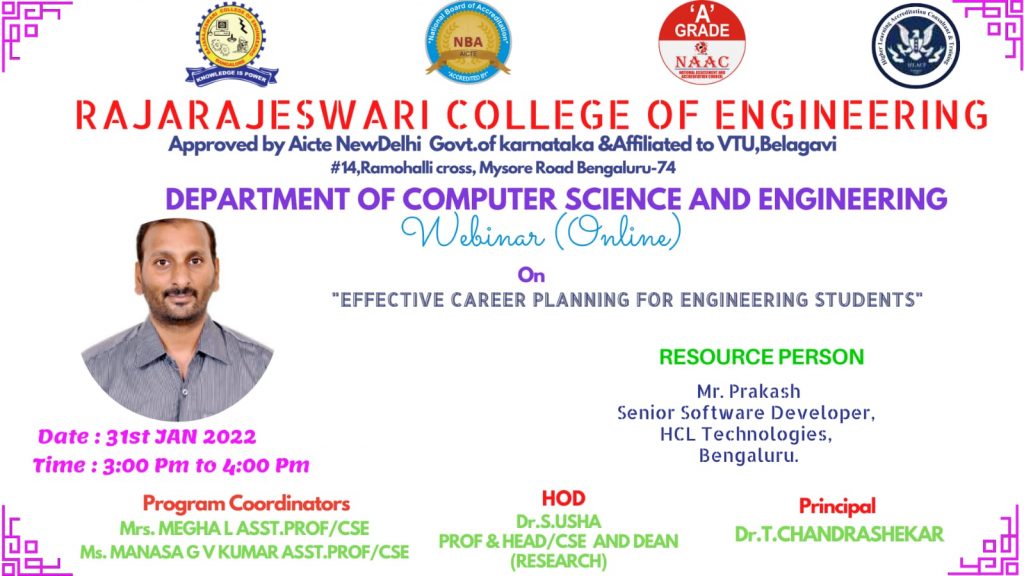
Effective Career Planning For Engineering Students
Resource Person : Mr. Prakash, Senior Software Developer, HCL Technologies, Bengaluru.
Date : 31st January 2022
Time : 3.00 PM to 4.00 PM
Organizer : Dr. S Usha, Dean Research, HOD (CSE)
Faculty Co-odinators : Mrs. Megha L Asst. Prof. , Ms. Manasa G V Kumar Asst. Prof..
Target Participants : 3rd Semester and 5th Semester CSE students.
Topics covered :
- Higher Education
- Public Sector Jobs
- Hierarchy of Educational Institutions in India
Writing a Research Proposals for Funding Agencies
Resource Person : Dr. T Sheela, Professor & Head-IT , Dean(Networking), Sri Sai Ram Engineering College, Chennai.
Date : 25th February 2022
Time : 1.30 PM to 3.30 PM
Organizer : Dr. S Usha, Dean Research, HOD (CSE)
Faculty Co-odinators : Dr. M Selvi Assoc. Prof. , Dr. T Kamal Raj Assoc. Prof.
Target Participants : Teaching faculties all branches
Topics covered :
- How to write research proposals
- Funding Agencies
- Sample Case Study

Advanced Communication Lab Experiments
Resource Person : Mr. Ravi Kumar T, Technilab Pvt. Ltd. Bangalore
Dr. Bhuvaneswari P, Associate Professor, ECE Dept., RRCE
Date : 02nd & 03rd June 2021
Venue : Communication Lab, Dept. of ECE
Number of Participants : 10
Outcome of the Program :
- Participants came to know how to determine the characteristics and response of microwave waveguide, microstrip antennas and devices and compute the parameters associated with it.
- Participants came to know how to design and test the digital and analog modulation circuits and display the waveforms and simulate the digital modulation systems and compare the error performance of basic digital modulation schemes.
- Participants leant about the characteristics of optical fiber and the various losses
Two Days Hands on Workshop On Python Programming
Resource Person : Mr. Mohammed Yasin, Director,X-Ciencia Technologies India Pvt Ltd , Bangalore
Date : 28th & 29th September 2018
Venue : Dr. Satyendranath Bose seminar Hall, RRCE, Bengaluru
Number of Participants : 21
Target Participants : Faculty and students
Outcome of the Program :
The participants gained knowledge on
- Introduction and Presentation about Basic Python
- Learning about Python Interpreter
- Develop and test programs on python Interpreter
- Advanced Concepts of Python
- GUI programming
- How to connect to API
- Testing and development of programs
- How to do Python based projects
5 Days FDP on IOT – An Enabling Wireless Sensor Network
Date of FDP: 10th to 14th May 2021
Venue: Seminar Hall, Dept of ECE
FDP objective: An IoT (Internet of Things) Wireless Sensor Network (WSN) refers to a group of spatially dispersed and dedicated sensors for monitoring, and recording the physical conditions of the environment, and collectively pass on such data through a wireless network to a internet-based location. WSNs measures the environmental conditions like temperature, sound, pollution levels, humidity, wind speed and direction, pressure, etc.
This FDP gives the knowledge on recent advancements in the field of wireless sensor networks with IoT.
Total number of Participants : 24
FDP Outcomes :
- 24 faculty members of different disciplines have registered and taken benefit
- Participants have gained the knowledge on writing a good technical//research paper.
- Participants have sufficient knowledge about different topics in wireless sensor network
- Sessions on patentable research guided the participants to recognized and work towards patentable research.
- Awareness on different skill, tools and methodologies have helped the participants to further their research
5 Days FDP on Tool and Die Engineering
On Day 1 FDP started with inaugural function at 9:30am followed by 1st session on Fundamentals of Tool Design was delivered by Mr. Pundarikaksha and in the 2nd session, Dr. Shankara Reddy gave a talk on Principles of metal cutting tools.
On Day 2 technical talk on Elements of Jigs and Fixture Design (Part – 1) was by Mr. Ram Prakash Holla, Managing Director, Distinct Productivity solutions Pvt. Ltd. Which was followed by the second session on the same topic with part 2 details. Afternoon session was on Introduction to press working tools by Mr. Devanand, Senior Lecturer, GTTC.
On Day 3 was an Industrial visit to GTTC and NTTF on 23rd Jan 2020.
On day 4 Talk on Selection of dies for bending forming and drawing by Prof. Pramod V Koujalagi followed by Tools for inspection and gauging by Mr. Gibson M, Principal, NTTF. In the afternoon session, General consideration of tool design by Prof. Pramod V Koujalagi.
On Day 5 Mrs. G S Kalpana Controller of Exam, NTTF delivered talk on Effect of Machinability and cutting fluids on tool life followed by valedictory function
|
Sl. No. |
Topic |
Resource Person |
Date & Time |
|
Inauguration and Welcome 9:00 to 10:15 |
|||
|
1 |
Fundamentals of tool design |
Mr. Pundarikaksha Principal, GTTC |
21st Jan 2020 10:30 to 12:30 |
|
2 |
Principles of metal cutting tools |
Dr. Shankara Reddy Prof. Dept. mech. Engg. RRCE |
21st Jan 2020 2:00 to 4:00 |
|
3 |
Elements of Jigs and Fixture design (Part – 1) |
Mr. Ram Prakash Holla Managing Director Distinct Productivity solutions Pvt. Ltd. |
22nd Jan 2020 9:30 to 11:00 |
|
4 |
Elements of Jigs and Fixture design (Part – 2) |
Mr. Ram Prakash Holla Managing Director Distinct Productivity solutions Pvt. Ltd. |
22nd Jan 2020 11:30 to 1:00 |
|
5 |
Introduction to press working tools |
Mr. Devanand Senior Lecturer, GTTC |
22nd Jan 2020 2:00 to 4:00 |
|
Industrial visit to GTTC and NTTF on 23rd |
|||
|
7 |
Selection of dies for bending forming and drawing |
Prof. Pramod V Koujalagi Associate Professor, Dept. of Mech. Engg., RRCE |
24th Jan 2020 9:30 to 11:00 |
|
8 |
Tools for inspection and gauging |
Mr. Gibson M Principal, NTTF |
24th Jan 2020 11:30 to 1:00 |
|
9 |
General consideration of tool design |
Prof. Pramod V Koujalagi Associate Professor, Dept. of Mech. Engg., RRCE |
24th Jan 2020 2:00 to 4:00 |
|
10 |
Effect of Machinability and cutting fluids on tool life |
Mrs. G S Kalpana Controller of Exam, NTTF |
25th Jan 2020 10:00 to 12:45 |
|
Valedictory and feedback session 2:00 to 3:30 |
|||
On-line Student Induction Programme
The Program was inaugurated on23/11/2020 at 9AMby lighting the lamp headed by Management, Principal, Deans, and First year coordinator, All Department HODs, first year students and Parents.
Morning session 8:30 to 12:45
Introduction to College, Addressed by Principal, regarding Vision & Mission, Objectives and VTU Regulations Academic, Examination and Inauguration of I year classes.
Afternoon Session 1:30 to 4; 30
Orientation in the respective Departments, Registration of courses, Departmental virtual tour-HOD office, Faculty Lounge, Class rooms, Labs Etc. Familiarizing the College infrastructure and central facilities such as Principal office, Accounts section, Bank and ATM, Exam Section, Library, Computer facilities, Sports, Hostel, Placement, Student Welfare office, R&D Centers, EDC, NSS, Cultural Club, Sick room and Canteen.
The Objective of the program was to make the students feel comfortable in their new environment, open them up, set a healthy daily routine, create bonding in the batch as well as between faculty and students, develop awareness, sensitivity and understanding of the self, people around them, society at large and nature.
PROGRAM OBJECTIVES
- Lead a successful career, by designing, analyzing and solving various problems in the field of Engineering.
- Pursue higher studies for enduring edification.
- Exhibit professional and team building attitude along with effective communication.
- Identify and provide solutions for sustainable environmental development.
PROGRAM OUTCOMES
- Engineering knowledge
- Problem analysis
- Design/development of solutions
- Individual and team work
- conduct investigations of complex problems
- Communication Skill
- Modern tool usage Project management and finance
- The engineer and society Life-long learning
|
Sl no |
Activity |
Guest/Resource Person |
Date |
Time schedule |
|
1 |
Inauguration of first year BE classes |
Principal,RRCE |
23/12/20 |
10:00 am to 10:30am |
|
2 |
Physical health related activity |
Dr. Vidhusha RRMCH Community Medicine Dept. |
23/12/20 |
10:30 am to 12:00 pm |
|
3 |
Creative practices |
Prof. Nandini, EEE and Team |
23/12/20 |
02:00 pm to 03:30Pm |
|
4 |
Lecture by eminent Persons |
Srinath Rathnakumar Scientist, ISRO |
24/12/20 |
10:30 am to 11:30 pm |
|
5 |
Carrier and opportunity in defense (Navy wing) |
Ravi Karan, Commanding officer, Navy wing |
24/12/20 |
11:30am to 12:30pm |
|
6 |
Extracurricular activity |
Prof. ThanujKumar and Team |
24/12/20 |
02:00 am to 03:30 pm |
|
7 |
Awareness of COVID -19 and SOP to Be followed |
Dr. Vivek, Pulmonary Medicine Dept. |
26/12/20 |
10.30 am to 12:00 pm |
|
8 |
Language proficiency Modules |
Prof. Chandru B.V (Kannada) |
26/12/20 |
12:00 am to 12:30 pm |
|
9 |
Role of students in Engg Education |
Prof. Karthikeyan. M,ME dept |
26/12/20 |
2:00 am to 03:30 pm |
|
10 |
Universal human values |
Dr. Bhuvanaeshwari , ECE Dept |
28/12/20 |
10:00 am to 11:00 pm |
|
Role of Engineers as Innovators in Building Self-Reliant |
Dr G. Vinoth M.S. Ph.D (USA) CEO & Start up Designer Pongu Ventures, Chennai. |
28/12/20 |
11:00 am to 12:30 pm |
|
|
Universal human values |
Dr. Satheesha.V ,ME Dept |
28/12/20 |
2:00 pm to 3:00 pm |
|
|
11 |
Familiarization of departments / Branch and innovation |
HOD- ECE Dept |
29/12/20 |
10:15 am to 11:00 pm |
|
Campus to Corporate Placement orientation & Preparation |
Dr S. Raja Singh ME, MBA Ph.D Deputy Director MCC Boys |
29/12/20 |
11:00 am to 12:00pm |
|
|
Familiarization of departments / Branch and innovation |
HOD- AI & ML Dept. |
29/12/20 |
12:00 Pm to 12:30 pm |
|
|
HOD- ME Dept. |
29/12/20 |
02:00 pm to 02:20pm |
||
|
HOD- CSE Dept |
29/12/20 |
02:20am to 02:35 pm |
||
|
HOD –CIVIL Dept. |
29/12/20 |
02:35 pm to 03:05 pm |
||
|
HOD –EEE Dept. |
29/12/20 |
03:05 pm to 03:20pm |
||
|
HOD- ISE Dept. |
29/12/20 |
03:20 pm to 03:40pm |
5 Days FDP on Mechatronics and MEMS
On Day 1 FDP started with inaugural function at 9:30am followed by 1st session from Dr. A R K Swamy delivered a talk on Introduction to Mechatronics Engineering in Automation and in the 2nd session he delivered a talk on Fundamentals of Micro controllers and Applications
On Day 2 Prof. Prof. Sripathi delivered a talk on Basics of PLC and ladder diagram and applications. He further handled afternoon session on Applications of micro controllers with Practical performance and simulation (hands on experience). Hands on experience were quite interesting.
On Day 3, Prof. Suhas GTTC, Bluru delivered a talk on Introduction to programming language of PLC in the first session followed by Automation using pneumatic system and introduction to fluidics by Prof. Pramod V Koujalagi. Post lunch session was on MEMS &Micro Fabrication processby Prof. Thanuj Kumar M.
On Day 4 was exclusive industrial visit to Sansara Engineers Pvt. Ltd.
On Day 5 Dr. Raju delivered a talk on Electrochemical Machining and applications of MEMS which was followed by valedictory function and certificate distribution.
|
Sl. No. |
Topic |
Resource Person |
Date & Time |
|
Inauguration and Welcome 9:00 to 10:15 |
|||
|
1 |
Introduction to Mechatronics Engineering in Automation |
Dr. A R K Swamy Prof. & Head, Mechatronics Dept., Acharya IT |
17th Dec 2019 11:00 to 1:00 |
|
2 |
Fundamentals of Microcontrollers and Applications |
Dr. A R K Swamy Prof. & Head, Mechatronics Dept., Acharya IT |
17th Dec 2019 2:00 to 3:30 |
|
3 |
Basics of PLC and ladder diagram and applications |
Prof. Sripathi, Associate Profesor, Dept. of ECE, RRCE |
18th Dec 2019 9:30 to 11:00 |
|
4 |
Applications of microcontrollers with Practical |
Dr. Ramgaiah Prof. & Head, Dept. of ECE, RRCE |
18th Dec 2019 11:30 to 1:00 |
|
5 |
Applications of microcontrollers with Practical |
Dr. Ramgaiah Prof. & Head, Dept. of ECE, RRCE |
18th Dec 2019 2:00 to 4:00 |
|
6 |
Introduction to programming language of PLC |
Prof. Suhas GTTC, Bluru |
19th Dec 2019 9:30 to 11:00 |
|
7 |
Automation using pneumatic system and introduction to |
Prof. Pramod V Koujalagi Associate Professor, Mech. Engg. RRCE |
19th Dec 2019 11:30 to 1:00 |
|
8 |
MEMS &Micro Fabrication process |
Prof. Thanuj Kumar M Associate Professor, Mech. Engg. RRCE |
19th Dec 2019 2:00 to 4:00 |
|
|
|||
|
10 |
Electrochemical Machining and applications of MEMS |
Dr. Raju Professor, Dr. AIT |
21st Dec 2019 9:30 to 12:30 |
|
Valedictory and feedback session 2:00 to 3:30 |
|||
5 Days FDP on Recent Advances in Engineering Materials
On day 1 FDP started with inaugural function at 9:30am followed by 1stsession from Dr. Ramachandra delivered a talk on Introduction to Smart Materials. 2nd session was by Dr. R Shankara Reddy deliverd a talk on Science of Materials.
On day 2 Prof. Shivalingaiah L delivered a talk on Advanced Surface Treatment of Materials. Dr. Ajith Spoke at length on Fabrication of Advance Engineering Materials. Post lunch session was on the topic Material Characterization by Dr. Jobish John.
On day 3 Dr. Ajith delivered a talk on surface engineering in the first session followed by composite materials by Dr. R Shankara Reddy. Post lunch session was on Polymer Nano Composites by Dr. Jobish John.
On Day 4 was exclusive industrial visit to MEMS division in IISc (Tata institute). A very brief introduction to MEMS by Dr. Rudhrapratap was an eye opening session.
On Day 5Dr. Prithviraj R D delivered a talk on hybrid materials which was followed by valedictory function and certificate distribution.
|
Sl. No. |
Topic |
Resource Person |
Date & Time |
|
|
|
||||
|
1 |
Introduction to Smart Materials |
Dr. A. Ramachandra, Retd. Principal, Ghousia College of Enggeing |
27th Nov 2018 10:45 to 12:45 |
|
|
2 |
Science of Materials |
Dr. R Shankara Reddy Prof. RRCE, Bluru |
27th Nov 2018 2:00 to 3:30 |
|
|
3 |
Advanced Surface Treatment of Materials |
Prof. Shivalingiah L Assistant Professor, RRCE, Bluru |
28th Nov 2018 9:30 to 11:00 |
|
|
4 |
Fabrication of Advance Engineering Materials |
Dr. Ajith, Professor, BIT, Bengaluru |
28th Nov 2018 11:30 to 1:00 |
|
|
5 |
Material Characterization |
Dr. Jobish John Associate Professor, Dept. of Physics, RRCE |
28th Nov 2018 2:00 to 3:30 |
|
|
6 |
Surface Engineering |
Dr. Ajith Prasad S L Professor, PESCE, Mandya |
29th Nov 2018 9:30 to 11:00 |
|
|
7 |
Composite Materials |
Dr. R Shankara Reddy Prof. RRCE, Bluru |
29th Nov 2018 11:30 to 1:00 |
|
|
8 |
Polymer Nano Composites |
Dr. Jobish John Associate Professor, Dept. of Physics, RRCE |
29th Nov 2018 2:00 to 3:30 |
|
|
|
||||
|
10 |
Hybrid Materials |
Dr. Prithviraj R D Associate Professor, Dept. of Chemistry |
01st Dec 2018 10:00 to 12:30 |
|
|
Valedictory and feedback session 2:30 to 3:30 |
||||
5 Days FDP on Design of Machine Elements
On day 1 Mrs. N L Shanthala explained about Fundamentals of Mechanical Engineering Design.
On day 2 Dr. Vivek Bhandarkar V N highlighted Factors influencing machine design followed by ,afternoon session handled by Prof. Nithesh Bhaskar N who emphasized Principle stresses for various load combinations.
On day 3 Prof. Sanketh S elaborated Principle stresses for various load combinations & Design of solid and hollow shafts & Couplings.
On day 4 Design of temporary and permanent joints was highlighted in the morning session by Prof . Vishwanath B. R and sanketh
On day 5 Prof . K. M. Kiran Kumar and Prof Ranganath explained about Design of threaded fasteners and power screws and design of bearings and the FDP was ended with valedictory function.
|
Sl. No. |
Topic |
Resourse Person |
Date & Time |
|
|
Inauguration and Welcome 9:00 to 10:15 |
||||
|
1 |
|
Mrs. N L Shanthala Assistant professor. BIT,Banlgore . |
18th Dec 2017 10:30 to 12:30 |
|
|
2 |
|
Mrs. N L Shanthala Assistant professor. BIT,Banlgore . |
18th Dec 2017 2:00 to 3:30 |
|
|
3 |
Factors influencing machine design |
Dr. VivekBhandarkar V N Assistant professor. DSCE,Banlgore |
19th Dec 2017 9:30 to 11:00 |
|
|
4 |
Principle stresses for various load combinations. |
Prof. NitheshBhaskar N. Assistant professor. DSCE,Banlgore |
19th Dec 2017 1:30 to 4:00 |
|
|
5 |
Principle stresses for various load combinations |
Prof. SANKETH S Assistant professor DBIT, Banglore. |
20th Dec 2017 9:30 to 12:30 |
|
|
6 |
Design of solid and hollow shafts & Couplings |
Prof. SANKETH S Assistant professor DBIT, Banglore. |
20th Dec 2017 2:30 to 3:30 |
|
|
7 |
Design of solid and hollow shafts & Couplings |
Prof. SANKETH S Assistant professor DBIT, Banglore. |
21th Dec 201 10:00 to 12:30 |
|
|
8 |
Design of temporary and permanent joints. |
Prof . Vishwanath B. R Assistant professor DBIT, Banglore. |
21st Dec 2017 2:00 to 03:45 |
|
|
9 |
Design of threaded fasteners and power screws. |
Prof . K. M. Kiran Kumar Assistant professor DBIT, Banglore |
22nd Dec 2017 9:00 to 12:00 |
|
|
10 |
Bearing design |
Prof. Ranganatha S. R. Assistant professor DBIT, Banglore |
22nd Dec 2017 1.30: to 2:30 |
|
|
Valedictory and feedback session 2:30 to 3:30 |
||||
5 Days FDP on Industrial Automation and Robot Technology
On day 1 Mr. Umesh highlighted the essence of automated technology in manufacturing system to achieve the best possible planning and control in a manufacturing environment. Mr. Parasuraman stressed the efficiency of automated transportation, reducing or eliminating the need for human to check in, check out, sort material or to move the work part to different location.
On day 2 Mr. Bhat emphasized the use of computer technology to aid in the process planning of a part or product in manufacturing. Described PPC a link between CAD – CAM. Mr. Rajanna highlighted the difference between inspection and quality control, where inspection is a way or method of maintaining the quality of the object, while quality control is a term involving inspection at various stages of production. Also discussed that MRP as a computer-based inventory mgmt. system will help to improve productivity of business.
On day 3 Dr. H V Ravindra, explained FMS as a production method which will easily adopt to any changes in product design in production system. With CNC machine tools configured to manufacture a variety of change in product design and also the level of production.Mr. Chakraraj Udupa described robot technology as interdisciplinary sector of science and engineering that give robots their potential to use in various sectors of manufacturing like material handling, assembly, inspection and processing.
On day 4 industrial visit to Britannia Industries Ltd.Bangalore who are in to manufacturing biscuits of different variety.
On day 5 Mr. Chakraraj Udupa and Prof. Pramod V K highlighted sensors as key component of a robot. Based on the field of application, specific sensors are used. While the use of pneumatic and hydraulic system in automated technology helps in electronically controlled fluid power system.
|
Sl. No. |
Topic |
Resource Person |
Date & Time |
|
|
Inauguration and Welcome 9:00 to 10:15 |
||||
|
1 |
Automation in Production Systems |
Ms. Umesh Namdeo Manager, Britannia Industries Ltd. |
21st June 2017 10:30 to 12:30 |
|
|
2 |
Automated Material Handling Systems |
Mr. Parasuraman Business Development Engineer, Axis Global Institute of Industrial Training, |
21st June 2017 2:00 to 3:30 |
|
|
3 |
Computerized Planning and Control Systems |
Mr. Bhat Manager, FouressEngg. (I) Pvt. Ltd. |
22ndJune 2017 9:30 to 11:00 |
|
|
4 |
Inspection and Quality Control in Automated Systems. |
Mr. Rajanna Operations – Manager, Mondelez India foods private limited. |
22nd June 2017 11:30 to 1:00 |
|
|
5 |
Productivity through Material Requirement Planning |
Mr. Rajanna Operations – Manager, Mondelez India foods private limited. |
22ndJune 2017 2:00 to 3:30 |
|
|
6 |
Flexible Manufacturing System |
Dr. H V Ravindra, HoD-PESCE, Mandya. |
23rdJune 2017 9:30 to 11:00 |
|
|
7 |
Understanding Machining Centers in Manufacturing. |
Dr. H V Ravindra, HoD-PESCE, Mandya. |
23rd June 2017 11:30 to 1:00 |
|
|
8 |
Robot Technology |
Mr. Chakraraj Udupa Head, Future Robotics & Automation |
23rd June 2017 2:00 to 3:30 |
|
|
9 |
|
|||
|
10 |
Sensors in Robotics |
Mr. Chakraraj Udupa Head, Future Robotics & Automation |
25th June 2017 9:30 to 11:00 |
|
|
11 |
Industrial Application of Hydraulic and Pneumatics. |
Prof. Pramod V K Assoc. Prof, RRCE. |
25th June 2017 11:30 to 1:00 |
|
|
|
||||
5 Days FDP on Advances in Future Manufacturing Trends
On day 1 Mrs. Prathima Holla highlighted new technologies that have made more accessible to manufacturers. Automation for all is the next step in the industry. Dr.R Shankara Reddy addressed the supply chain operation effectively as it reduces costs, while delivery products to the customers when they want it, how they want it.
On day 2 Dr. K N Umesh emphasized robots in the industry as primary drives of the manufacturing trend,the robot technology is making automation attainable for all companies. The use of sensors and cloud connectivity powered by the internet. IoT is propelling the advancement in industries. Companies are improving safety, cost, stream line manufacturing with IOT capabilities was addressed by Dr. Usha S.
On day 3 Dr. Pavan highlighted ERP technology in manufacturing technology which was available for many years . But with availability of cloud based option, ERP helps manufacturing automate different areas of operation to make improvements and adjustments where needed. Mr. Holla highlighted importance of Industry 4.0- 4th industrial revolution which is widely adopted in manufacturing sectors.
On day 4 industrial visit to Distinct Productivity Solutions Bangalore who are in to manufacturing precision components for automotive sectors.
On day 5 Mr. Prashanth explained 3D printing using CAD software , manufacturers can now custom build parts and products one layer at a time for their customers . the FDP was ended with valedictory function.
|
Sl. No. |
Topic |
Resourse Person |
Date & Time |
|
|
Inauguration and Welcome 9:00 to 10:15 |
||||
|
1 |
Automation for manufacturing |
Ms. Prathima Holla Head Automation Devision Distinct Productivity solutions Pvt. Ltd. |
27th Dec 2016 10:30 to 12:30 |
|
|
2 |
Supply Chain Technology |
Dr. R. Shankara Reddy HoD – ME, RRCE |
27th Dec 2016 2:00 to 3:30 |
|
|
3 |
Mobile Robotics |
Dr. K. N. Umesh, Former HoD – Mech Engg, PESCE, Mandya |
28th Dec 2016 9:30 to 11:00 |
|
|
4 |
Internet of things (IOT) |
Dr. Usha Shakthival HoD- CSE, RRCE |
28th Dec 2016 11:30 to 1:00 |
|
|
5 |
Enterprise Resource Planning |
Dr. Pavan Kuamr HoD-MBA RRCE |
29th Dec 2016 9:30 to 11:00 |
|
|
6 |
Industry 4.0 |
Mr. Ram Prakash Holla MD, Distinct Productivity solutions Pvt. Ltd. |
29th Dec 2016 11:30 to 1:00 |
|
|
7 |
Artificial Intelligence and Machining Learning |
Prof. Rajech, Associate Professor CSE, RRCE |
29th Dec 2016 2:00 to 3:30 |
|
|
8 |
30th Dec 2016
|
|||
|
9 |
Additive Manufacturing |
Mr. Prashanth S K, Director Sales, Vyapti Technica Solutions |
31st Dec 2016 10:00 to 12:45 |
|
|
|
||||
3 Days SDP on Material Science
On day 1 Mr. Radhakrishna R K highlighted The foundation for understanding the structure and behavior of materials common in mechanical engineering. Material Science for all is the next step in the industry. Dr.R Shankara Reddy addressed the supply chain operation effectively as it reduces costs, while delivery products to the customers when they want it, how they want it.
On day 2 Mr. Radhakrishna R K Types of fatigue loading with examples, Mechanism of fatigue, fatigue properties, fatigue testing. Material Science trend, the is making Heat treatment: Annealing, normalizing, hardening and tempering of steel. for all companies. The use of sensors and cloud connectivity powered by the internet. is propelling the advancement in industries. Companies are improving safety, cost, stream line manufacturing with capabilities was addressed by Dr. C Ramesh
On day 3 To learn Composite materials – Definition, classification, types of matrix materials & reinforcements, Metal Matrix Composites (MMCs), Ceramic Matrix Composites (CMCs) and Polymer Matrix Composites (PMCs), Particulate-reinforced and fiber- reinforced composites, Fundamentals of production of composites, characterization of composites, constitutive relations of composites, determination of composite properties from component properties, hybrid composites. Applications of composite materials. Numerical on determining properties of composites
|
Sl. No. |
Topic |
Resource Person |
Date & Time |
|
|
|
||||
|
1 |
Introduction |
Prof. Dr. Shankara Reddy RRCE. |
06th Jan2020 10:30 to 12:30 |
|
|
2 |
Introduction to Crystal Structure |
6th Jan 2020 2:00 to 3:30 |
||
|
3 |
Alloys, Steels, Solidification& Hands on session |
7th Jan20209:30 to 12:30 |
||
|
4 |
Heat Treatment, Ferrous and Non-Ferrous Alloys& |
7th Jan 2020 2:00 to 3:30 |
||
|
5 |
Other Materials, Material Selection& Hands on |
8thJan 2020 9:30 to 12:30 |
||
|
|
||||
3 Days SDP on CIM & Automation
On day 1 Prof.Anand highlighted new technologies to impart knowledge of CIM and Automation and different concepts of automation by developing mathematical models. To make students to understand the Computer Applications in Design and Manufacturing CAM leading to Computer integrated systems. Enable them to perform various transformations of entities on display devices
On day 2 To learn CNC part programming using CAM packages. Simulation of Turning, Drilling, Milling operations. 3 typical simulations to be carried out using simulation packages like: Cad & CAM Lab-Pro, Master CAM. Program generation using software. Optimize spindle power, torque utilization, and cycle time. Generation and printing of shop documents like process and cycle time sheets, tool list, and tool layouts. Cut the part in single block and auto mode and measure the virtual part on screen. Post processing of CNC programs for standard CNC control systems like FANUC, SINUMERIC and MISTUBISHI.
On day 3 Robot programming: Using Teach Pendent & Offline programming to perform pick and place, stacking of objects. Pneumatics and Hydraulics, Electro-Pneumatics, typical experiments on Basics of these topics to be conducted.
|
Sl. No. |
Topic |
Resource Person |
Date & Time |
|
|
|
||||
|
1 |
Introduction |
Prof. Anand A Dept.of Mechanical.,RRCE. |
20th May2019 10:30 to 12:30 |
|
|
2 |
Manual CNC part programming& Hands on session |
20th may 2019 2:00 to 3:30 |
||
|
3 |
CNC part programming using CAM packages.& Hands on |
21st may 2019 9:30 to 12:30 |
||
|
4 |
FMS (Flexible Manufacturing System)& Hands on |
21st may 2019 2:00 to 3:30 |
||
|
5 |
Pneumatics and Hydraulics, Electro-Pneumatics& |
22nd may 2019 9:30 to 12:30 |
||
|
|
||||
3 Days SDP on Computer Aided Machine Drawing
On day 1 Prof.K S Madhu highlighted new technologies that have made to acquire the knowledge of CAD software and its features. To familiarize the students with Indian Standards on drawing practices. Review of graphic interface of the software. Review of basic sketching commands and navigational commands. Starting a new drawing sheet. Sheet sizes. Naming a drawing, Drawing units, grid and snap. Conversion of pictorial views into orthographic projections of simple machine parts.
On day 2 Conversion of pictorial views into orthographic projections of simple machine parts. Hidden line conventions. Precedence of lines. Conversion of pictorial views into orthographic projections of simple machine parts (with section planes indicated on the part). Thread Forms: Thread terminology, sectional views of threads
On day 3 preparation of assembly drawings manually and using Solid edge packages I.C. Engine connecting rod,Tool head of shaper and Leaver safety valve
|
Sl. No. |
Topic |
Resource Person |
Date & Time |
|
|
|
||||
|
1 |
Introduction |
Prof.K S Madhu Asst. Professor -ME, RRCE |
22nd Dec 2016 10:30 to 12:30 |
|
|
2 |
Sections of Solids& Hands on session |
22nd Dec 2016 2:00 to 3:30 |
||
|
3 |
Keys, Joints, Couplings& Hands on session |
23rd Dec 2016 9:30 to 11:30 |
||
|
4 |
Lever Safety Valve & Hands on session |
23rd Dec 2016 1:00 to 4:00 |
||
|
5 |
I.C. Engine connecting rod& Hands on session |
24th Dec 2016 9:30 to 12:00 |
||
|
6 |
Tool head of shaper& Hands on session |
24th Dec 2016 1:30 to 4:00 |
||
|
|
||||